9 Must-Haves for International Travel to Epic Hiking Trails
Picture this: you’ve spent months planning your dream thru-hike through the Slovenian Alps. Your boots are broken in, your pack is dialed, and your flights are booked. Then, three days before departure, you discover you needed an ETIAS authorization — and the border won’t let you through without it. 😬 That nightmare scenario is completely avoidable. Whether you’re tackling the Meraner Höhenweg in Italy, the Routeburn Track in New Zealand, or an Alpine crossing in Switzerland, knowing the 9 Must-Haves for International Travel to Epic Hiking Trails before you leave home is the difference between a trip of a lifetime and a very expensive lesson.

In 2026, international hiking travel has never been more exciting — or more complex. New digital border systems, eco-taxes, and authorization requirements are reshaping how adventurers prepare. This guide breaks down every essential you need to hit those trails with confidence.
Key Takeaways
- 🛂 New digital travel authorizations (ETIAS for Europe, ETA for the UK) are now mandatory for visa-exempt travelers and must be secured before departure.
- 🗺️ Trail-specific permits and passes vary dramatically by country — research your route’s requirements months in advance.
- 💶 Budget for new tourist taxes and fees introduced in 2026, including Iceland’s kilometre road tax and Tenerife’s Eco-Tax.
- 📱 Navigation apps differ by region — the tools that work on US trails may be useless on international routes.
- 🌍 Passport validity, language barriers, and emergency communication are non-negotiable safety priorities for any international hiker.
The Complete 9 Must-Haves for International Travel to Epic Hiking Trails
Getting ready for an international hiking adventure goes far beyond packing the right gear. From visa rules to navigation tech, here is a detailed look at each essential — numbered in the order you should tackle them.
1. Valid Passport With 6+ Months of Remaining Validity

Before anything else, check your passport. This sounds obvious, but it’s one of the most common reasons travelers get turned away at international borders.
Most European countries require at least six months of passport validity from your planned arrival date. If your passport expires in eight months and you’re hiking for three, you may still be denied entry depending on the country’s specific rules.
💡 “A passport that’s ‘almost expired’ is a passport that can ruin your trip. Renew early — processing times in 2026 can stretch to 8–10 weeks during peak season.”
Quick checklist:
- Check expiry date right now
- Renew at least 6 months before your travel date if needed
- Make two photocopies: leave one at home, carry one separately from your passport
- Store a digital photo of your passport in a secure cloud folder
2. ETIAS Authorization for European Destinations
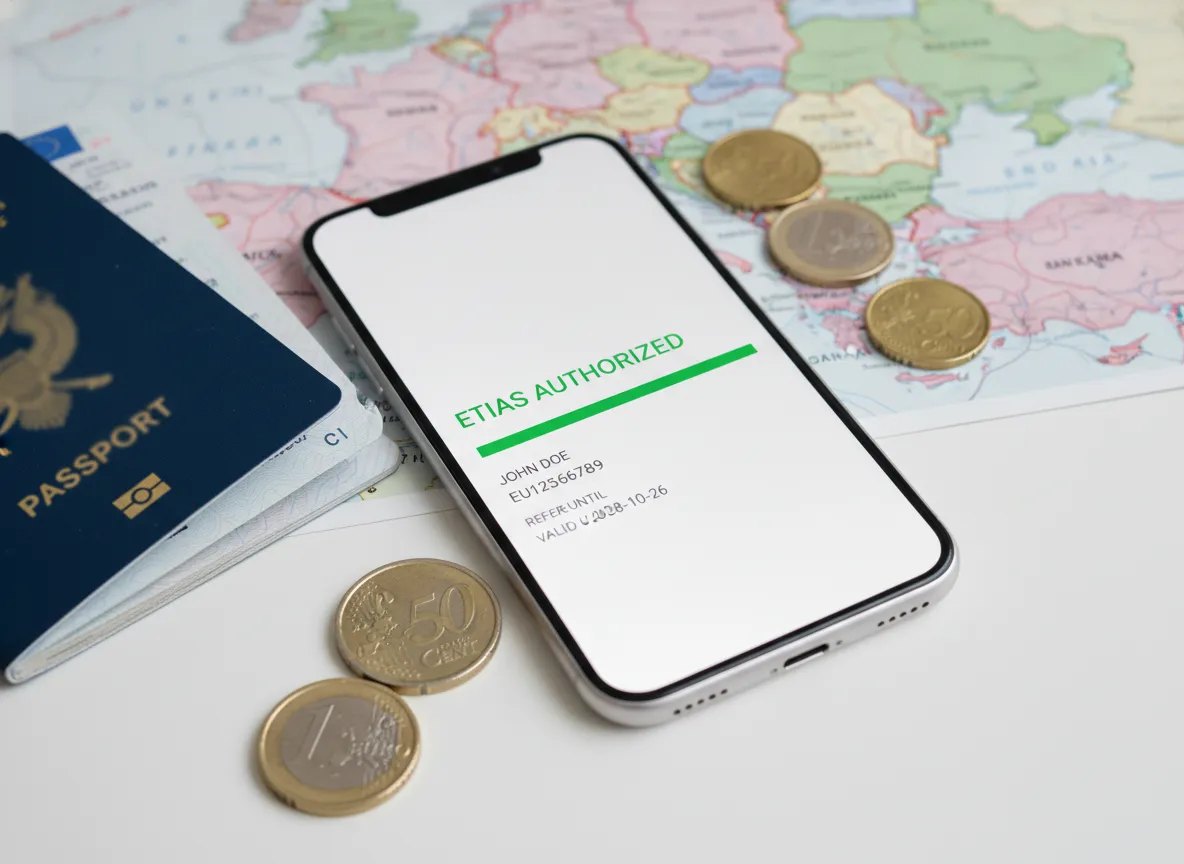
This is the big one for 2026. Starting in the last quarter of 2026, the European Travel Information and Authorisation System (ETIAS) becomes mandatory for visa-exempt travelers entering 30 European countries for short-term stays.
What is ETIAS?
ETIAS is a pre-travel screening system — similar to the US ESTA — that links your travel authorization to your passport electronically. It costs €20 and is valid for three years or until your passport expires, whichever comes first.
| Detail | Information |
|---|---|
| Cost | €20 |
| Validity | 3 years (or passport expiry) |
| Processing time | Usually minutes to days |
| Apply at least | 72 hours before travel |
| Countries covered | 30 Schengen + associated nations |
Who needs it? Citizens of visa-exempt countries — including the US, Canada, Australia, and the UK — who want to enter Schengen Area countries for tourism, including hiking.
Apply through the official ETIAS website or mobile app. The application is straightforward, but submit it at least 72 hours before your flight to allow for any manual review. For popular hiking seasons (June–September), apply weeks ahead.
3. UK Electronic Travel Authorisation (ETA)
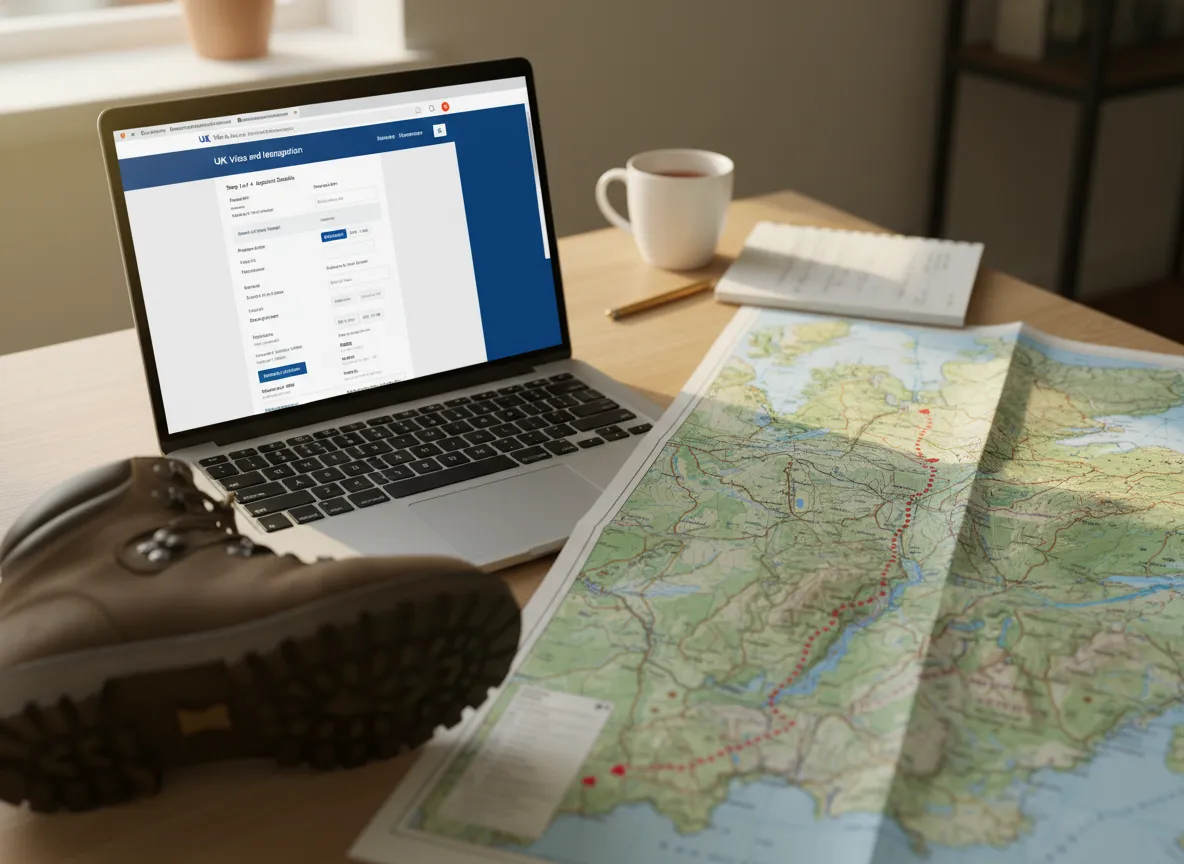
If your international hiking route includes the UK — think the West Highland Way in Scotland or Hadrian’s Wall Path in England — you’ll need a separate authorization.
As of February 2026, tourists from 85 visa-exempt countries must secure a UK Electronic Travel Authorisation (ETA) before arriving. This applies to stays of up to six months.
Key facts:
- Cost: £16 (approximately $19.84 USD)
- Validity: Linked to your passport, allows multiple trips
- Application: UK Visas and Immigration online portal or app
- Processing: Usually within three working days
⚠️ The UK is not part of the Schengen Area, so your ETIAS does NOT cover UK entry. These are two separate authorizations.
If you’re combining a Scottish Highlands hike with an Alpine traverse, you’ll need both. Budget for both fees and apply well in advance.
4. Understanding Schengen 90-Day Visa Rules for Thru-Hikers

Here’s a rule that catches long-distance hikers off guard: visa-exempt travelers can only spend 90 days within any 180-day period across the entire Schengen Area.
For a quick two-week hike through Slovenia or a month on the Tour du Mont Blanc, this isn’t an issue. But if you’re planning an extended thru-hike — say, walking from Portugal to Poland — you could easily hit that 90-day ceiling.
What happens if you exceed 90 days?
- You may be fined or banned from re-entry
- Future visa applications could be affected
- You may be detained at the border
Solutions for longer hikes:
- Apply for a long-stay visa (Type D) in the country where you’ll spend the most time
- Research each country’s specific long-stay visa requirements months in advance
- Consult the embassy of your primary destination country
The 90-day rule applies to the Schengen Zone as a whole — not per country. Spending 45 days in France and 45 days in Italy means you’ve used your full 90 days.
5. Trail-Specific Permits and Passes
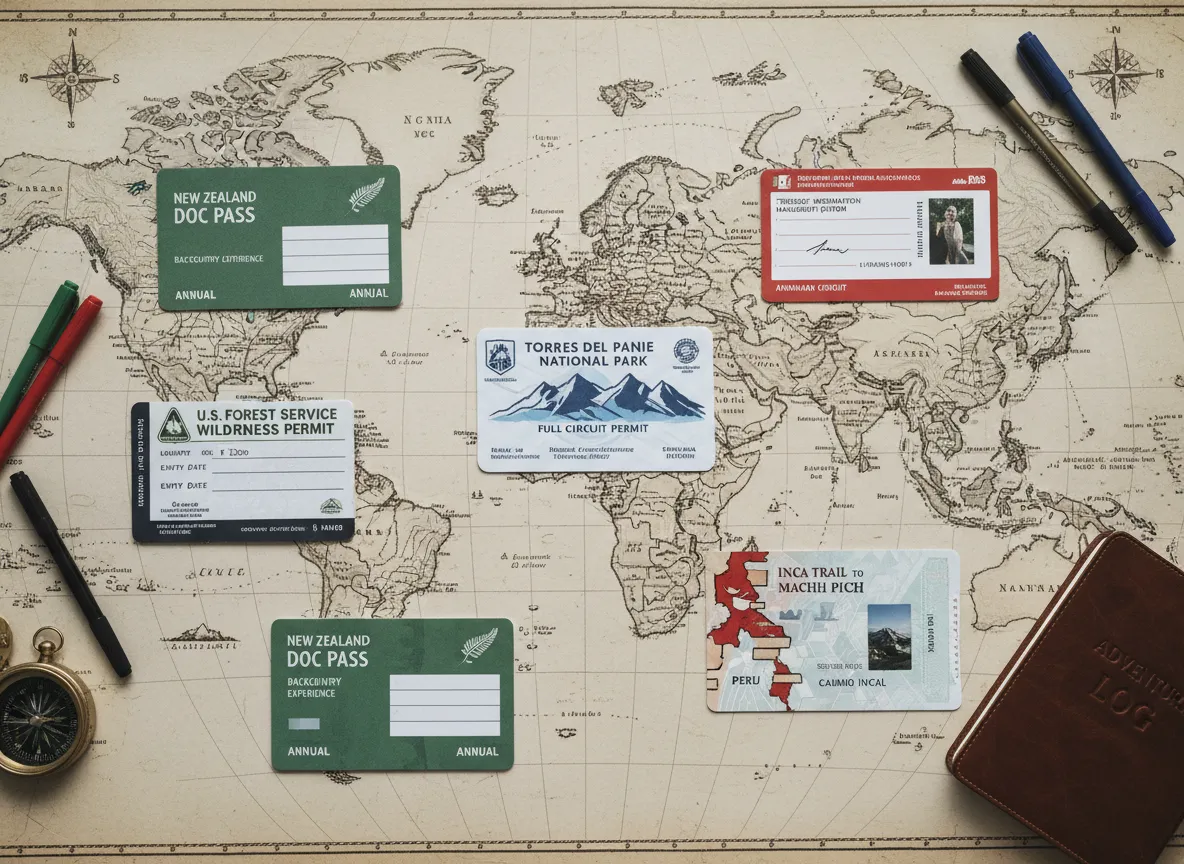
One of the most overlooked elements of the 9 Must-Haves for International Travel to Epic Hiking Trails is understanding that permit systems vary enormously from country to country.
Examples of trail permit requirements around the world:
| Country/Region | Permit Type | Notes |
|---|---|---|
| New Zealand | DOC Hut Pass | Required before arrival for hut network access |
| Patagonia, Chile | Torres del Paine permit | Trekking circuit permits sell out months ahead |
| Nepal | TIMS Card + National Park Permit | Required for Everest Base Camp, Annapurna, etc. |
| Peru | Inca Trail permit | Limited to 500 people/day; books out fast |
| USA (international context) | Wilderness permits | Required for many popular backcountry areas |
New Zealand is a great example of a well-organized system. The Department of Conservation (DOC) manages an extensive hut network across the country’s Great Walks and backcountry routes. You must purchase a DOC hut pass before arrival — not at the trailhead. Failing to do so means you’re either sleeping outside or paying full nightly rates on the spot.
🗝️ “Research your trail’s permit system at least six months out. The most iconic trails in the world sell out fastest — and refunds are rarely offered.”
Steps to take:
- Identify your specific trail and its managing authority
- Check the official government or park website for permit rules
- Note the booking window (some open exactly 6 months ahead)
- Set a calendar reminder and book the moment permits open
6. Eco-Taxes and Tourist Fees — New in 2026
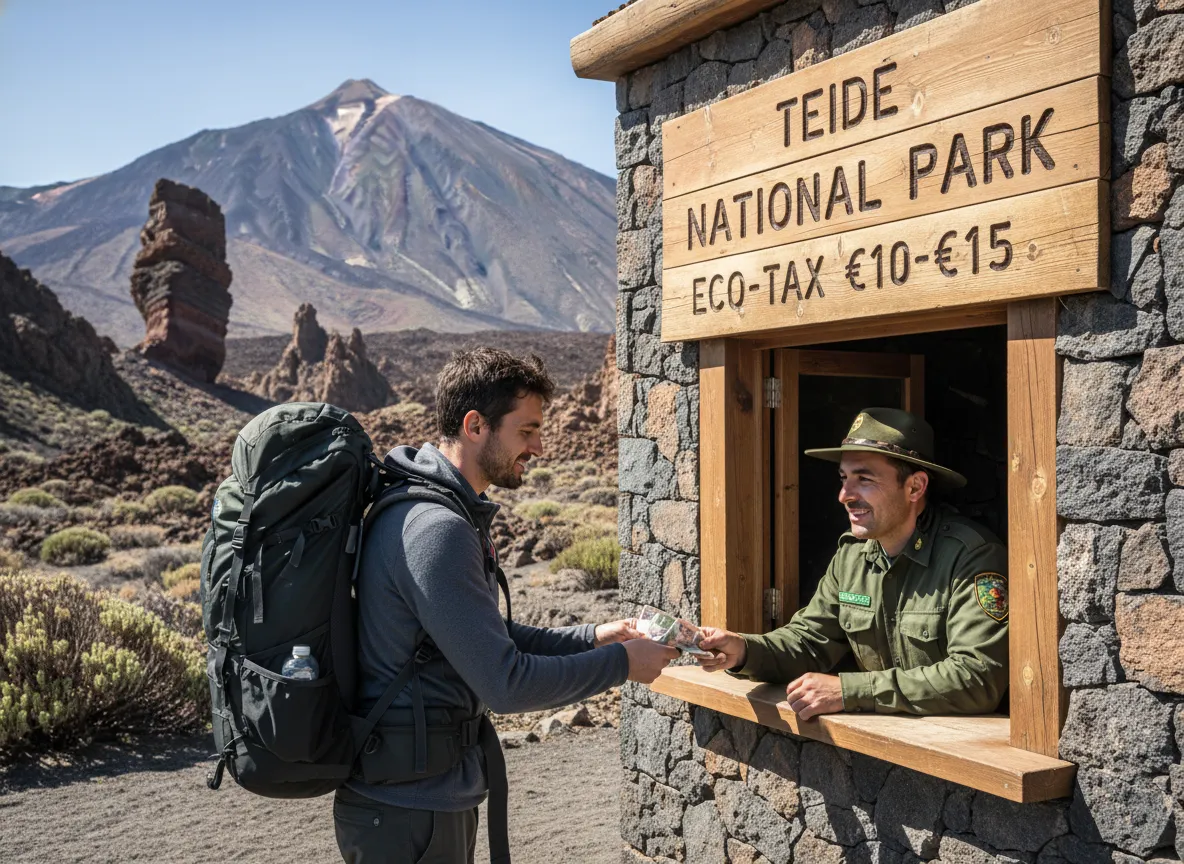
In 2026, several popular hiking destinations have introduced or expanded tourist fees specifically targeting high-traffic natural areas. These are not optional, and ignoring them can result in fines.
New and updated fees for 2026:
- 🌋 Tenerife Eco-Tax: €10–€15 per person to hike in Teide National Park, introduced January 2026. This fee supports conservation of one of Spain’s most visited natural landmarks.
- 🚗 Iceland Kilometre Road Tax: 6.95 ISK per kilometre driven, effective January 1, 2026. If you’re driving between trailheads in Iceland’s highlands — which most hikers do — this adds up quickly.
- 🏙️ City tourist taxes: Many European cities near popular hiking regions (Dubrovnik, Venice, Amsterdam) charge nightly accommodation taxes ranging from €1 to €10 per person.
How to budget for these fees:
Build a dedicated “entry fees” line item into your travel budget. Research every destination on your itinerary using official tourism board websites. For Iceland, calculate your expected driving distance and multiply by the per-km rate to estimate your road tax liability.
7. Region-Appropriate Navigation Tools and Apps

The navigation apps you rely on at home may be useless on an international trail. This is a safety issue, not just a convenience issue.
FarOut (formerly Guthook) is the gold standard for US long-distance trails like the PCT and AT. But coverage for international trails is limited or nonexistent in many regions.
Navigation options by region:
| Region | Recommended Tool |
|---|---|
| Europe (Alps, Dolomites) | Komoot, Maps.me, local national park apps |
| New Zealand | Topo50 maps (LINZ), DOC trail apps |
| South America | Wikiloc, paper topo maps |
| Nepal/Himalayas | Gaia GPS, Maps.me offline maps |
| General international | Gaia GPS (offline capable, global coverage) |
Critical steps before you leave:
- Download offline maps for your entire route — do not rely on cell coverage
- Carry a physical topographic map as a backup
- Learn to use a compass (seriously)
- Test your navigation setup at home before your trip
📱 “Verify which navigation technology works on your chosen route before you leave. An app that shows ‘no data’ at 3,000 meters is worse than no app at all.”
8. Emergency Communication and Travel Insurance
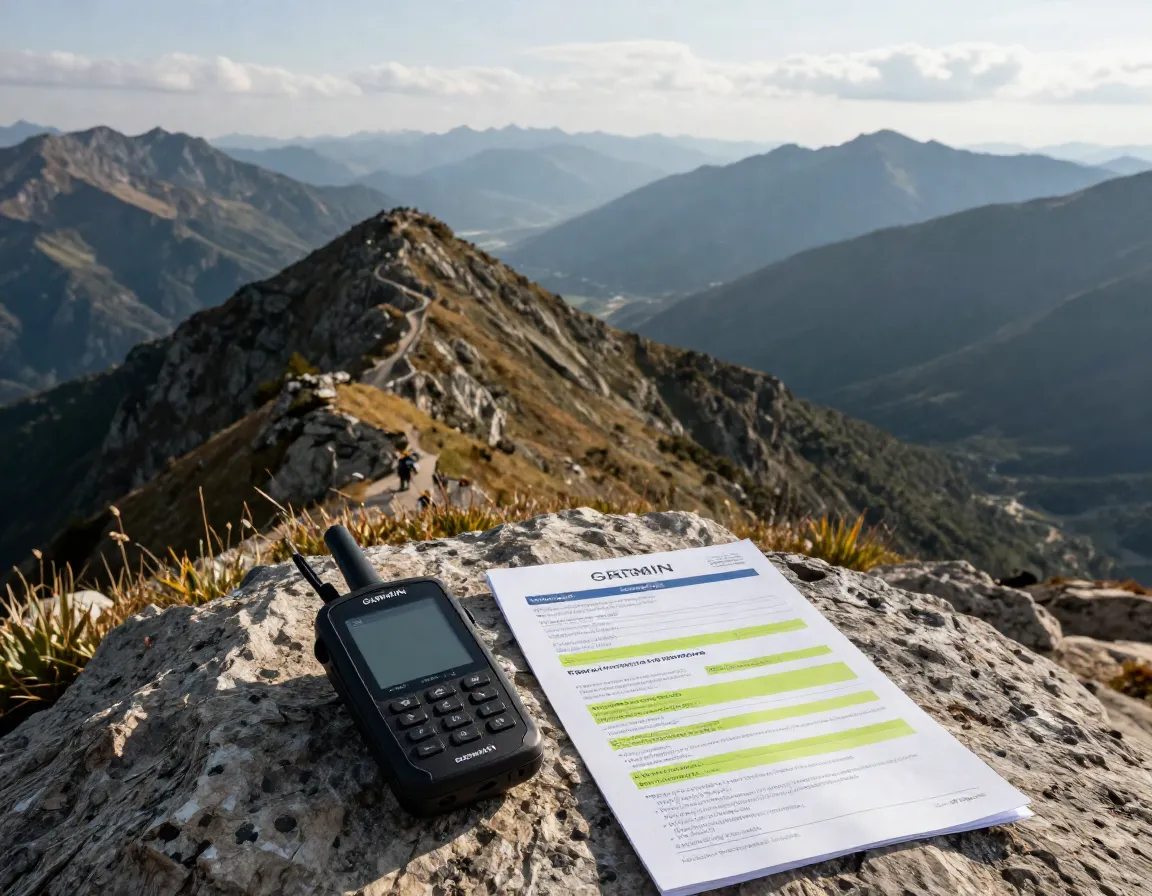
International hiking trails often pass through remote areas where cell coverage is nonexistent. A twisted ankle on a trail in Slovenia or a sudden storm on a New Zealand ridge is a very different emergency than the same situation close to home.
Emergency communication essentials:
- Satellite communicator (Garmin inReach, SPOT, or Zoleo): Allows two-way messaging and SOS signaling anywhere on Earth
- Local emergency numbers: Research and save the emergency services number for each country you’ll hike in (it’s not always 911)
- Trip registration: Many countries have voluntary or mandatory trail registration systems — use them
Travel insurance — non-negotiable:
Standard travel insurance often does NOT cover mountain rescue, helicopter evacuation, or high-altitude trekking. You need a policy specifically designed for adventure travel.
Look for coverage that includes:
- Emergency medical evacuation (aim for $500,000+ coverage)
- Search and rescue costs
- Trip cancellation for weather events
- Gear theft or damage
| Insurance Provider | Adventure Coverage | Evacuation Limit |
|---|---|---|
| World Nomads | ✅ Yes | Up to $300,000 |
| Battleface | ✅ Yes | Varies by plan |
| IMG Global | ✅ Yes | Up to $500,000 |
Always read the fine print. Some policies exclude hiking above a certain altitude or require specific safety equipment.
9. Language Prep, Cultural Awareness, and Bailout Planning

The final — and often most underestimated — element of the 9 Must-Haves for International Travel to Epic Hiking Trails is being prepared for the human side of international adventure.
Language barriers can be genuinely dangerous in remote areas. If you need to communicate an emergency, describe symptoms to a doctor, or ask a local farmer for water, even basic phrases in the local language matter enormously.
Practical language prep:
- Learn 20–30 key phrases in the local language (emergency, water, help, injured, trail)
- Download Google Translate offline language packs before departure
- Carry a small phrasebook as a backup
Cultural awareness matters too. Trail etiquette, land ownership rules, and attitudes toward camping vary significantly between countries. In some regions, wild camping is legal and encouraged. In others, it’s illegal and can result in fines or conflict with local communities.
Bailout planning — your safety net:
Every international hiking itinerary needs clearly defined bailout points. These are locations along the trail where you can safely exit if weather, injury, or other emergencies arise.
🚨 “Know your bailout options before you need them. Researching escape routes from a hospital bed in a foreign country is not the time to start.”
Bailout planning checklist:
- Mark bailout points on your map before departure
- Research transport options (bus, taxi, rideshare) from each bailout point
- Know the nearest hospital or medical clinic to each section of your route
- Share your full itinerary — including bailout points — with someone at home
Trending International Hiking Destinations for 2026
If you’re still deciding where to go, here are the top destinations generating buzz in the hiking community this year:
- Slovenia — Affordable, stunning, and increasingly accessible with new trail infrastructure
- Madeira, Portugal — Levada walks through laurel forest with dramatic coastal scenery
- Meraner Höhenweg, Italy — A classic Alpine circuit with incredible views of the Ötztal Alps
- Alpine Crossings (Switzerland/Austria) — Multi-day hut-to-hut routes through some of Europe’s most dramatic terrain
- Iceland — The Laugavegur Trail remains iconic, though the new kilometre road tax affects driving logistics
Each of these destinations requires different combinations of the nine essentials covered above. Slovenia and Italy require ETIAS (from Q4 2026). Iceland has the new road tax. Madeira (as a Portuguese territory) falls under Schengen rules.
Quick-Reference Checklist: 9 Must-Haves for International Travel to Epic Hiking Trails
Use this checklist before every international hiking trip:
- ✅ Passport valid for 6+ months beyond arrival date
- ✅ ETIAS authorization applied for (if traveling to Europe from Q4 2026)
- ✅ UK ETA secured (if hiking in the United Kingdom)
- ✅ Schengen 90-day rule reviewed and long-stay visa obtained if needed
- ✅ Trail permits and hut passes booked well in advance
- ✅ Eco-taxes and tourist fees researched and budgeted
- ✅ Navigation apps downloaded with offline maps for full route
- ✅ Satellite communicator packed and adventure travel insurance purchased
- ✅ Basic language prep completed and bailout points mapped
Conclusion
The world’s greatest hiking trails are waiting — and in 2026, reaching them requires more preparation than ever before. But that preparation is entirely manageable when you know what to expect.
The 9 Must-Haves for International Travel to Epic Hiking Trails covered in this guide aren’t just bureaucratic checkboxes. They’re the foundation of a safe, legal, and deeply rewarding adventure. A valid passport with enough runway, the right digital authorizations, trail-specific permits, a solid navigation setup, and a real emergency plan — these are what separate travelers who thrive on international trails from those who struggle.
Your actionable next steps:
- Today: Check your passport expiry date and renew if needed
- This week: Research the specific entry requirements for your target country in 2026
- This month: Book trail permits (they sell out fast), apply for ETIAS or UK ETA if applicable, and purchase adventure travel insurance
- Before departure: Download offline maps, register your trip with local authorities, and brief your emergency contact on your full itinerary
The trails are epic. The preparation is worth it. Go get after it. 🏔️
References
- The Trek. (2024). International thru-hiking: What you need to know before you go. The Trek.
- European Commission. (2024). ETIAS — European Travel Information and Authorisation System. European Commission.
- UK Visas and Immigration. (2024). UK Electronic Travel Authorisation (ETA). GOV.UK.
- Schengen Visa Info. (2024). ETIAS application guide and Schengen entry requirements. SchengenVisaInfo.com.
- Outdoor Enthusiast Network. (2024). Top international hiking destinations for the coming season. Outdoor Enthusiast Network.
- European Union. (2023). Schengen Area: Rules for short-stay visas and the 90/180-day rule. EUR-Lex.
- Home Office, UK Government. (2024). Electronic Travel Authorisation: Policy statement and implementation timeline. GOV.UK.