9 Key Regions on a Costa Rica Map for Hikers and Campers
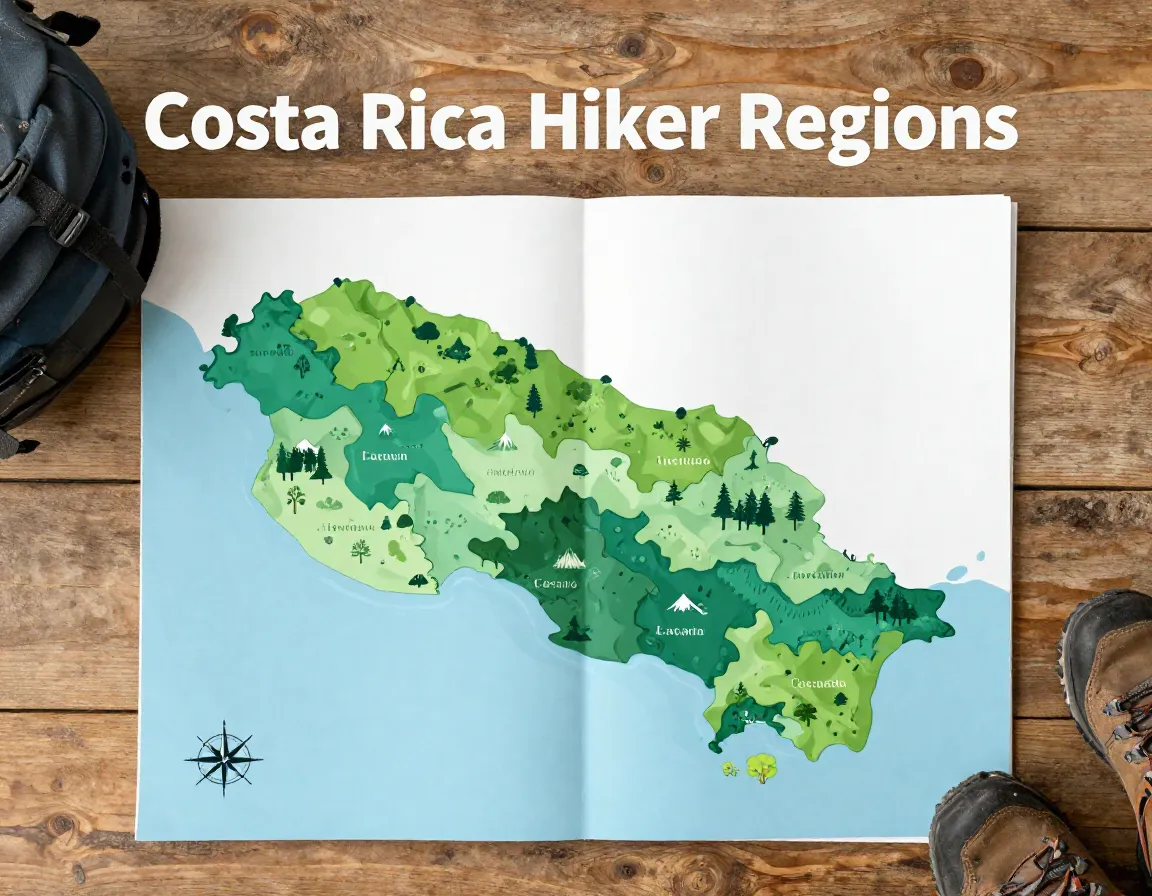
Imagine standing on a summit so high you can see two oceans at once — that is the kind of reward Costa Rica offers adventurous travelers. Whether you are planning your first backpacking trip or your tenth, understanding the 9 Key Regions on a Costa Rica Map for Hikers and Campers is the single most important step you can take before you lace up your boots. This small Central American country packs an extraordinary range of ecosystems — active volcanoes, cloud forests, mangroves, and wild Pacific beaches — into a space smaller than West Virginia. In 2026, it remains one of the world’s top destinations for outdoor adventure.
Key Takeaways
- 🗺️ Costa Rica’s diverse geography means each region offers a completely different hiking and camping experience.
- 🏕️ Camping inside national parks is not universally allowed — only a handful of parks have designated campsites.
- 🥾 Difficulty levels range from family-friendly strolls in Manuel Antonio to multi-day summit treks on Cerro Chirripó.
- 📅 Advance booking is essential for high-demand parks like Corcovado and Chirripó.
- 🌧️ The dry season (December–April) offers the best conditions for most regions, though some parks reward year-round visits.
Why Mapping Your Route Matters Before You Go
Costa Rica has 30 national parks, 19 wildlife refuges, and dozens of protected zones. Without a clear plan, it is easy to miss the best trails or show up at a park that does not allow overnight camping. The regions covered in the 9 Key Regions on a Costa Rica Map for Hikers and Campers guide below are chosen for their trail quality, camping access, wildlife diversity, and overall adventure value.
💡 Pro Tip: Always check the SINAC (National System of Conservation Areas) website before your trip. Permits, fees, and availability change regularly.
The 9 Key Regions on a Costa Rica Map for Hikers and Campers
1. Santa Rosa National Park — Guanacaste Region
Best for: Multi-day camping, surfing side trips, dry forest hiking
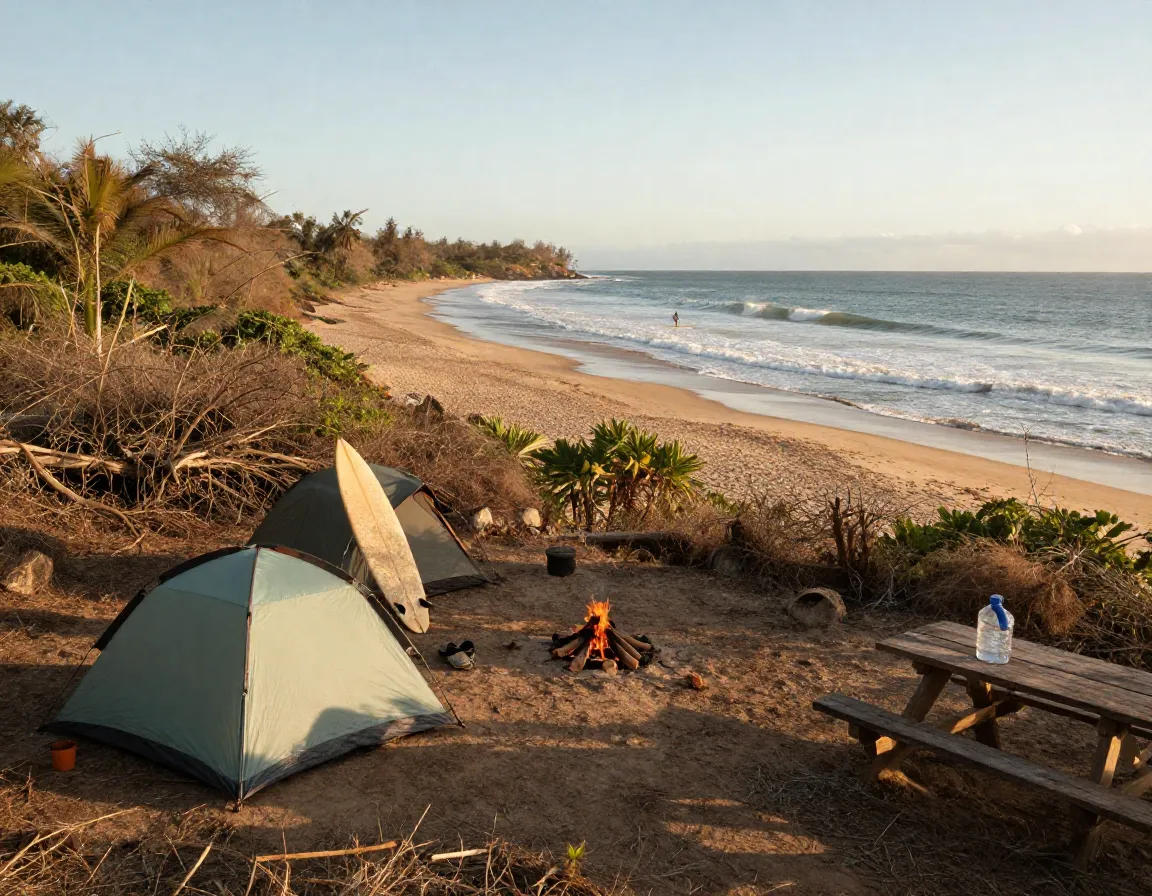
Santa Rosa is widely considered the champion of national park camping in Costa Rica [1]. It offers multiple campground options, including one near the ranger station at La Casona and another near Playa Naranjo, which is a favorite among surfers [1]. The adjacent Bahía Junquillal National Wildlife Refuge adds beach camping with tables, fire pits, and potable water — a rare combination in Costa Rican parks [1].
| Feature | Details |
|---|---|
| Camping | ✅ Yes — designated sites |
| Trail Difficulty | Moderate |
| Best Season | December–April |
| Nearest Town | Liberia |
2. Rincón de la Vieja National Park — Guanacaste Highlands
Best for: Geothermal landscapes, waterfall hikes, family adventures
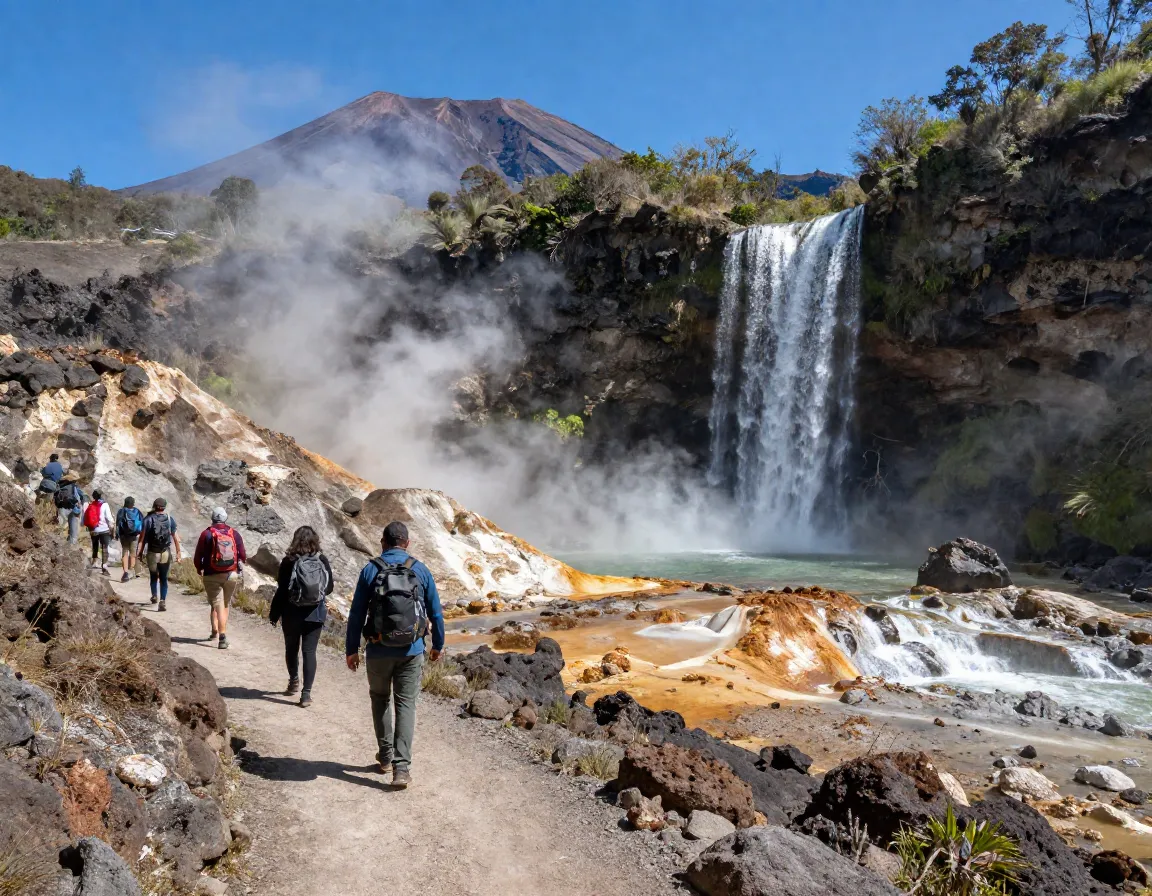
This volcanic park is one of the most geologically dramatic spots in the country. The Santa Maria Station has a beautifully renovated camping area (updated in 2019) that is among the nicest in any Costa Rican park [1]. A three-hour guided trek to La Cangreja waterfall takes you past bubbling mud pools and steaming fumaroles, with optional canopy tours available [3].
3. Arenal Volcano National Park — Northern Lowlands
Best for: Volcano views, cloud forest trails, year-round hiking
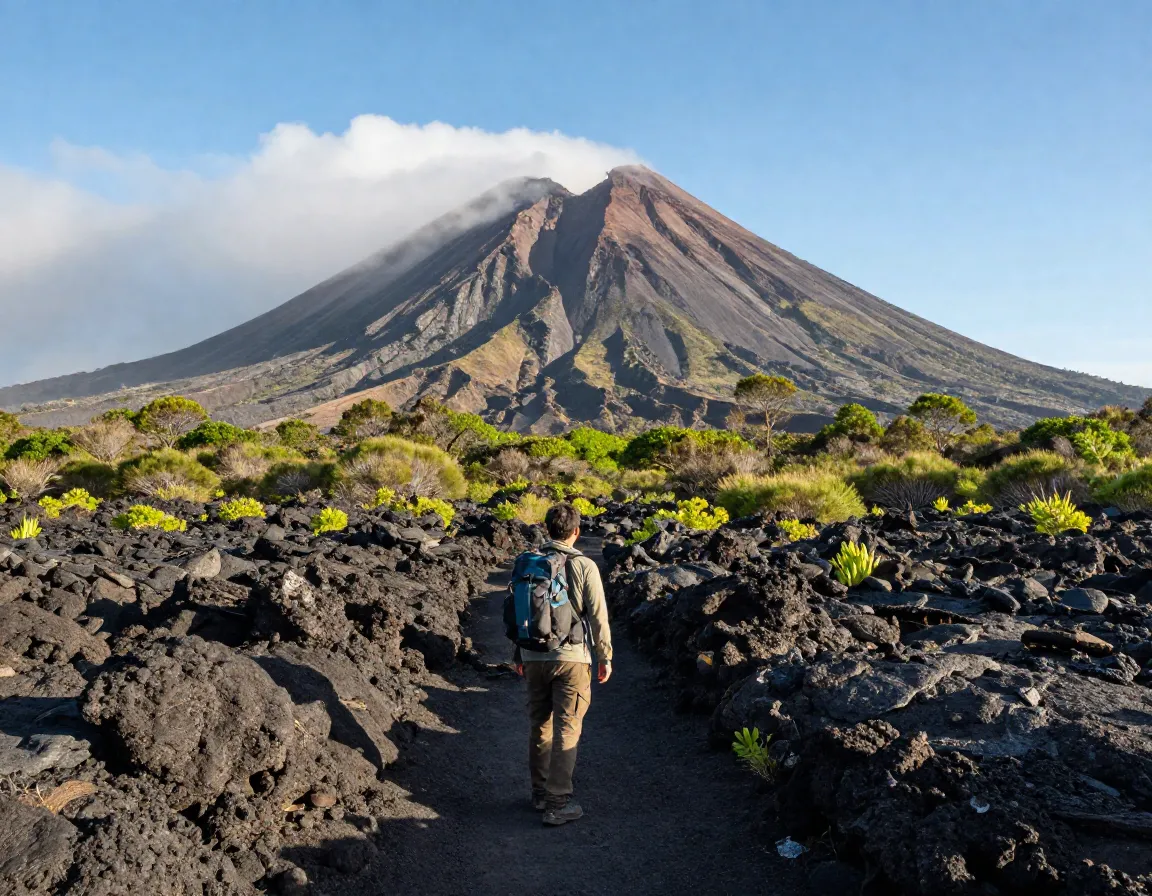
Arenal’s trail network includes the panoramic La Peninsula route and the volcanic Sendero Coladas path [3]. Morning hikes from December to March offer the best views of the cone. Professional guides navigate hikers through regenerating lava fields and pristine cloud forest throughout the year [3]. While camping inside the park is limited, the nearby town of La Fortuna has excellent lodging and camping options.
4. Monteverde Cloud Forest Reserve — Central Mountain Range
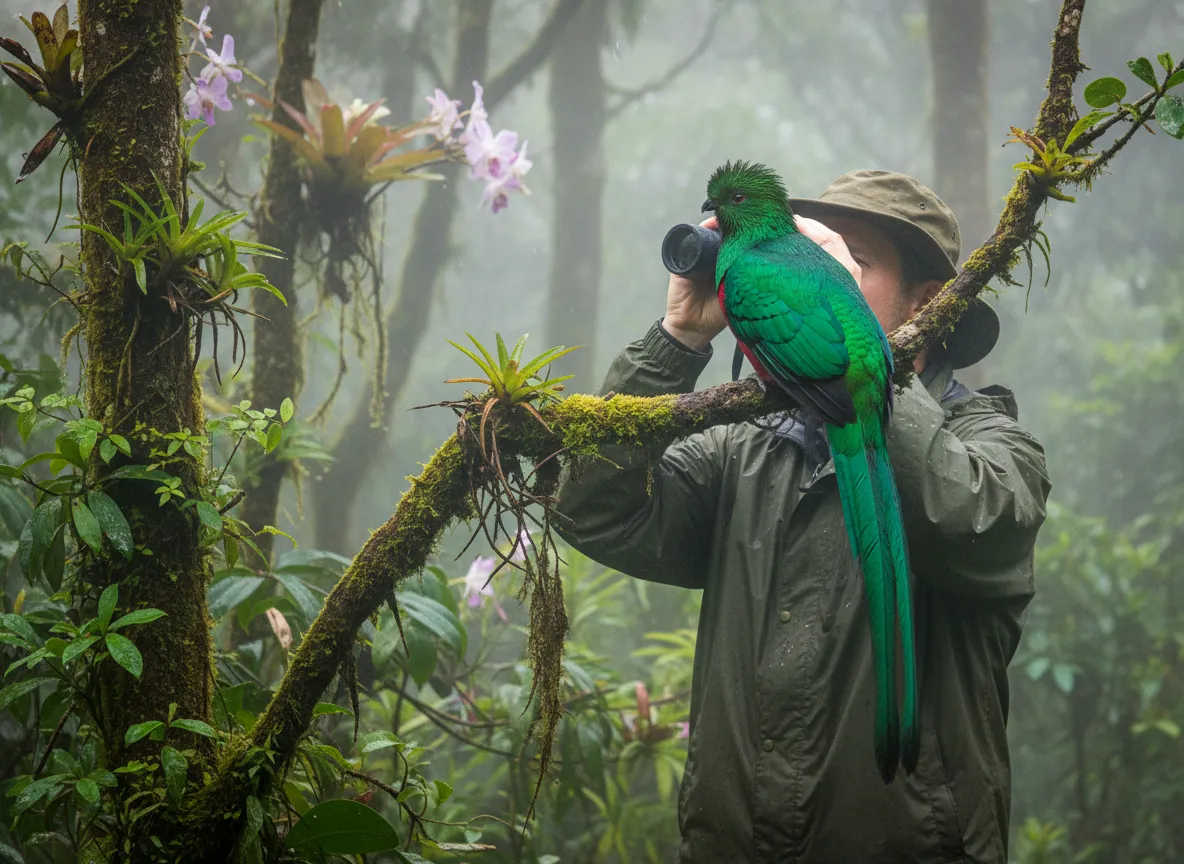
Best for: Birdwatching, orchid trails, misty forest immersion
Monteverde is one of the most iconic destinations on any Costa Rica hiking map. Daily guided walks span 2 to 8 kilometers through orchid-filled trails and varied terrain [3]. The reserve is a top spot for birdwatching, including the resplendent quetzal, and offers panoramic views of lush cloud forest canopy [4]. Camping options exist near the reserve, making it a solid overnight destination.
5. Tenorio Volcano National Park — Northern Zone
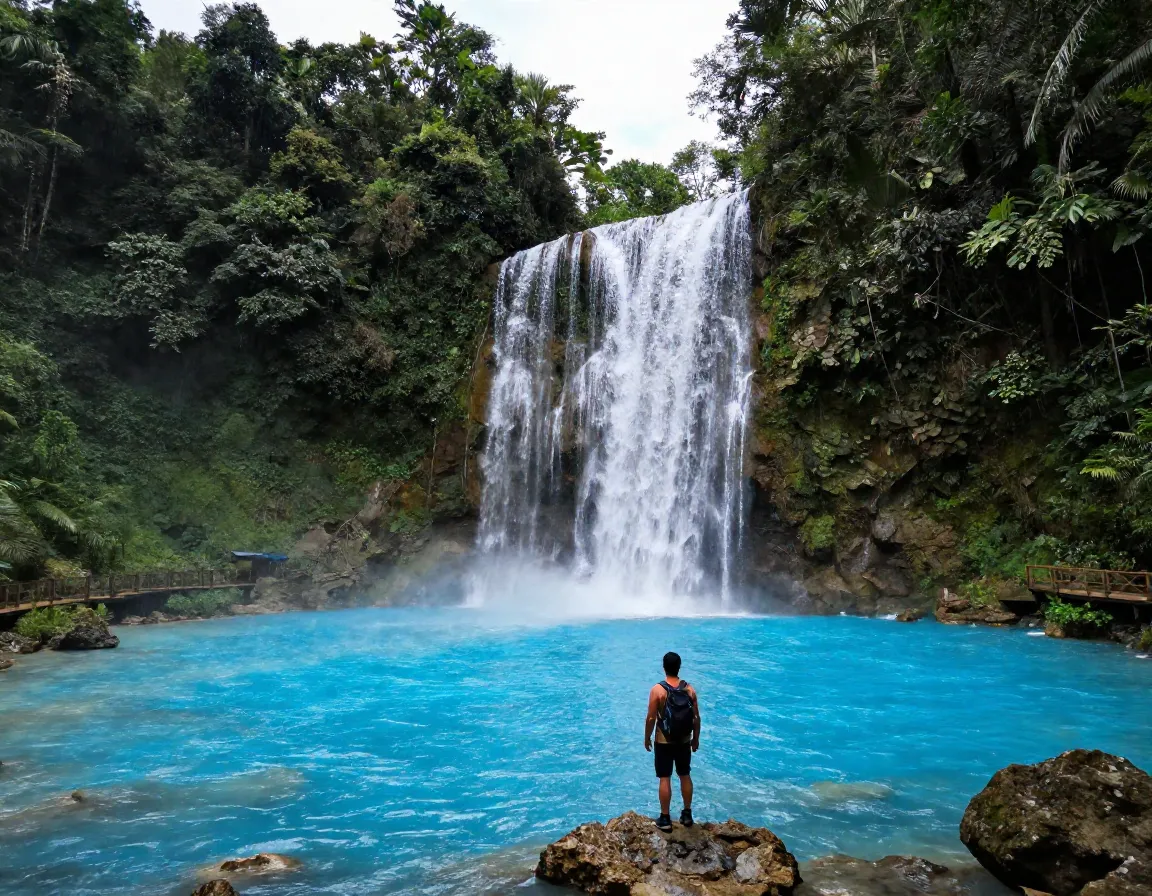
Best for: Intermediate hikers, turquoise waterfall, rainforest immersion
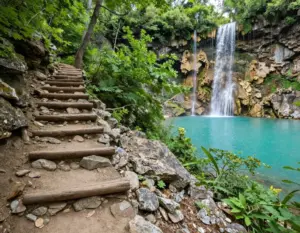
The Río Celeste waterfall trail stretches 20 kilometers through dense rainforest terrain and is perfectly suited for intermediate hikers [3]. The waterfall’s electric blue color — caused by a natural chemical reaction — is one of Costa Rica’s most photographed sights. The park is less crowded than Arenal or Monteverde, making it a great choice if you want a more peaceful experience.
6. Manuel Antonio National Park — Central Pacific Coast
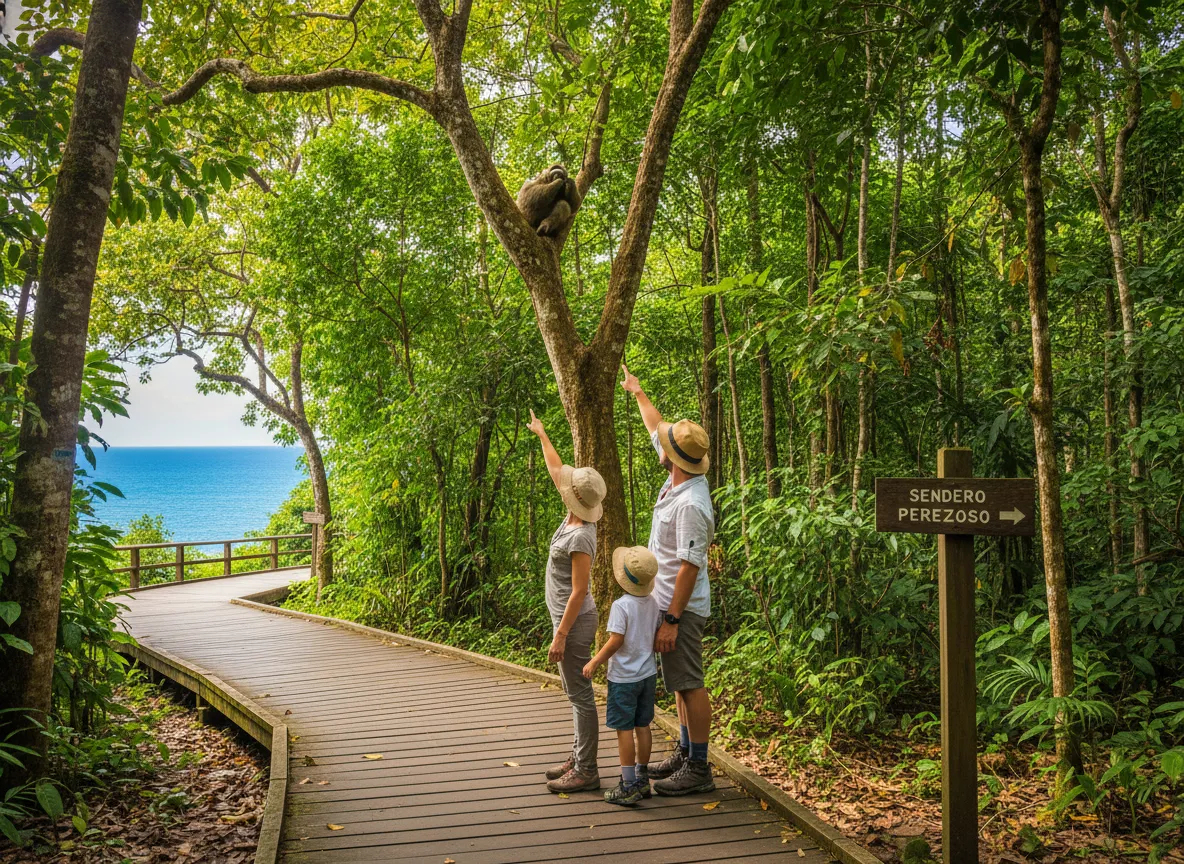
Best for: Families, wildlife viewing, easy coastal trails
Manuel Antonio is one of the best places in Costa Rica to see wild animals up close [4]. Trails are family-friendly and manageable for children, while still delivering excellent wildlife viewing — sloths, monkeys, and scarlet macaws are common sightings [3]. Camping is available in nearby Quepos, just a short drive from the park entrance [4].
7. Corcovado National Park — Osa Peninsula
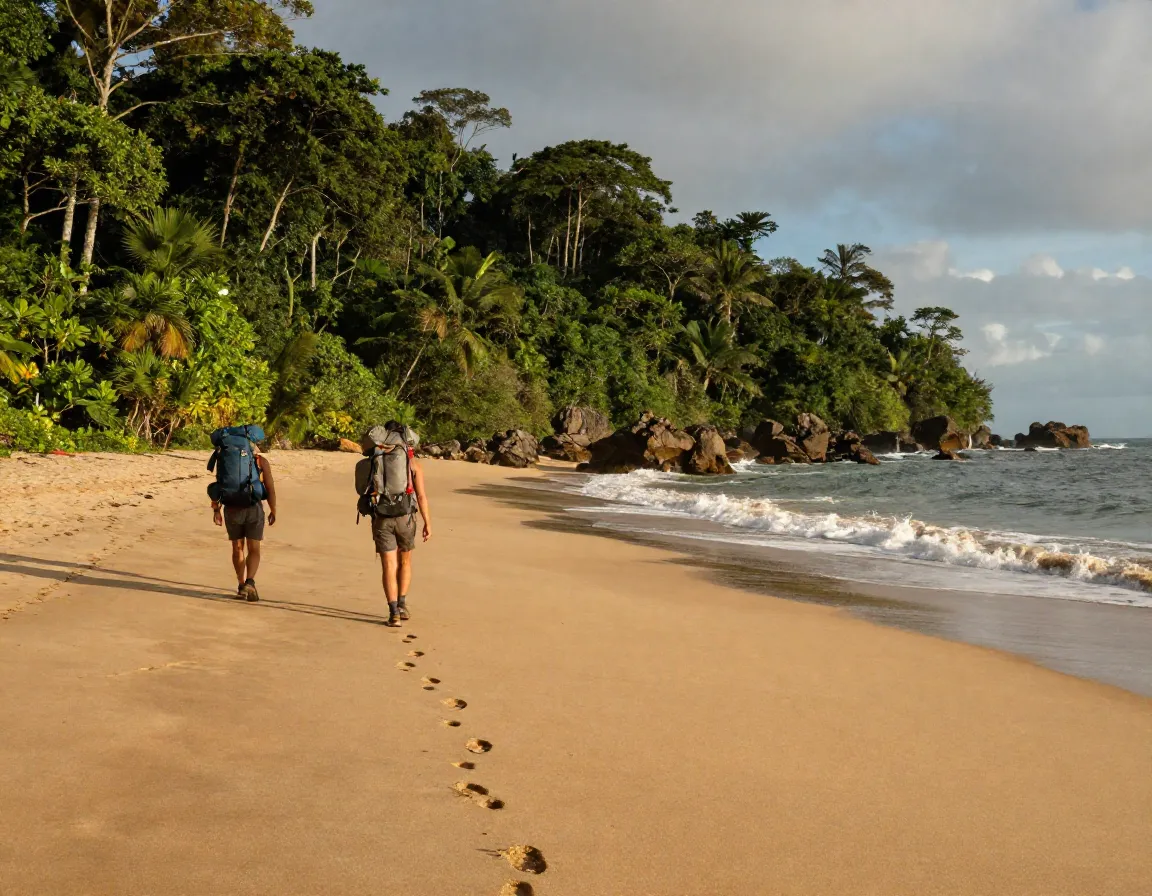
Best for: Serious hikers, remote wilderness, multi-day expeditions
🌿 “Corcovado is the most biologically intense place on Earth.” — National Geographic
Corcovado is the premier hiking destination in Costa Rica, with trails winding through diverse ecosystems on treks that can last three hours or span multiple days [3]. The park features deserted beaches, lush rainforest, and a well-developed trail system. Camping is allowed near ranger stations, but advance booking is required and availability is strictly limited [2]. This is not a park you can show up to without a reservation.
| Feature | Details |
|---|---|
| Camping | ✅ Yes — near ranger stations |
| Trail Difficulty | Strenuous |
| Best Season | December–April |
| Booking | Mandatory in advance |
8. Cerro Chirripó — Talamanca Mountain Range
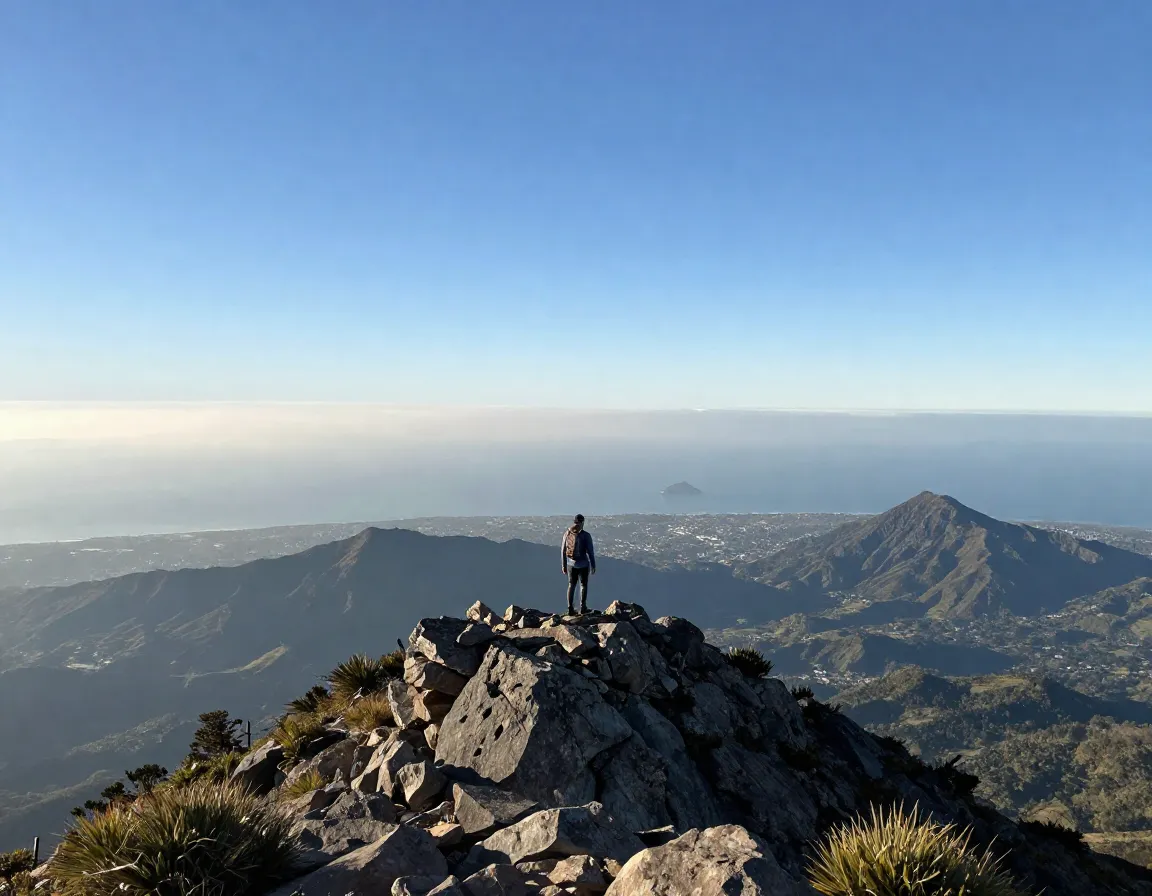
Best for: Summit seekers, endurance hikers, two-ocean views
At 12,533 feet, Cerro Chirripó is the highest peak in Costa Rica and the most popular mountain trekking route in the country [2]. The standard route covers about 11 miles and can be stretched over two days with an overnight stay at the Crestones Base Lodge [2]. On clear days, you can see both the Pacific and Caribbean coasts from the summit — a truly unforgettable reward [2]. Permits are required and often sell out months in advance.
9. Palo Verde National Park — Tempisque River Basin
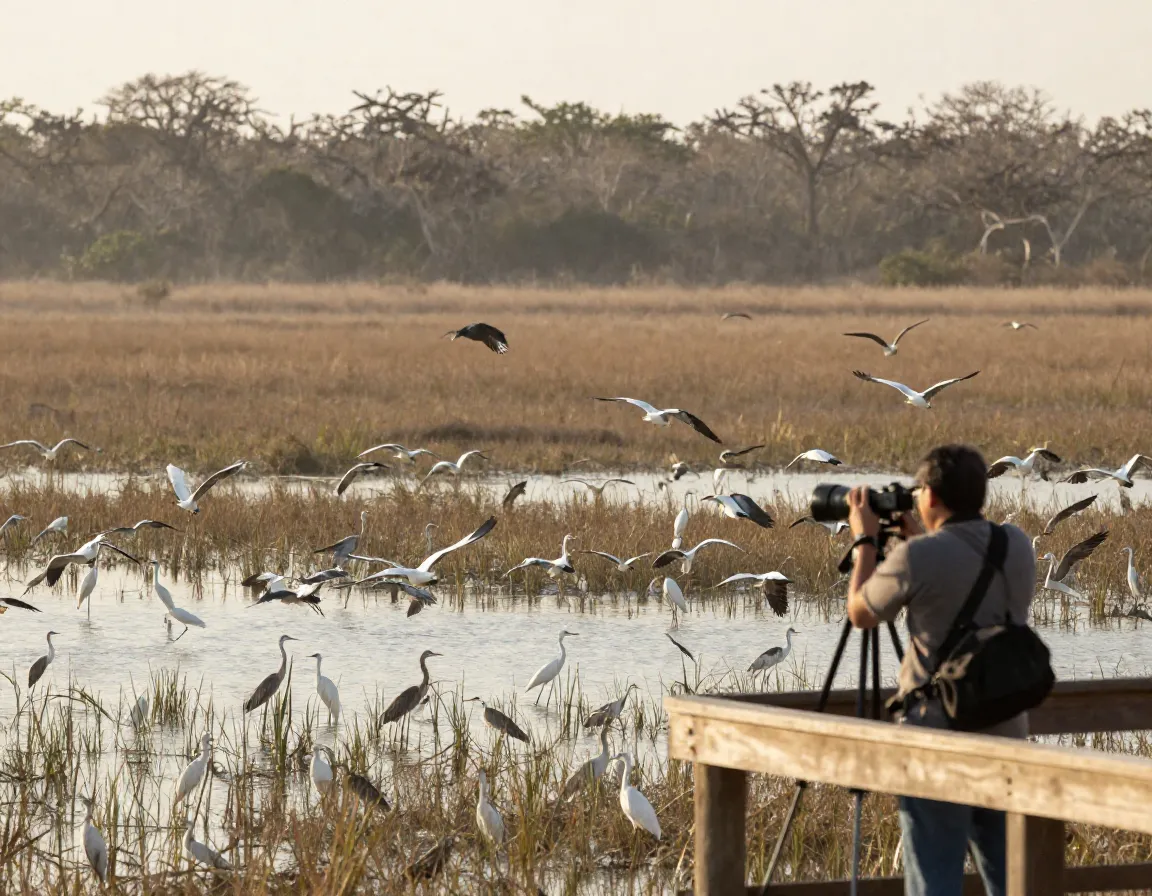
Best for: Birdwatching, wetland hiking, dry forest exploration
Palo Verde is often overlooked on Costa Rica hiking maps, but it is a hidden gem for birders and nature lovers. The park protects one of the largest wetlands in Central America and is home to massive flocks of migratory birds. It is one of the few parks where camping is officially permitted [4], and its flat, accessible trails make it a great option for hikers who want wildlife without the elevation challenge.
Camping Rules: What You Need to Know
Not every park on this list allows overnight camping. Here is a quick reference:
Parks with designated camping:
- ✅ Santa Rosa National Park
- ✅ Rincón de la Vieja National Park
- ✅ Corcovado National Park
- ✅ Palo Verde National Park
- ✅ Marino Ballena National Park
Parks where camping is NOT allowed inside park boundaries:
- ❌ Manuel Antonio (camp in Quepos)
- ❌ Tenorio (private campsites nearby)
- ❌ Arenal (private options in La Fortuna)
⚠️ Important: Camping in Costa Rica’s national parks is generally not allowed without designated sites [4]. Always confirm current rules before your trip.
Conclusion: Plan Your Adventure with Confidence
The 9 Key Regions on a Costa Rica Map for Hikers and Campers covered in this guide give you a solid foundation for planning an unforgettable outdoor adventure. From the geothermal wonders of Rincón de la Vieja to the summit glory of Cerro Chirripó, each region offers something unique.
Your actionable next steps:
- Choose your difficulty level — beginner, intermediate, or expert — and match it to the right region.
- Book permits early, especially for Corcovado and Chirripó, which fill up months in advance.
- Pack for the microclimate — cloud forests are cool and wet, while Guanacaste is hot and dry.
- Hire a local guide for parks like Corcovado where trails can be disorienting and wildlife encounters require expertise.
- Check SINAC’s official site for the latest fees, rules, and availability before you go.
Costa Rica rewards those who plan well. Use this regional guide as your starting point, and you will be ready for one of the most rewarding hiking and camping experiences in the world. 🌿
References
[1] Best Places To Camp In Costa Rica – https://costa-rica-guide.com/nature/best-places-to-camp-in-costa-rica/
[2] Backpacking Costa Rica Travel Guide – https://www.thebrokebackpacker.com/backpacking-costa-rica-travel-guide/
[3] Costa Rica Hiking Trekking – https://www.tourradar.com/i/costa-rica-hiking-trekking
[4] Camping Costa Rica Campsites – https://www.thoroughlytravel.com/camping-costa-rica-campsites/