9 High-Energy Mountain Climbing Food Ideas for Peak Performance
Every serious climber knows that moment — halfway up a technical route, legs burning, fingers aching, and suddenly the energy just vanishes. What you eat before, during, and after a climb can be the difference between summiting and turning back. That’s why I put together this guide on the 9 High-Energy Mountain Climbing Food Ideas for Peak Performance — a practical, science-backed list designed to fuel your body from base camp to the top.

Whether you’re a weekend trekker or a seasoned alpinist, understanding high-altitude nutrition is non-negotiable in 2026. Research confirms that carbohydrate intake is one of the most frequently insufficient nutrients among climbers, directly impacting energy availability and performance [3]. This guide covers everything you need to know.
Key Takeaways
- 🥜 Protein and carbs work together — aim for 25–30g protein and 60g+ carbs before and after climbing sessions [1]
- ⚡ Timing matters — eat 45–60 minutes before climbing and refuel every hour during extended efforts [1]
- 🍌 Whole-food carbs beat ultra-processed options — choose real food sources for sustained energy [4]
- 🦴 Connective tissue needs support — collagen supplementation before training helps tendons and joints handle repetitive strain [2]
- 📚 Nutrition education pays off — climbers who learn sport-specific nutrition show dramatically better performance outcomes [3]
Why Climbing Nutrition Is Different from Regular Sports Nutrition
Mountain climbing places unique demands on the body. You’re battling cold temperatures, reduced oxygen at altitude, heavy pack weight, and hours of sustained effort. Standard gym nutrition advice simply doesn’t cut it.
“Adequate carbohydrate intake is essential for climbing performance and energy availability — yet it remains one of the most commonly insufficient nutrients among climbers.” [3]
At altitude, your body burns more calories just to stay warm. Your appetite may decrease due to altitude sickness, making deliberate, strategic eating even more important. The foods you choose need to be:
- Calorie-dense (high energy per gram of weight)
- Easy to digest (especially at altitude)
- Packable and durable (no refrigeration needed)
- Palatable in cold conditions (some foods freeze or become unappetizing)
The 9 High-Energy Mountain Climbing Food Ideas for Peak Performance below check all these boxes.
The 9 High-Energy Mountain Climbing Food Ideas for Peak Performance
1. Oats and Whole Grain Cereals 🌾
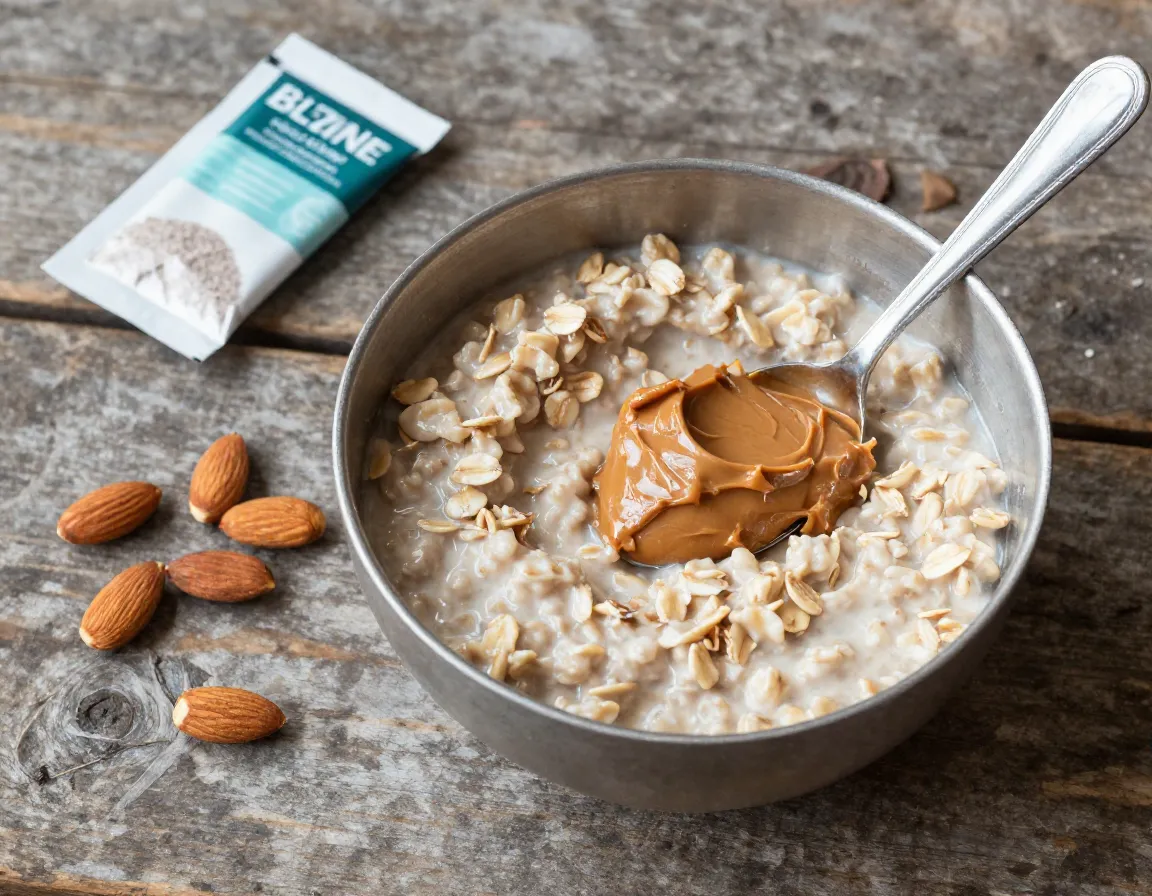
Best for: Pre-climb breakfast (45–60 minutes before)
Oats are a cornerstone of climbing nutrition for good reason. They deliver slow-releasing complex carbohydrates that keep your energy stable during the early hours of a climb. A single cup of cooked oats provides roughly 27 grams of carbs — a solid start toward the minimum 60 grams recommended before a training session or climb [1].
How to use them: Prepare overnight oats at base camp, or pack instant oat packets for high-altitude camps. Add nut butter or protein powder to hit your protein targets simultaneously.
| Nutrient | Per Cup Cooked Oats |
|---|---|
| Calories | ~160 |
| Carbohydrates | ~27g |
| Protein | ~6g |
| Fiber | ~4g |
2. Bananas 🍌
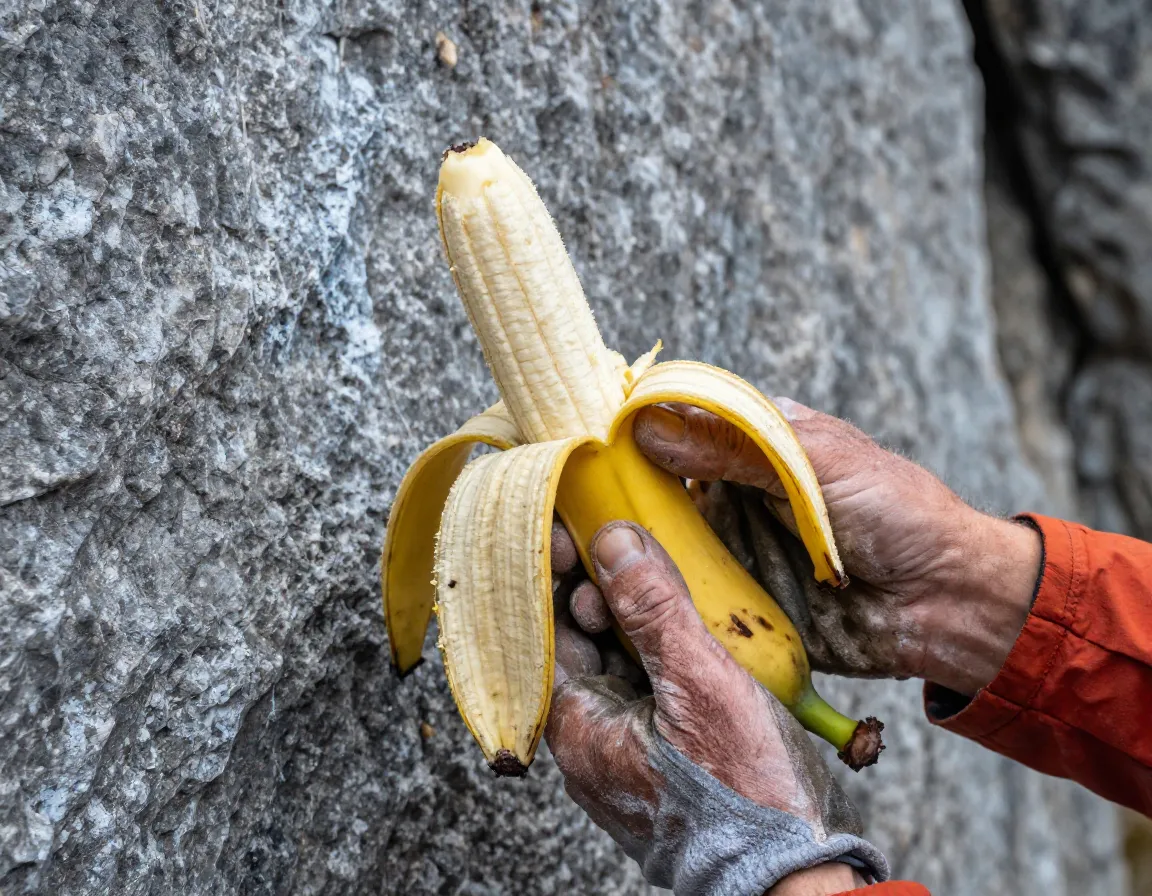
Best for: During the climb (every hour of extended effort)
Bananas are one of the most climber-friendly foods on the planet. They’re soft, easy to eat with cold hands, naturally sweet, and packed with fast-digesting carbohydrates. During climbs exceeding one hour, you need at least 30 grams of easily digested carbs per hour — one large banana provides about 27 grams [1].
They also deliver potassium, which helps prevent muscle cramps during long ascents. The downside? They bruise easily, so pack them carefully at the top of your bag.
3. Dates and Dried Fruit 🌴
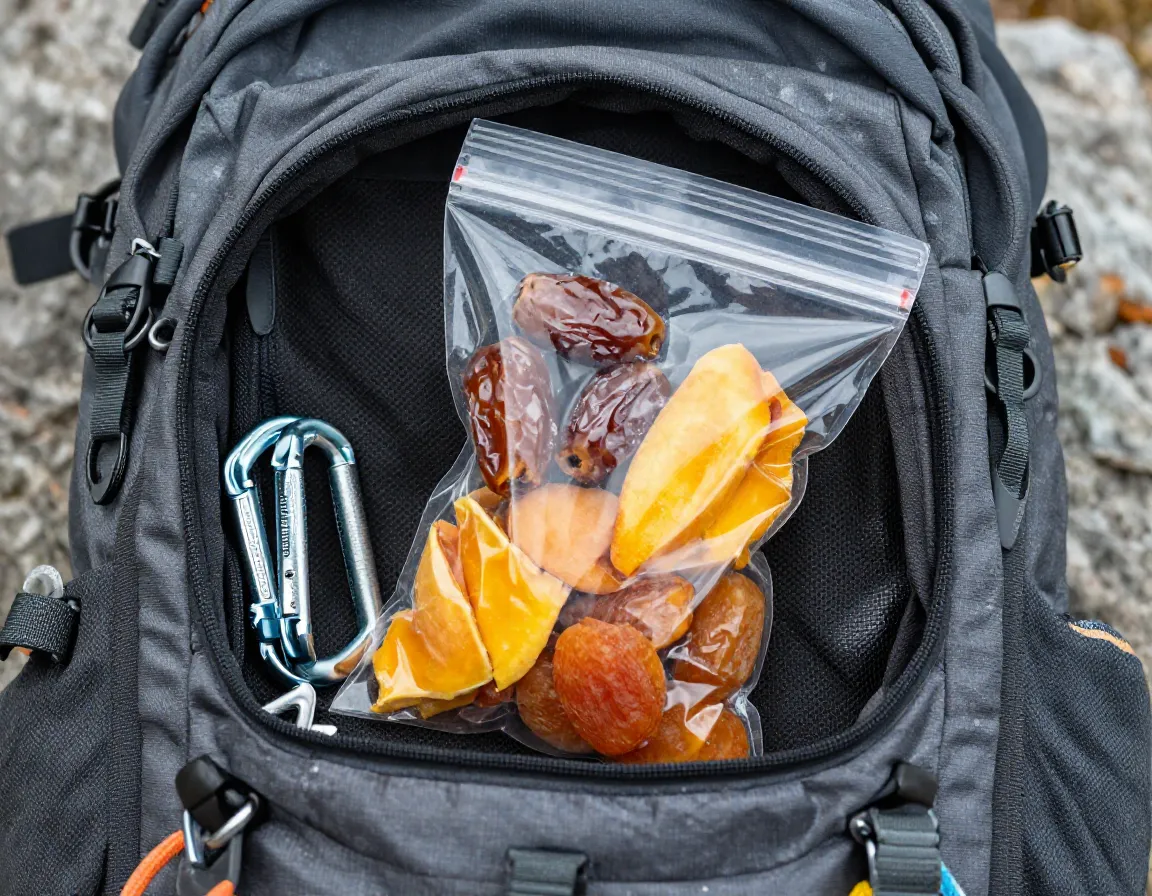
Best for: Mid-climb energy boosts
Dates are nature’s energy chews. Each Medjool date contains roughly 18 grams of carbohydrates in a compact, shelf-stable package. They don’t freeze solid like some other foods, making them reliable in cold alpine conditions.
Dried mango, apricots, and raisins are equally effective. Mix them with nuts for a homemade trail mix that delivers both fast and slow energy. This combination of simple and complex carbs is exactly what your muscles need during sustained effort [1].
Pro tip: Pre-portion dates into small zip-lock bags so you can grab and eat them without stopping to dig through your pack.
4. Nut Butters and Whole Nuts 🥜
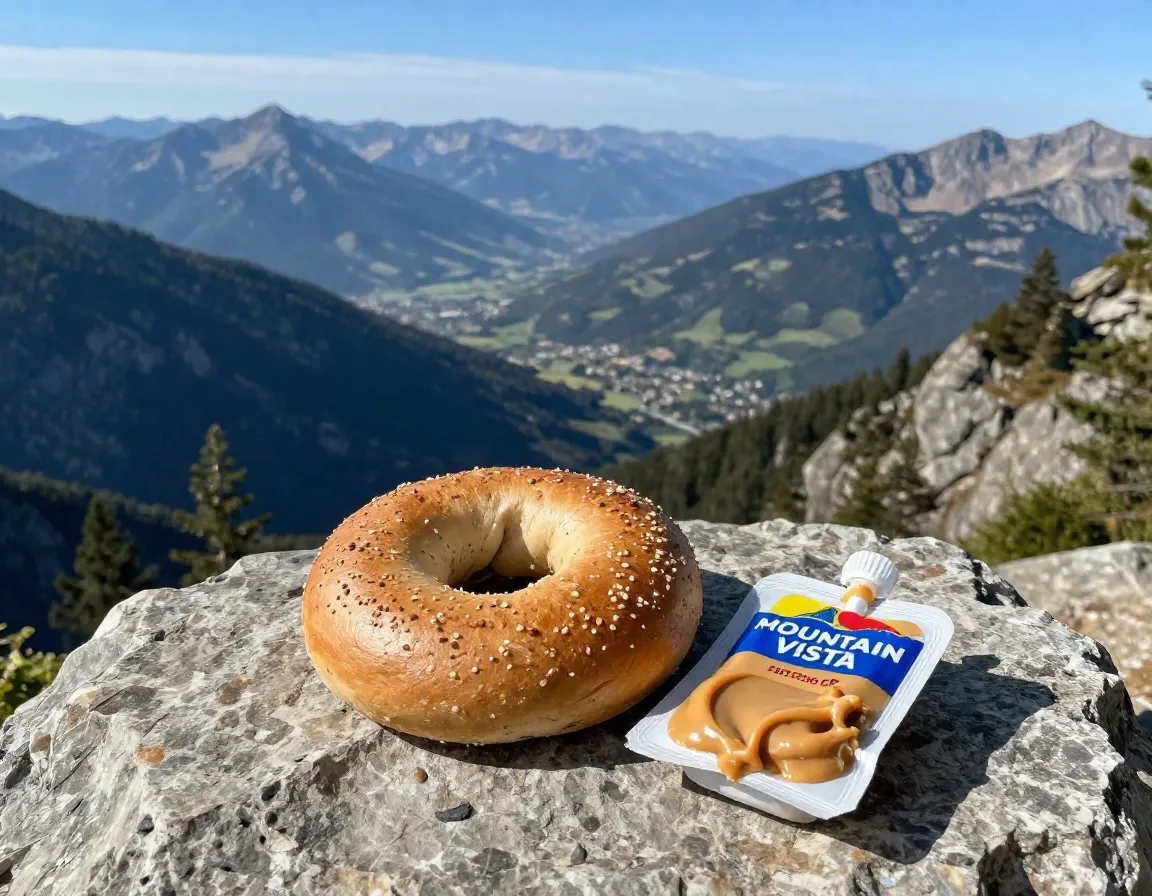
Best for: Sustained energy and healthy fats
Almonds, cashews, walnuts, and peanut butter packets are calorie-dense powerhouses. A two-tablespoon serving of peanut butter delivers about 8 grams of protein and 16 grams of healthy fat — critical for long multi-day expeditions where caloric needs skyrocket.
Nut butters in single-serve squeeze packets are ideal for climbing because they’re lightweight, require no utensils, and don’t freeze as easily as solid foods. Pair them with a bagel or pita bread for a complete pre-climb meal that hits both your protein and carbohydrate targets [1].
5. Bagels and Pita Bread 🥖
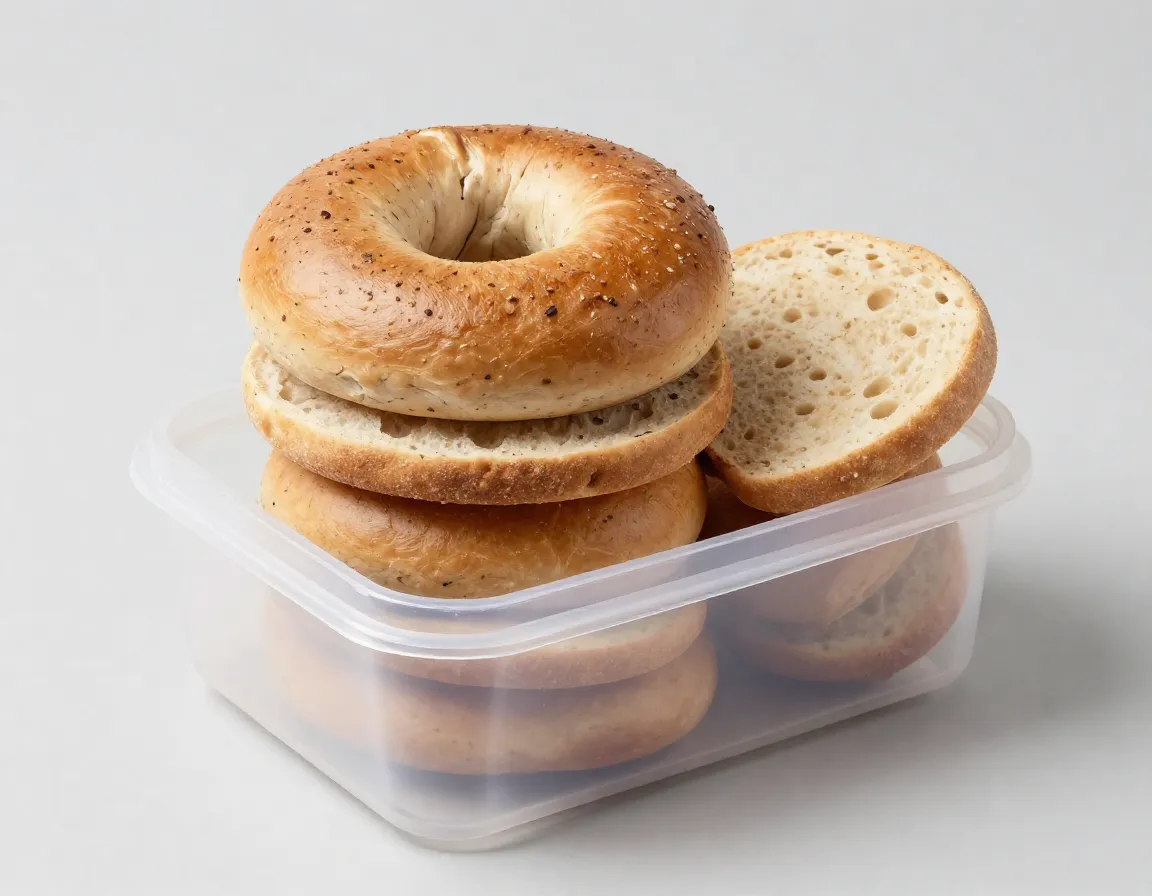
Best for: Pre-climb carbohydrate loading
Don’t underestimate the humble bagel. A standard whole wheat bagel contains 48–55 grams of carbohydrates — nearly the entire minimum carb target for pre-climb fueling in a single food item [1]. They’re durable, portable, and pair well with nut butters, hummus, or cheese for added protein and fat.
Pita bread is equally useful and even more packable. Both options represent the kind of whole-food carbohydrate sources that updated 2026 nutrition guidance recommends over ultra-processed alternatives [4].
6. Energy Bars and Granola Bars 🍫
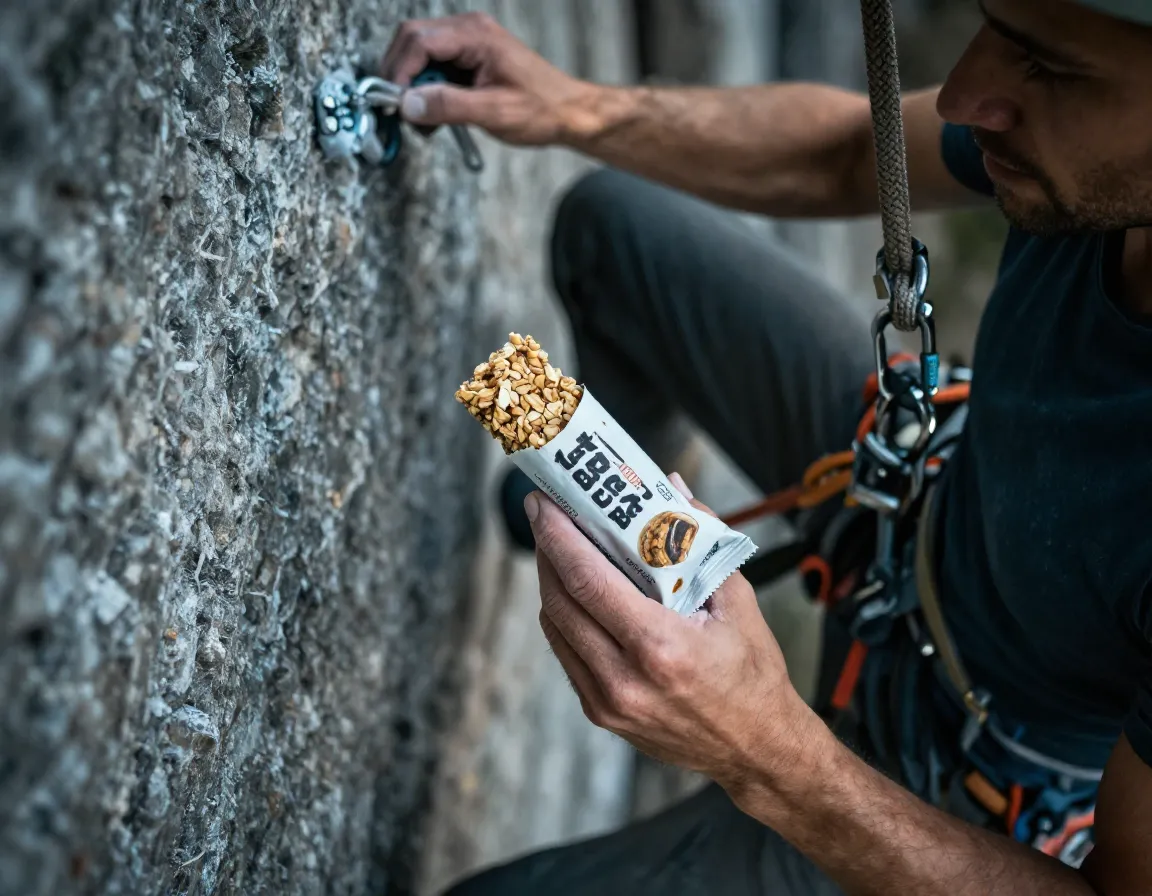
Best for: Quick mid-route refueling
When you’re clipped into a belay station with one hand free, a well-chosen energy bar is invaluable. Look for bars with at least 25–30 grams of carbohydrates and minimal artificial ingredients. Granola bars, date-based bars, and oat bars align with the whole-food carbohydrate philosophy now central to climber nutrition [4].
What to look for on the label:
- First ingredient: Oats, dates, or nuts (not sugar syrup)
- Carbs per serving: 25g minimum
- Protein: 5–10g for sustained satiety
- Avoid: Bars with more than 15g of added sugar
7. High-Quality Protein Foods 💪
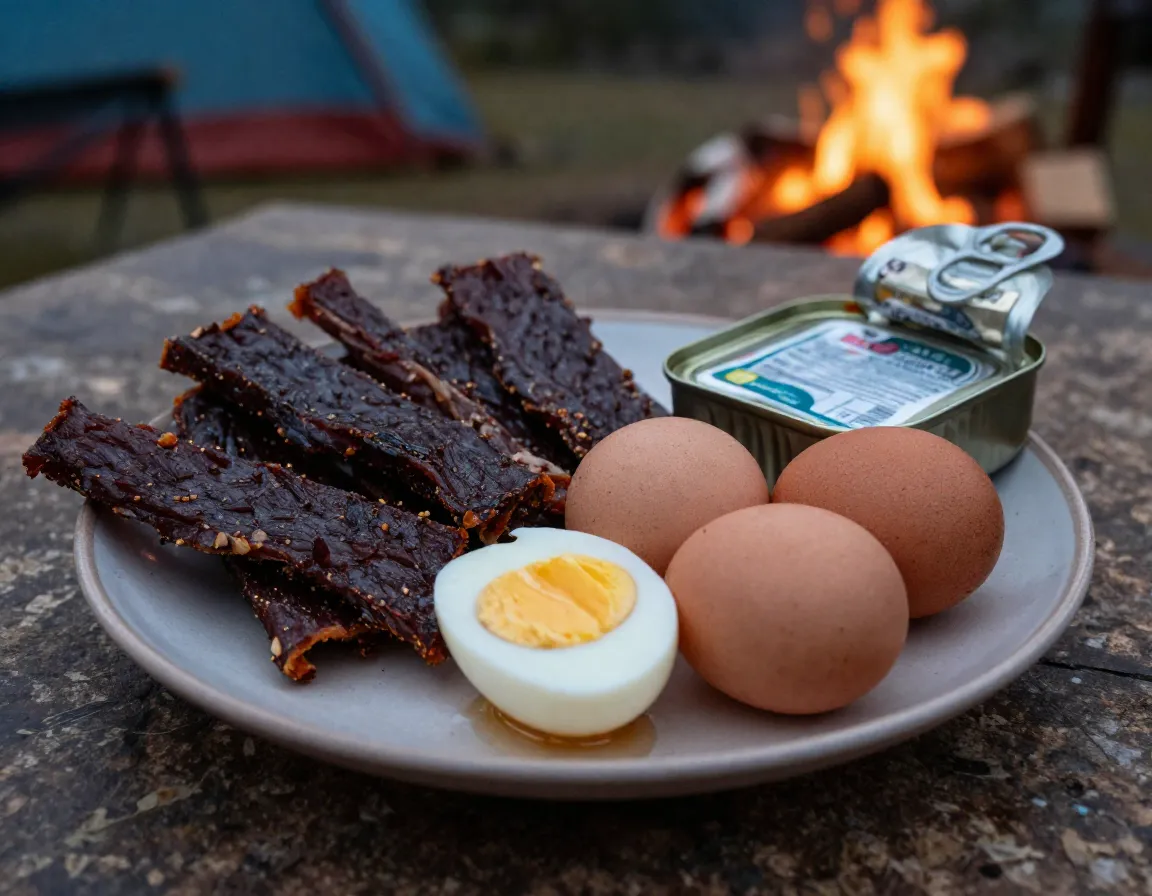
Best for: Post-climb recovery
Current 2026 dietary guidance places protein at the top of the priority list for climbers — especially aging athletes whose muscle recovery rates slow over time [2]. Immediately after a climb, aim for 25–30 grams of protein alongside at least 60 grams of carbohydrates [1].
Practical high-protein options for the mountains include:
- Jerky (beef, turkey, or salmon)
- Hard-boiled eggs (for base camp)
- Canned tuna or salmon packets
- Plant-based protein powder mixed into water
- Greek yogurt (for lower-altitude camps with cooler temps)
Prioritize nutrient-dense whole food proteins over processed protein snacks whenever possible [1].
8. Collagen Supplements ☕
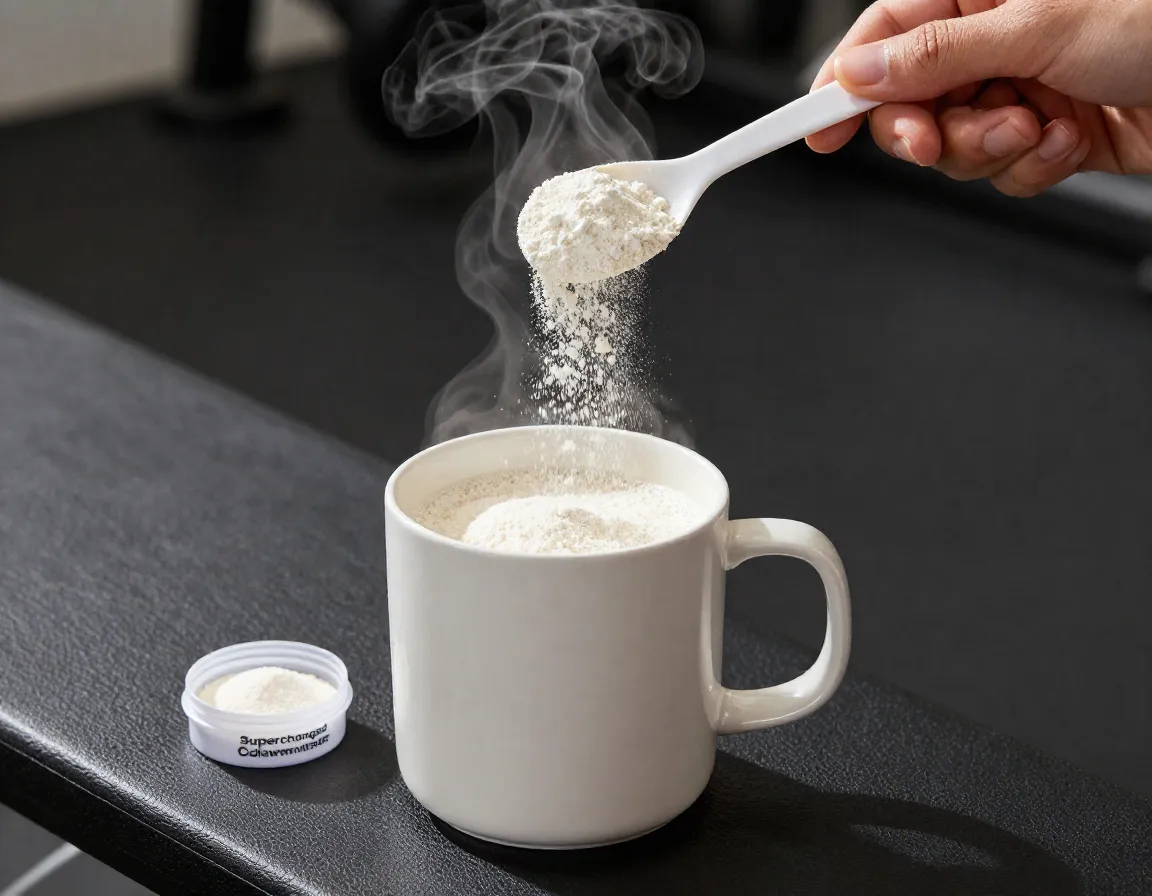
Best for: Connective tissue support before training
This one surprises many climbers, but the evidence is compelling. Collagen supplementation before training sessions supports tendon and joint health — critical for climbers who subject their fingers, wrists, and shoulders to repetitive high-load movements [2].
Specialized formulas like Supercharged Collagen® are designed specifically for climbers to support connective tissue remodeling under repetitive strain [5]. Mix collagen powder into hot water or coffee before a session — it dissolves easily and adds minimal weight to your pack.
“High-quality protein post-workout and collagen before training are recommended to support connective tissue remodeling and muscle recovery in climbers.” [2]
9. Hot Broth and Electrolyte Drinks 🍵
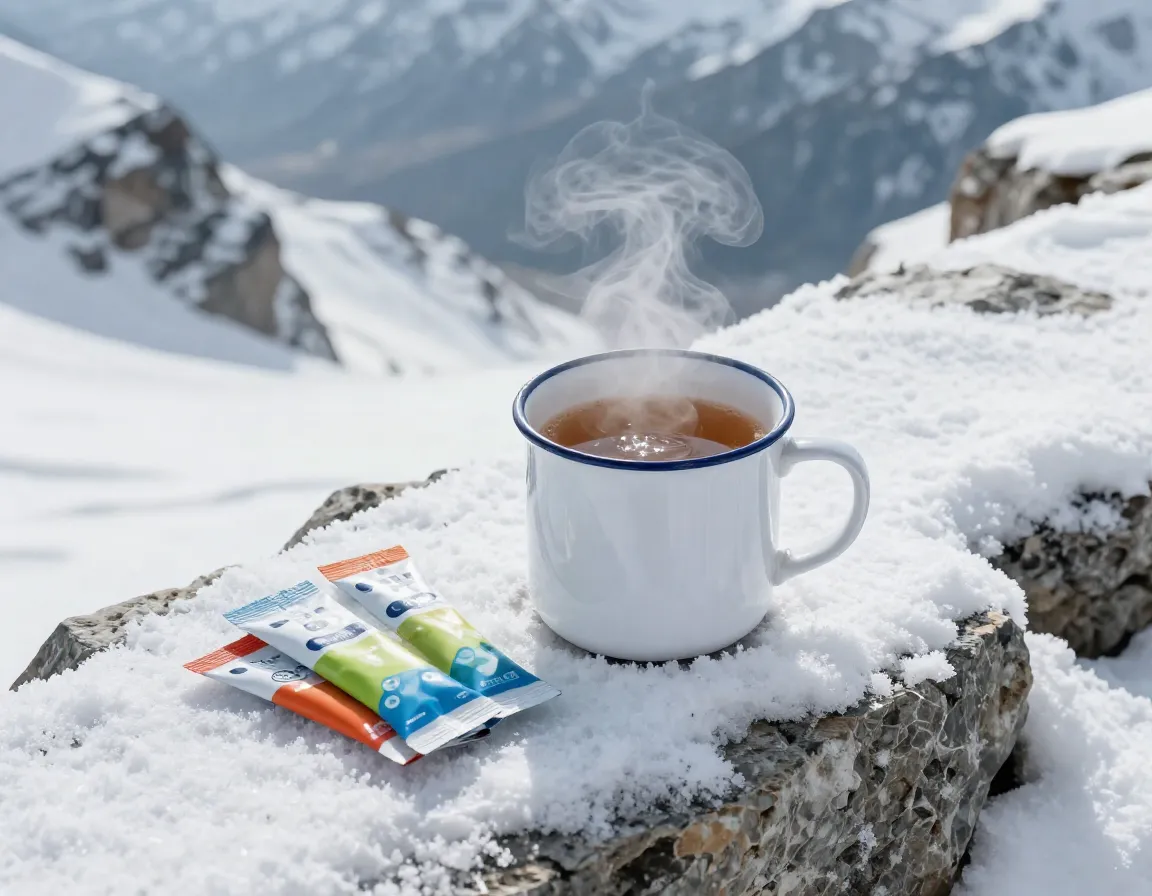
Best for: Hydration, warmth, and sodium replacement
At altitude, dehydration sneaks up on you. Cold air is dry, breathing is harder, and you may not feel thirsty even when you’re losing significant fluid. Hot broth — chicken, beef, or vegetable — solves multiple problems at once: it hydrates, warms your core, replaces sodium lost through sweat, and provides a small caloric boost.
Electrolyte drinks and sport chews are equally effective for maintaining hydration and carbohydrate intake during extended climbs [1]. Look for options with sodium, potassium, and magnesium to prevent cramping and support sustained muscle function.
Timing Your Nutrition: A Simple Framework
| Phase | Timing | Target |
|---|---|---|
| Pre-climb | 45–60 min before | 25–30g protein + 60g+ carbs [1] |
| During climb | Every 60 min | 30g+ easy-digest carbs [1] |
| Post-climb | Immediately after | 25–30g protein + 60g+ carbs [1] |
| Connective tissue | Before training | Collagen supplement [2] |
Conclusion
Fueling a mountain climb isn’t complicated, but it does require intention. The 9 High-Energy Mountain Climbing Food Ideas for Peak Performance covered in this guide — from oats and bananas to collagen supplements and hot broth — give you a complete toolkit for every phase of your climb.
Your actionable next steps:
- Plan your nutrition timing using the pre-, during-, and post-climb framework above
- Audit your current snack bag — swap ultra-processed bars for whole-food alternatives [4]
- Add collagen to your pre-session routine to protect tendons and joints [2]
- Track your carb intake — most climbers are getting far less than they need [3]
- Educate yourself continuously — climbers who invest in nutrition knowledge see dramatically better results [3]
The mountain doesn’t care how strong you are if your body runs out of fuel. Pack smart, eat consistently, and you’ll have the energy to reach every summit you set your sights on. 🏔️
References
[1] Amity Warmes 5 Climbing Nutrition Guidelines – https://www.climbing.com/skills/nutrition/amity-warmes-5-climbing-nutrition-guidelines/
[2] Training Cafe 92 My Climbing Training Resolutions For 2026 – https://trainingforclimbing.com/training-cafe-92-my-climbing-training-resolutions-for-2026/
[3] Full – https://www.frontiersin.org/journals/nutrition/articles/10.3389/fnut.2026.1767162/full
[4] Podcast 125 New Food Pyramid 2026 – https://trainingforclimbing.com/podcast-125-new-food-pyramid-2026/
[5] Physivantage Precision Nutrition For Climbers – https://climbingbusinessjournal.com/physivantage-precision-nutrition-for-climbers/