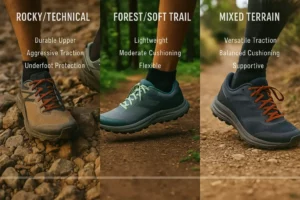
9 Expert Tips on What to Wear for Camping in Any Weather
Picture this: you’re deep in the backcountry, the temperature drops 20 degrees in two hours, and your cotton hoodie is soaked through. It’s a miserable situation — and a completely avoidable one. Whether you’re heading out for a weekend car-camping trip or a multi-day backpacking adventure, knowing what to wear for camping can make the difference between a great experience and a dangerous one. These 9 expert tips on what to wear for camping in any weather will help you dress smart, stay comfortable, and enjoy the outdoors no matter what the forecast throws at you.
Key Takeaways
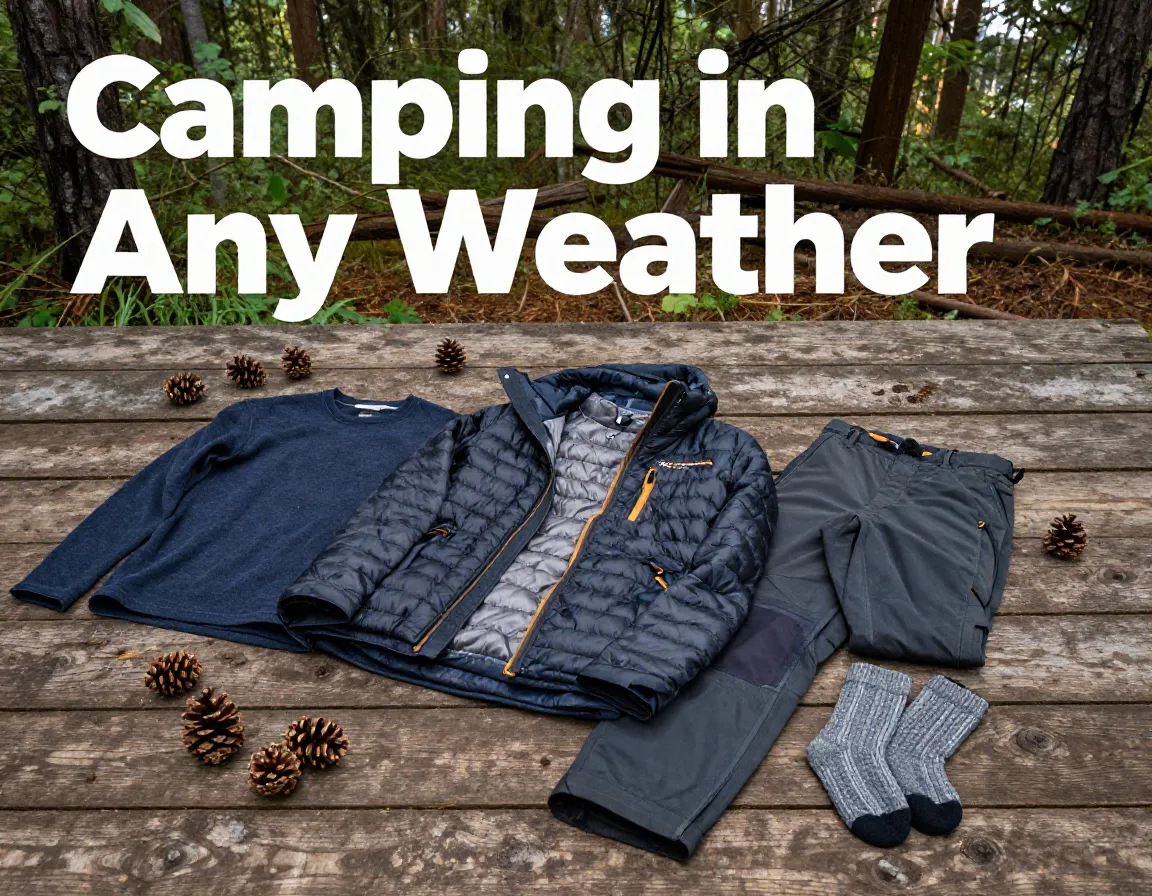
- 🧅 Layering is everything — a proper base, mid, and outer shell system adapts to any weather condition.
- 💧 Avoid cotton — moisture-wicking and quick-dry fabrics like merino wool and synthetics are far superior for camping.
- 🌧️ Wet weather demands synthetic insulation — down loses warmth when damp; synthetics don’t.
- 🧦 Don’t overlook socks and accessories — quality wool socks and sun-protective layers are often the most impactful gear choices.
- ♻️ Sustainable options exist — eco-friendly materials can match or exceed performance of conventional gear.
Why Dressing Right for Camping Matters More Than You Think
Most people spend hours researching tents and sleeping bags but give little thought to their clothing system. That’s a mistake. Your clothing is your first line of defense against wind, rain, cold, and UV exposure. A well-planned outfit keeps your body temperature regulated, prevents hypothermia, and reduces fatigue.
“The right camping outfit isn’t about fashion — it’s about survival, comfort, and performance in unpredictable environments.”
The good news? You don’t need to spend a fortune. You just need to know the principles. Let’s break down the 9 expert tips on what to wear for camping in any weather so you can build a reliable, weather-ready wardrobe for the trail.
The 9 Expert Tips on What to Wear for Camping in Any Weather
1. Start With a Moisture-Wicking Base Layer
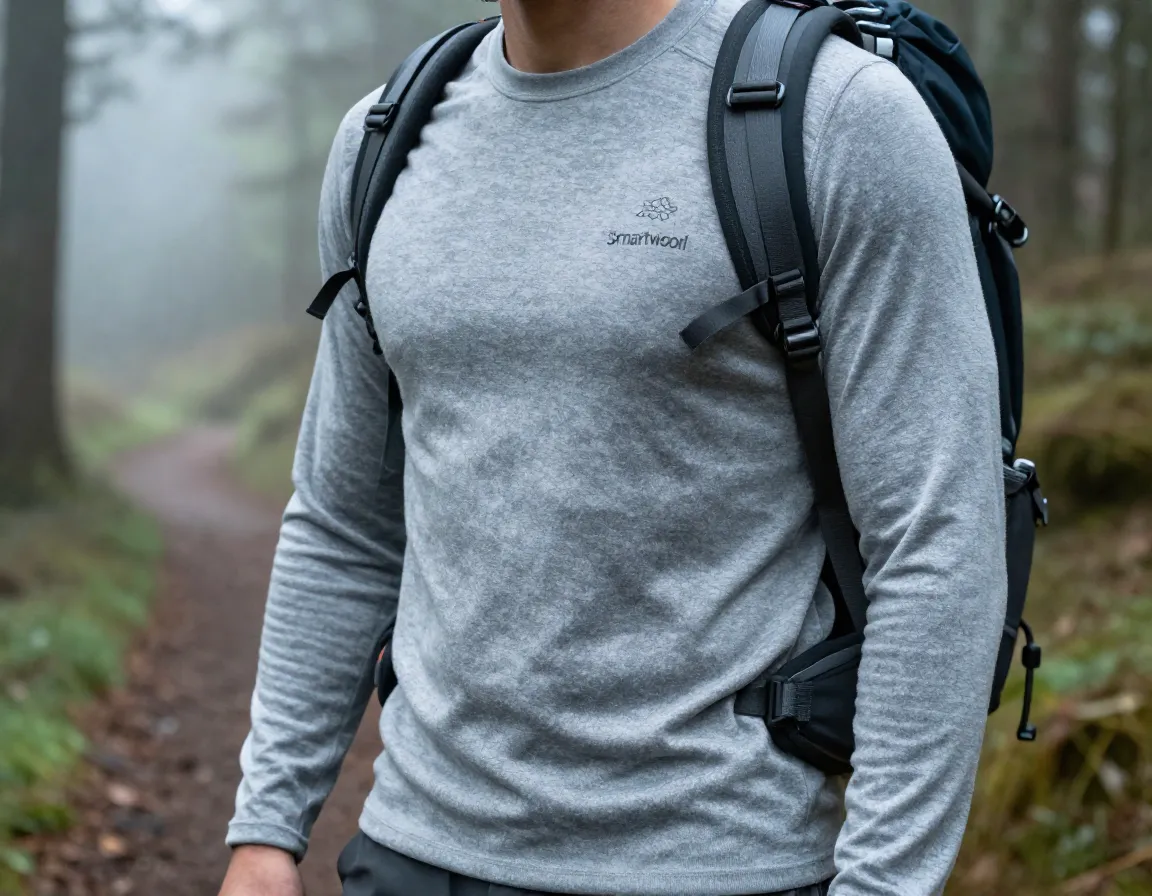
Your base layer is the foundation of your entire clothing system. It sits directly against your skin and its job is simple: move moisture away from your body so you don’t get chilled by sweat.
Best materials for base layers:
| Material | Best For | Key Benefit |
|---|---|---|
| Merino Wool | All-season camping | Natural odor resistance, soft feel |
| Synthetic (polyester) | High-output activities | Fast drying, durable |
| Silk | Lightweight travel | Packable, smooth |
Merino wool brands like Smartwool and Icebreaker are widely recommended for their natural moisture control and temperature regulation. They work in both cold and warm conditions, making them incredibly versatile [1].
Pro tip: Avoid cotton base layers entirely. Cotton absorbs moisture and holds it against your skin, which accelerates heat loss in cold conditions — a phenomenon known as “cotton kills.”
2. Choose Synthetic Insulation for Wet Weather
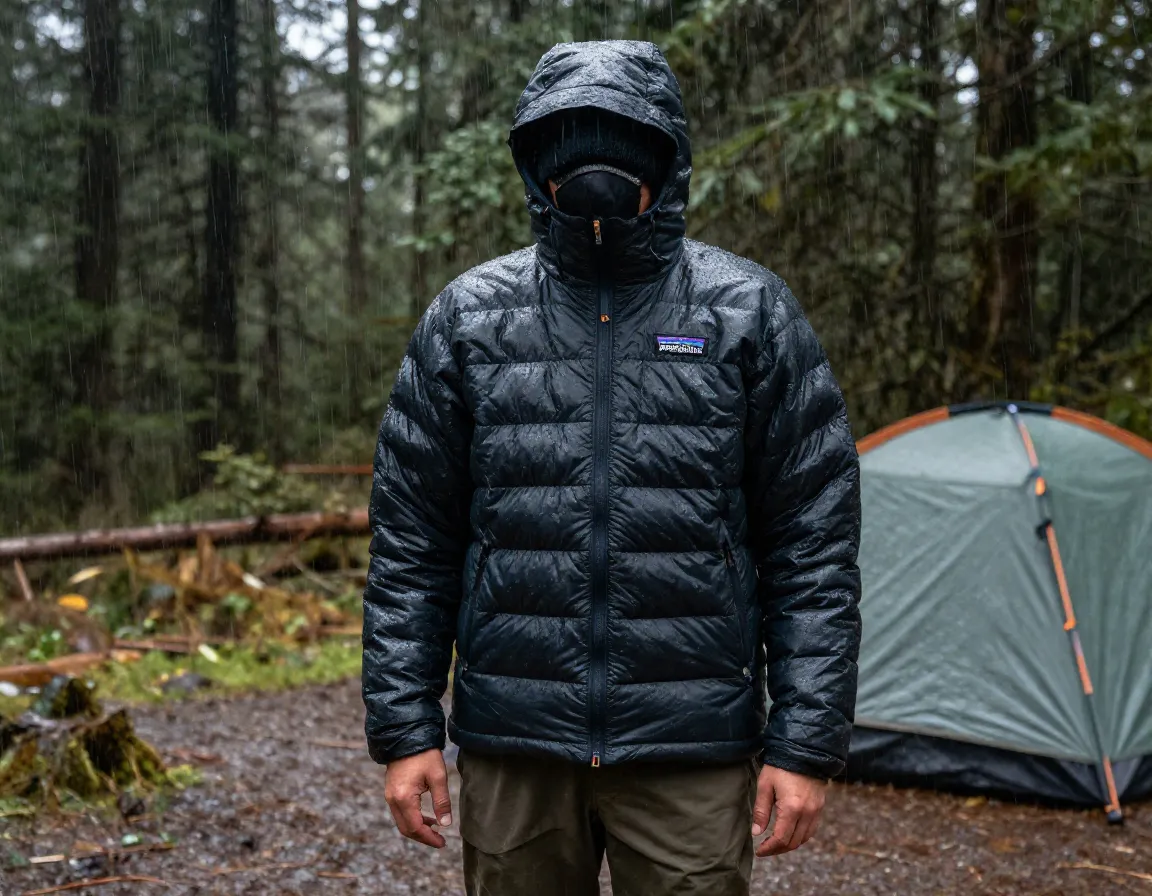
If you’re camping in a rainy or humid environment, synthetic insulation is your best friend. Unlike down, synthetic fill maintains its warmth even when wet. Products like the Patagonia Nano-Puff are specifically designed for damp conditions where down insulation would fail [2].
Synthetic mid-layers are also easier to care for and typically more affordable than premium down options — a solid win for budget-conscious campers.
3. Invest in Quality Down Insulation for Cold, Dry Conditions
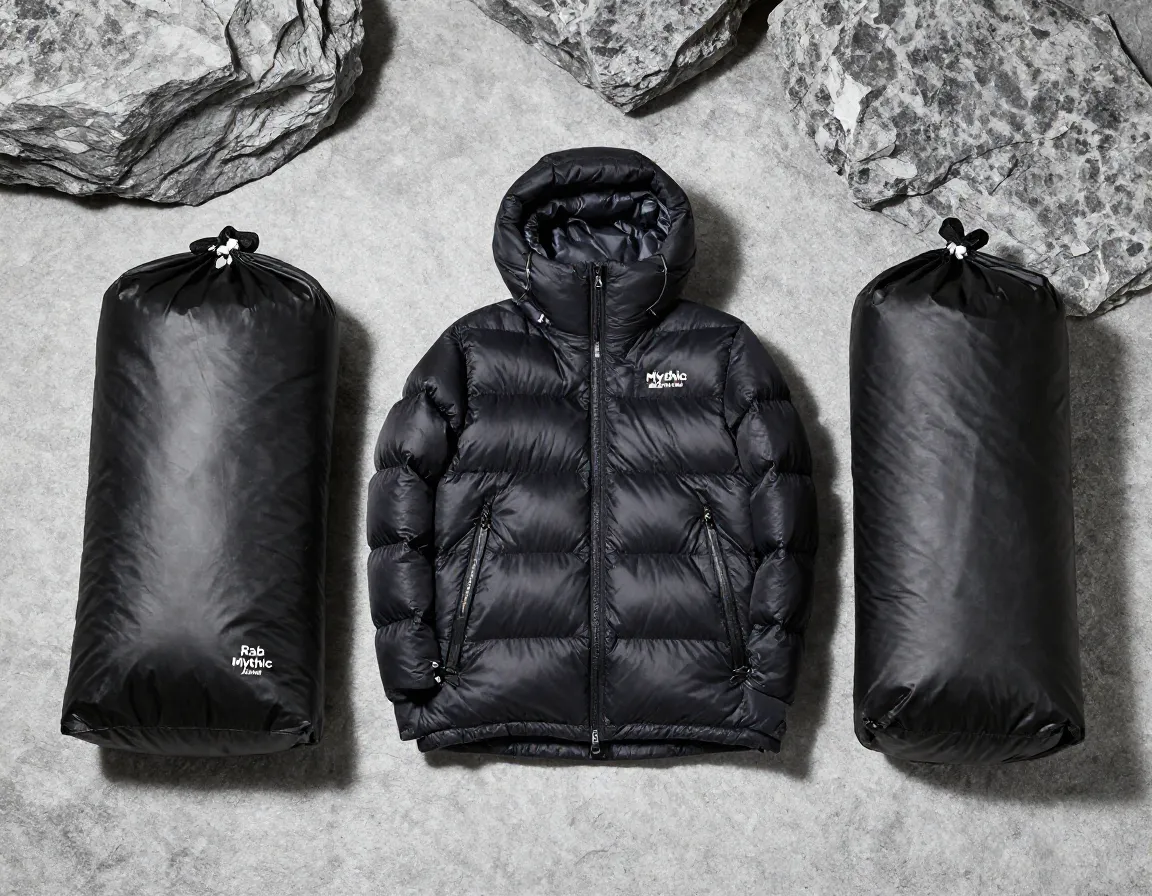
For cold-weather camping in dry alpine environments, down insulation offers an unmatched warmth-to-weight ratio. The Rab Mythic Alpine Down Jacket, featuring 900 fill power European goose down, is an excellent example of what ultralight performance looks like [2].
If you’re a backpacker counting every gram in your pack, a quality down jacket compresses into a tiny stuff sack and delivers serious warmth. Just keep it dry — store it in a waterproof bag and layer a shell over it when rain threatens.
4. Select a Waterproof Outer Shell for Exposed Camping
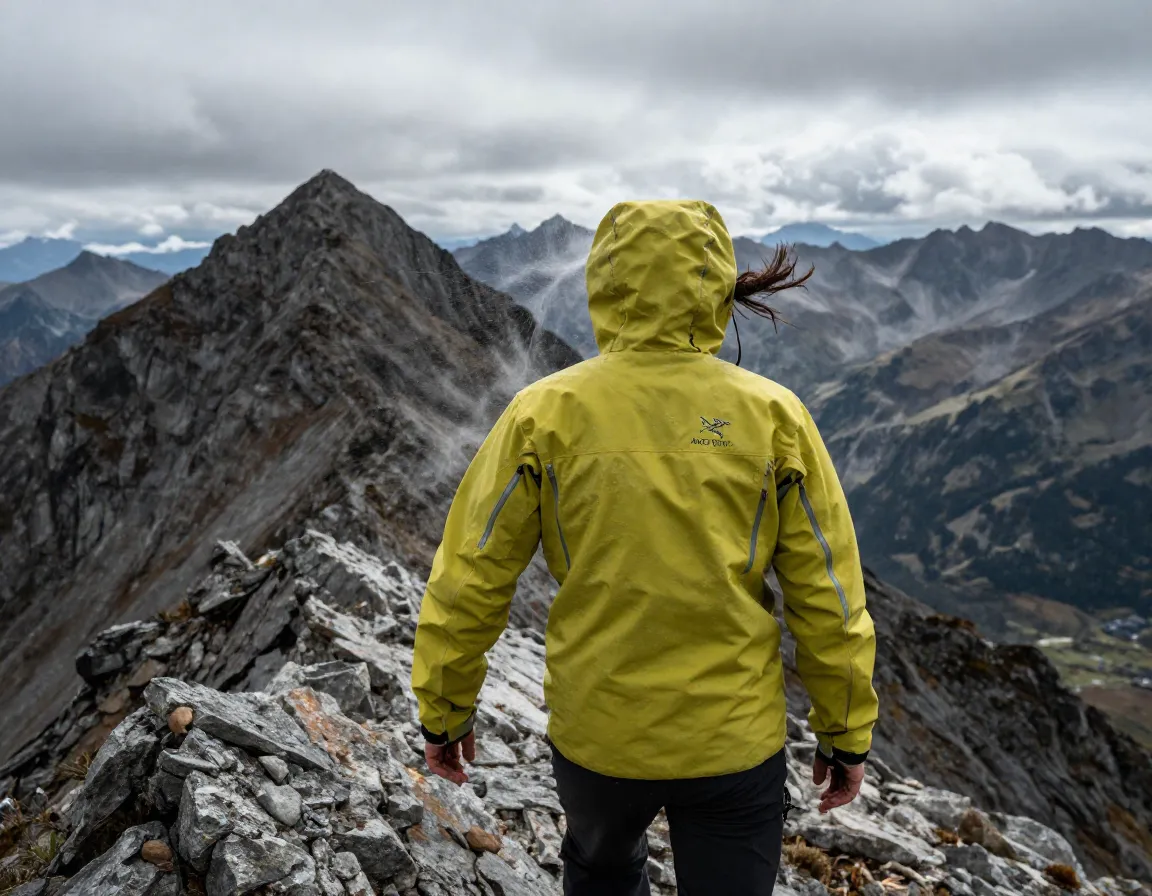
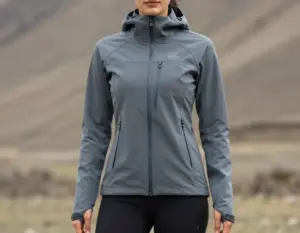
Your outer shell is your armor against wind and rain. For alpine or exposed camping, invest in a technical waterproof jacket with proven protection like GORE-TEX technology. The Arc’teryx Beta Insulated Jacket is a benchmark in this category, offering superior weather resistance without sacrificing packability [2].
What to look for in a camping shell:
- ✅ Waterproof rating of at least 10,000mm
- ✅ Breathability rating (10,000+ g/m²/24hr)
- ✅ Taped seams for full waterproofing
- ✅ Adjustable hood and cuffs
- ✅ Packable design
Even in summer, a lightweight rain shell takes up minimal space and can save your trip when afternoon storms roll in unexpectedly.
5. Wear Convertible or Layered Pants for Temperature Flexibility
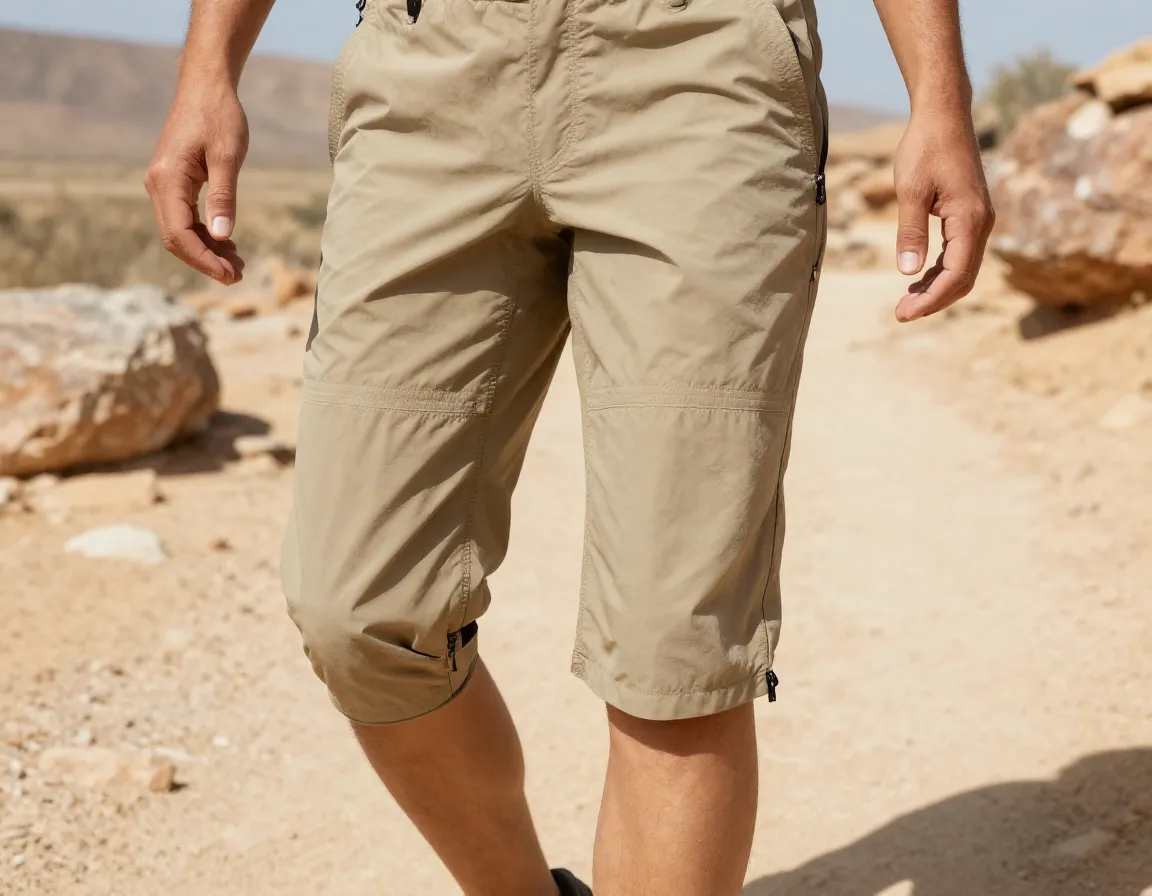
Temperatures can swing dramatically throughout a camping day — cold mornings, warm afternoons, and chilly evenings. Convertible pants solve this problem elegantly by letting you zip off the lower legs and switch between pants and shorts as needed.
The REI Sahara Convertible Pants are a popular choice, offering detachable legs, quick-dry fabric, and multiple pockets for trail essentials [3]. This single piece of clothing effectively replaces two separate items in your pack.
6. Choose Windproof Pants for Winter Camping

When temperatures drop and wind picks up, standard hiking pants won’t cut it. Windproof insulated pants with articulated knees allow full freedom of movement while keeping your legs warm and protected.
The Montane Fireball Lite Insulated Pants combine dynamic insulation with a windproof outer shell and anatomically shaped knees — ideal for active winter camping, snowshoeing, or cold-weather hiking [2].
Quick reference — pants by season:
- 🌸 Spring: Convertible pants with light insulation
- ☀️ Summer: Lightweight shorts or convertible pants
- 🍂 Fall: Softshell or fleece-lined pants
- ❄️ Winter: Windproof insulated pants
7. Include Sun-Protective Apparel in Your Kit
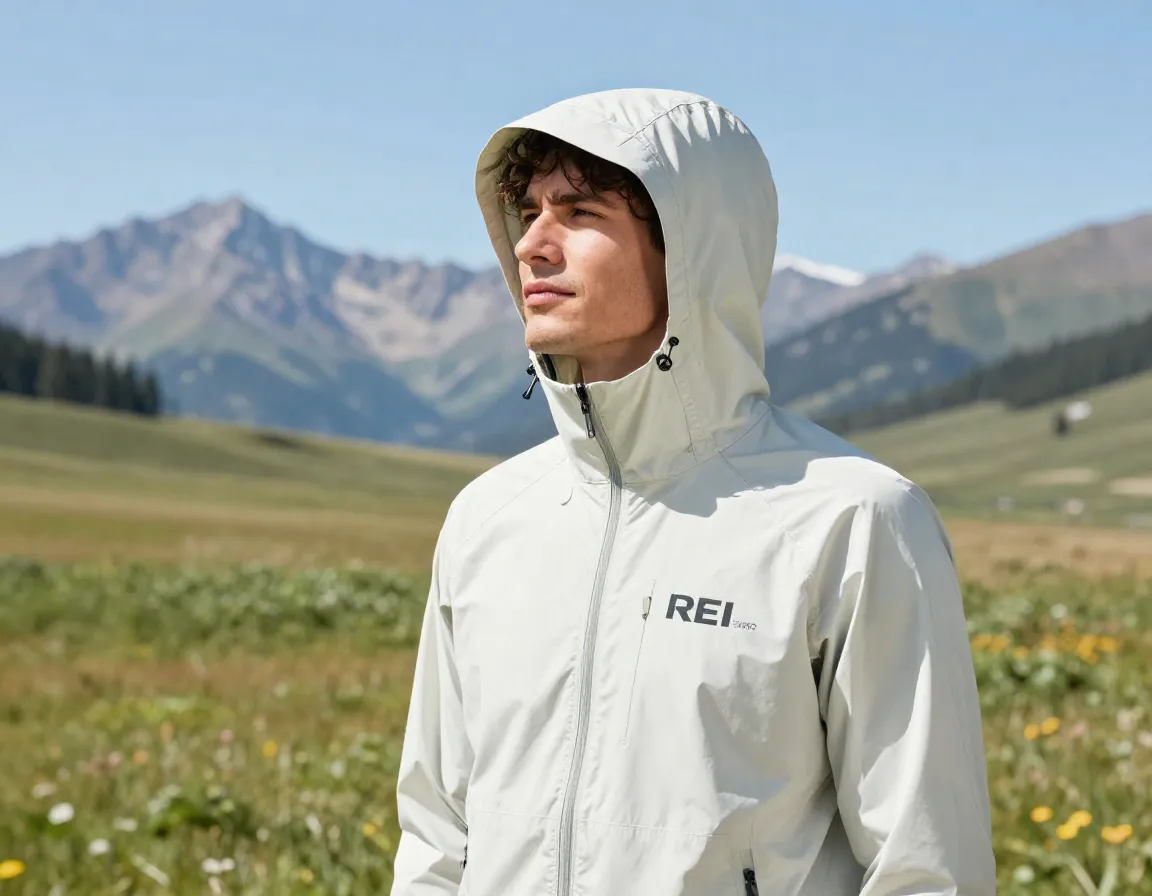
UV exposure is one of the most underestimated camping hazards, especially at elevation where the atmosphere provides less protection. Long-sleeved sun shirts and hoodies offer dual-purpose protection: shielding you from harmful UV rays while also providing a light layer of warmth during cool mornings.
The REI Sahara Hiking Hoodie is a standout option — it offers UPF 50+ protection, moisture-wicking fabric, and a packable design that works equally well as a sun shield or a light insulating layer [3].
“At 10,000 feet, UV intensity increases by roughly 25% compared to sea level — sun-protective clothing isn’t optional, it’s essential.”
8. Pack Quality Wool or Synthetic Socks
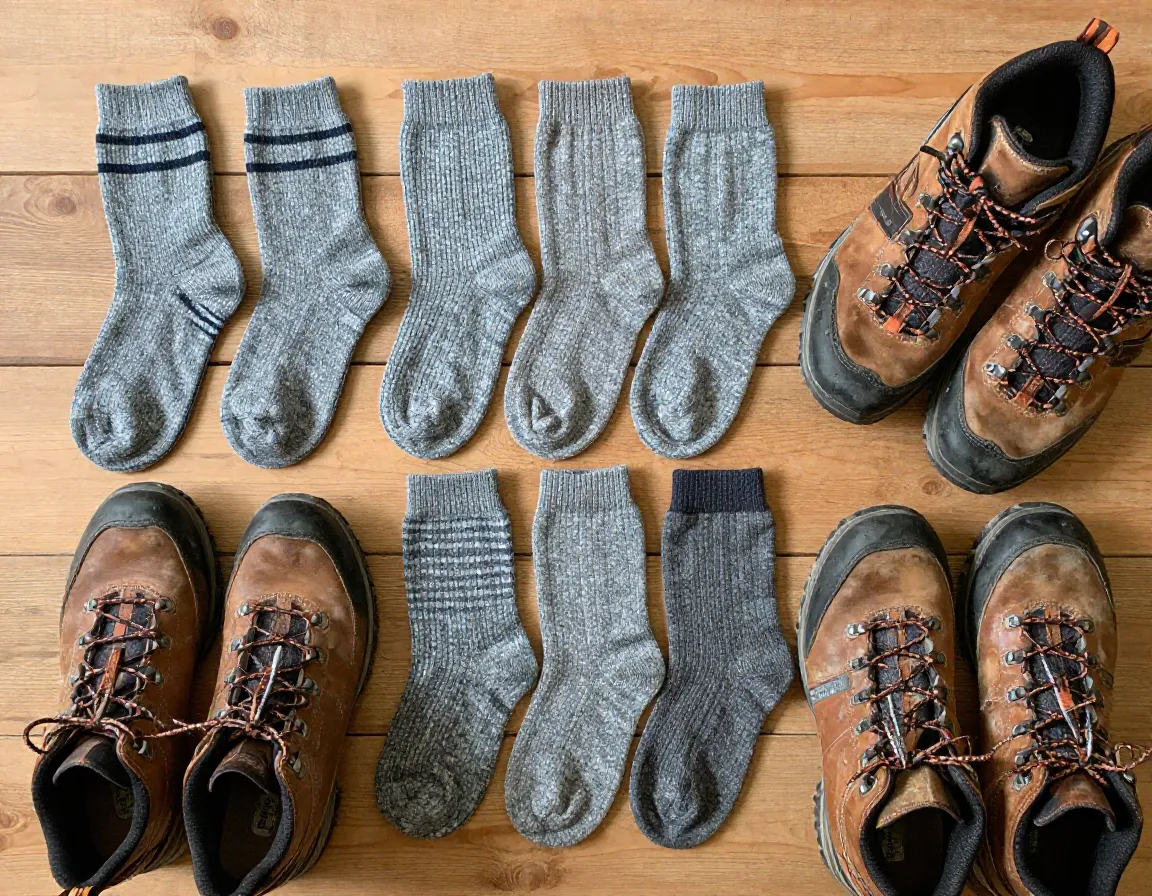
Your feet carry you everywhere on a camping trip, and neglecting your socks is one of the fastest ways to ruin a trip. Blisters, cold feet, and moisture buildup are all preventable with the right socks.
Top sock recommendations:
- Darn Tough Hiker Micro Crew Cushion Socks — lifetime guarantee, excellent cushioning [3]
- Smartwool Merino Hiking Socks — natural moisture management, temperature regulation [3]
Pack at least one fresh pair of socks per day on multi-day trips. Wet socks lead to blisters, and blisters lead to misery. It’s that simple.
9. Choose Sustainable Materials When Possible
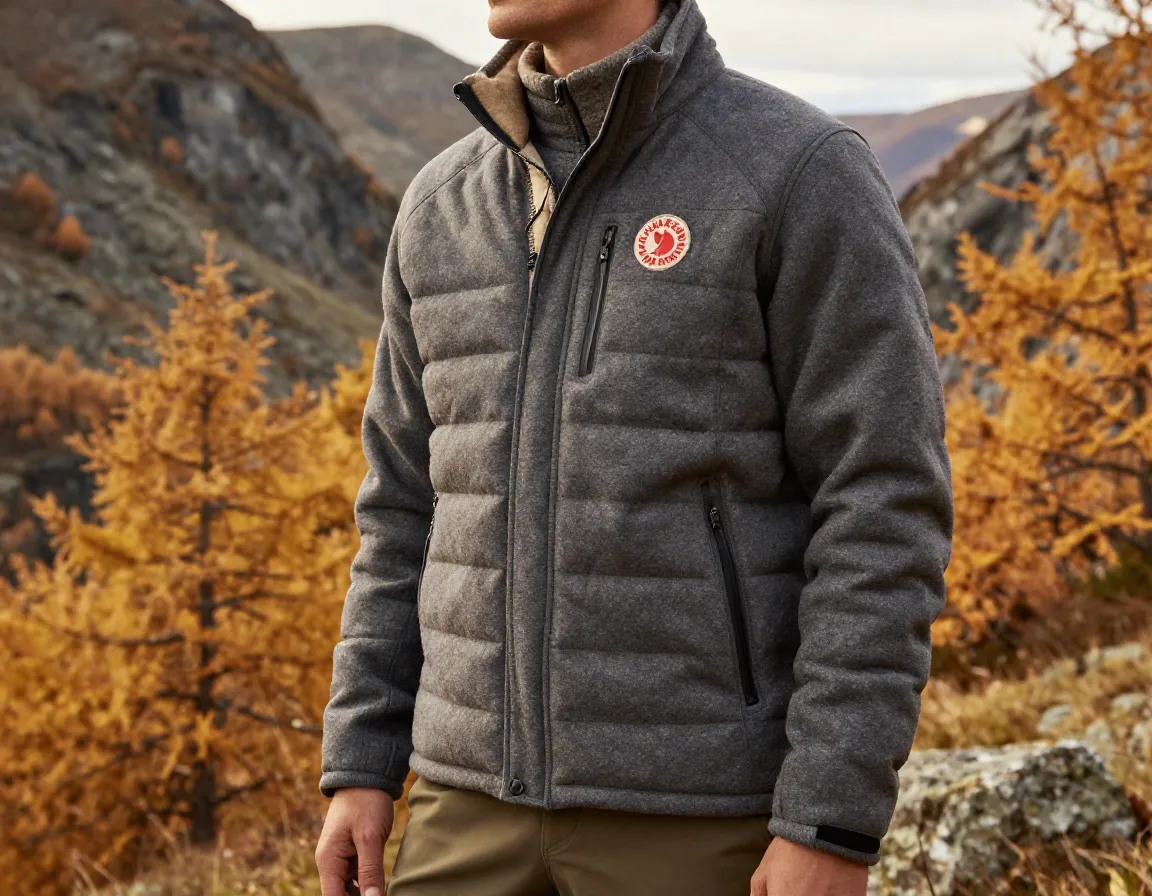
Sustainable camping clothing has come a long way. Today’s eco-friendly options match — and often exceed — the performance of conventional gear. The Fjällräven Keb Wool Padded Shirt, for example, combines Swedish wool padding with a G-1000 Eco outer shell for natural insulation, impressive durability, and a significantly lower environmental footprint [2].
Choosing sustainable materials means you’re investing in gear that lasts longer, performs better, and leaves a lighter impact on the wild places you love to visit.
Sustainable material options to look for:
- Recycled polyester fleece
- Organic or bluesign-certified merino wool
- G-1000 Eco (recycled polyester + organic cotton)
- PFC-free DWR coatings
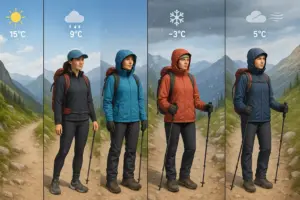
Quick-Reference: Camping Clothing by Weather Condition
| Weather | Base Layer | Mid Layer | Outer Layer | Pants |
|---|---|---|---|---|
| Hot & Sunny | Lightweight synthetic | Sun hoodie | — | Convertible/shorts |
| Cool & Dry | Merino wool | Fleece | Softshell | Hiking pants |
| Cold & Dry | Merino wool | Down jacket | Windbreaker | Insulated pants |
| Wet & Mild | Synthetic | Synthetic insulation | GORE-TEX shell | Waterproof pants |
| Cold & Wet | Merino wool | Synthetic insulation | GORE-TEX shell | Windproof pants |
Conclusion
Dressing for camping doesn’t have to be complicated, but it does require intention. The 9 expert tips on what to wear for camping in any weather outlined here give you a proven framework: start with a moisture-wicking base layer, build with the right insulation for your conditions, protect yourself with a quality outer shell, and don’t forget the details like socks and sun protection.
Your actionable next steps:
- Audit your current camping wardrobe against the layering system described above.
- Identify your most common camping environment (wet, cold, hot, alpine) and prioritize gear for those conditions.
- Replace any cotton base layers with merino wool or synthetic alternatives.
- Invest in one quality waterproof shell — it will serve you across all seasons.
- Consider sustainable materials on your next gear purchase.
The mountains, forests, and trails are waiting. Dress right, and you’ll be ready for all of it. 🏕️
References
[1] Best Backpacking Gear List – https://www.outdoorgearlab.com/topics/camping-and-hiking/best-backpacking-gear-list
[2] 9 Essential Warm Outdoor Clothing Picks For 2026 Adventures – https://outhaus.co/blog/9-essential-warm-outdoor-clothing-picks-for-2026-adventures/
[3] Best Hiking Gear – https://hikingguy.com/best-hiking-gear/