9 Essential Tips for Your Peru Machu Picchu Hike
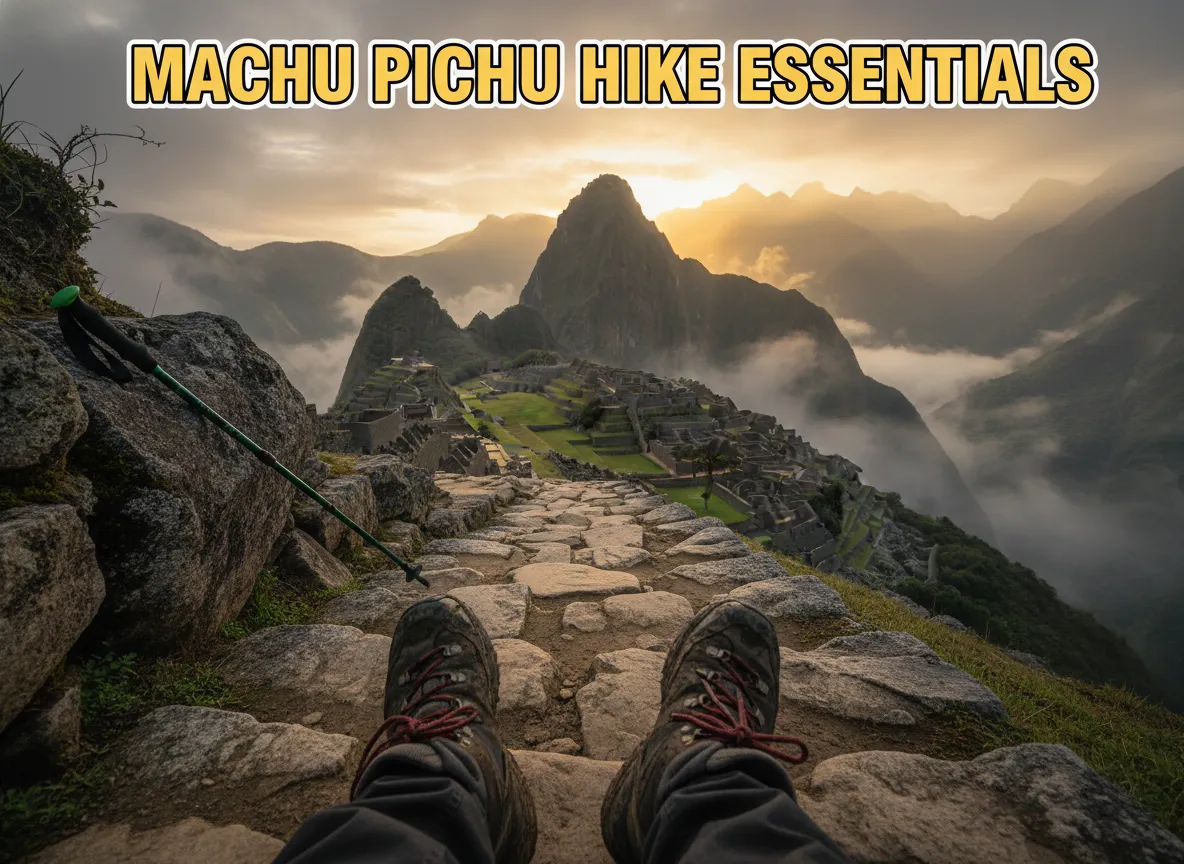
Imagine standing at the Sun Gate as golden light floods over one of the world’s most breathtaking ancient citadels — that moment is absolutely worth every step of preparation. But here’s the truth: hundreds of trekkers every year arrive underprepared, miss permit windows, or get turned away at the gate for breaking rules they never knew existed. That’s exactly why I’ve put together these 9 Essential Tips for Your Peru Machu Picchu Hike — so your journey becomes a triumph, not a cautionary tale. Whether you’re planning your first Inca Trail adventure or returning for a deeper experience in 2026, this guide covers everything you need to know before you lace up those boots.
Key Takeaways 📌
- Book permits 4–6 months in advance — Inca Trail permits sell out fast and cannot be purchased independently.
- A licensed guide is mandatory — solo hiking is strictly prohibited at Machu Picchu.
- February is off-limits — the trail closes every year for maintenance.
- Know what’s banned — drones, tripods, metal-tipped poles, and large backpacks are all prohibited.
- Follow your assigned circuit — violating site rules can result in immediate expulsion with no refund.
Planning Ahead: The First 4 of the 9 Essential Tips for Your Peru Machu Picchu Hike
Getting to Machu Picchu is a privilege, not a guarantee. The planning phase is where most trekkers either set themselves up for success or stumble before they even reach Peru.
1. Book Your Permits 4–6 Months in Advance
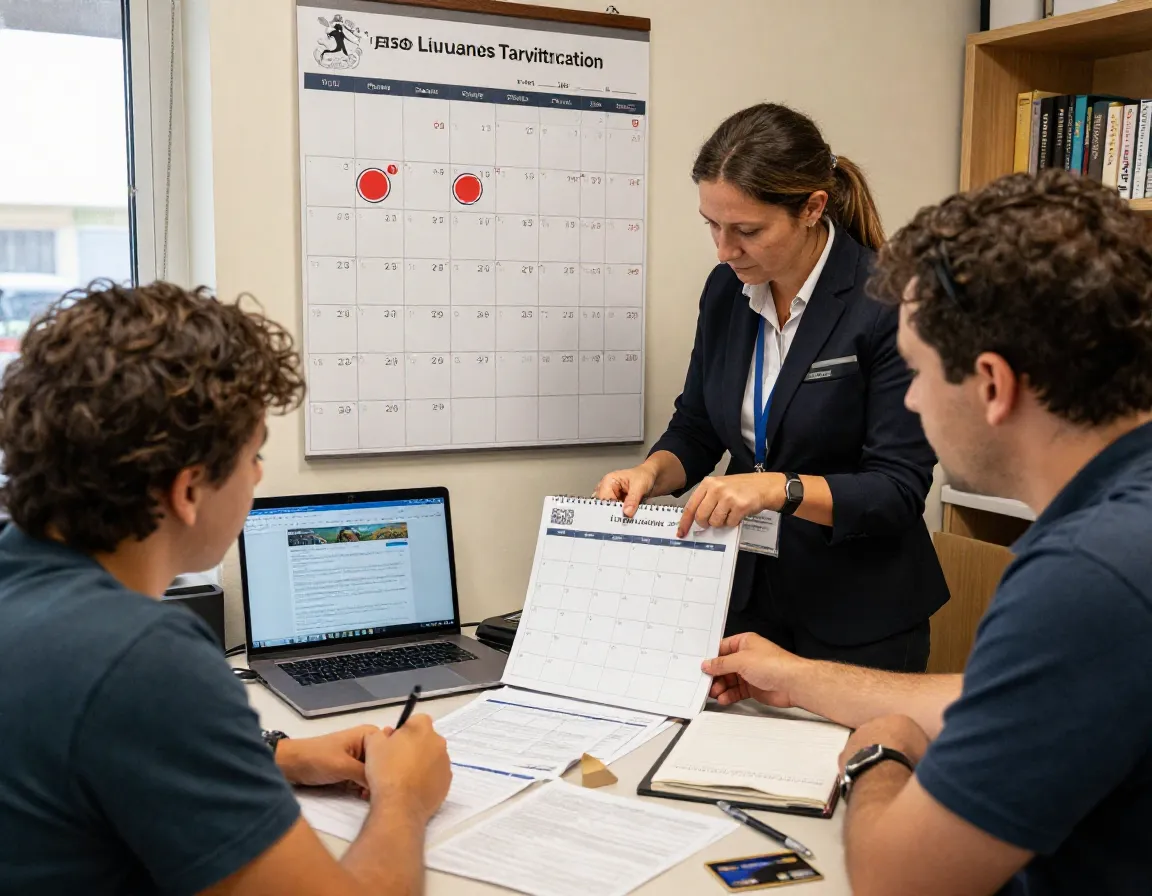
This is the single most important step. Inca Trail permits sell out months ahead, especially for the peak dry season (May through September). Only 500 total permits are issued per day — roughly 200 for trekkers and 300 for support staff — and you cannot purchase them independently. All bookings must go through an authorized tour operator licensed by Peru’s Ministry of Culture.
💡 Pro tip: Set a calendar reminder for exactly 6 months before your target start date and have your credit card ready.
Don’t wait until you’ve booked your flights. Book the permit first, then plan everything else around it.
2. Hire a Licensed, Certified Guide

Independent hiking on the Inca Trail is strictly prohibited in 2026. Every trekker must be part of a guided tour group led by a certified guide trained in:
- First aid and high-altitude emergency response
- Archaeological site interpretation
- Group safety management
Tour groups on the Inca Trail are capped at a maximum of 16 visitors, which keeps the experience intimate and manageable. When choosing an operator, ask specifically about your guide’s certifications and experience with altitude-related medical situations.
3. Avoid February — The Trail Is Closed
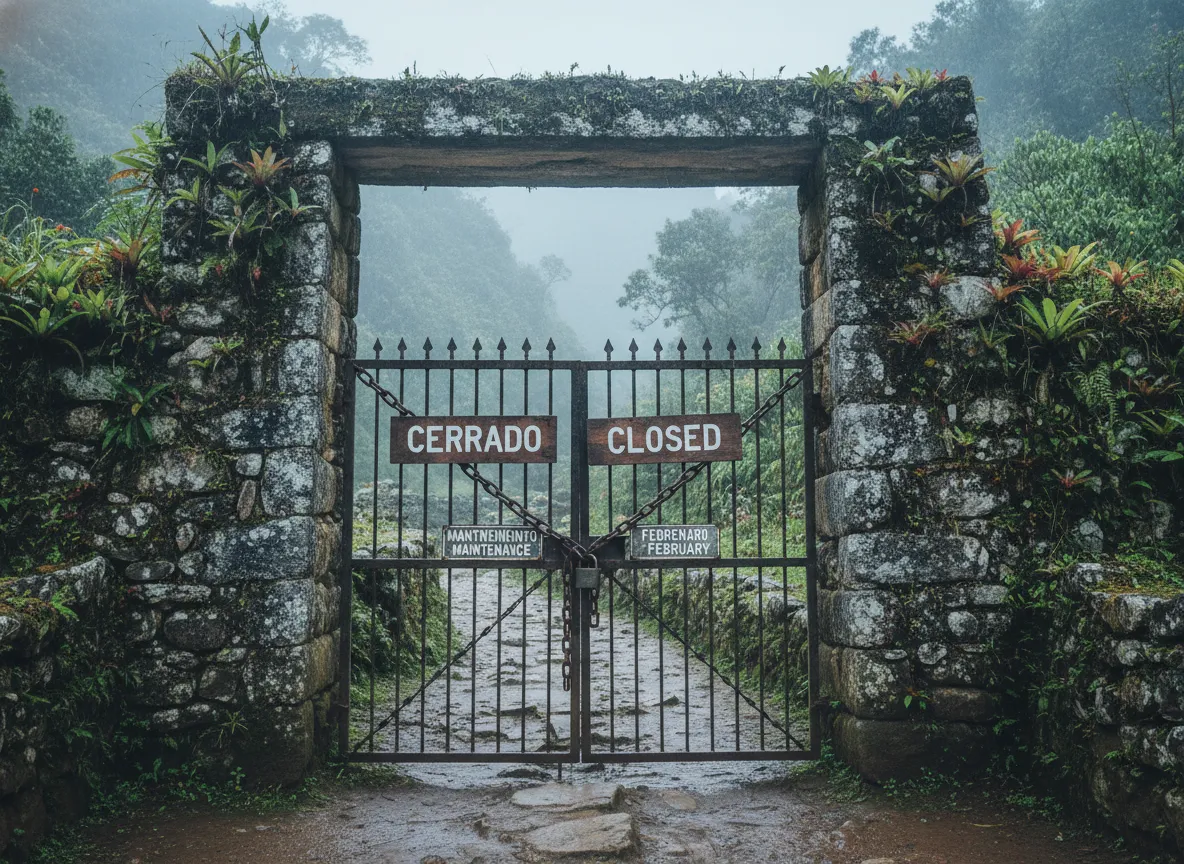
The Inca Trail shuts down every February for maintenance and environmental restoration. If you’re flexible with timing, aim for April through October for the best weather and trail conditions. November through January can be wet and muddy, but permits are easier to get. Just never plan for February — you’ll be turned away.
| Month | Trail Status | Conditions |
|---|---|---|
| February | ❌ Closed | Maintenance |
| March–April | ✅ Open | Wet/clearing |
| May–September | ✅ Open | Best/dry season |
| October–January | ✅ Open | Increasingly wet |
4. Meet the Age and Medical Requirements
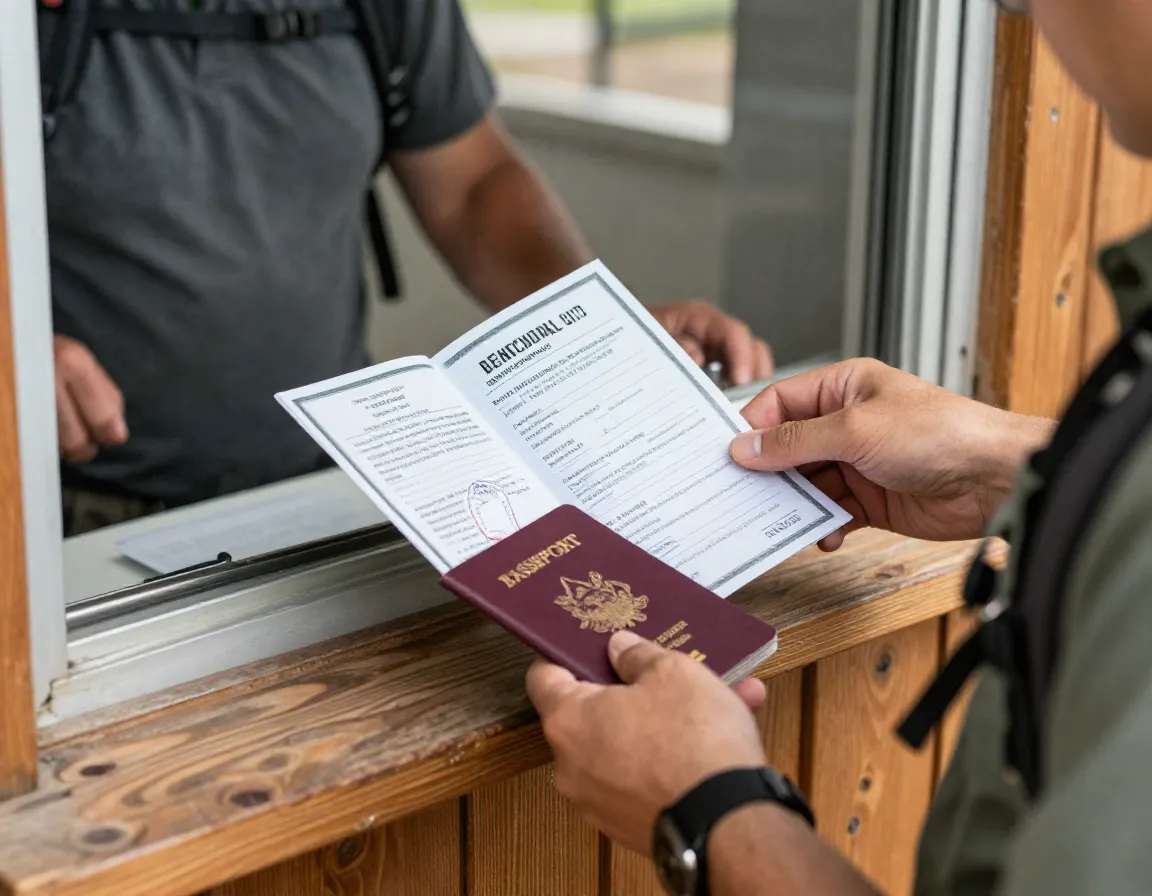
Hikers must be at least 12 years old to trek the Inca Trail. Beyond age, you’ll need:
- A medical fitness certification from your doctor
- Travel insurance that explicitly covers high-altitude trekking and emergency evacuation
Don’t treat these as formalities. The trail reaches altitudes above 4,200 meters (13,800 feet), and altitude sickness is a real risk. Spend at least 2–3 days acclimatizing in Cusco (3,400 m) before you start the trek.
On the Trail: The Next 5 of the 9 Essential Tips for Your Peru Machu Picchu Hike
Once you’ve sorted your permits and logistics, the focus shifts to what happens on the trail itself. These tips will keep you safe, compliant, and fully present for the experience.
5. Pack Smart — The Porter Weight Limit Is 14 kg

Porters are the backbone of any Inca Trail expedition, but they are legally protected from carrying more than 14 kg (about 31 pounds). This limit includes the porter’s own personal gear, so your share of that weight is even smaller.
What to prioritize packing:
- Layered clothing for cold nights and warm days
- Rain gear (even in dry season, afternoon showers happen)
- High-quality hiking boots — broken in before the trip
- Sunscreen, lip balm, and UV-protection sunglasses
- Personal medications and a basic first aid kit
Leave the heavy camera gear, extra shoes, and “just in case” items at your hotel in Cusco.
6. Know What’s Banned — The Prohibited Items List
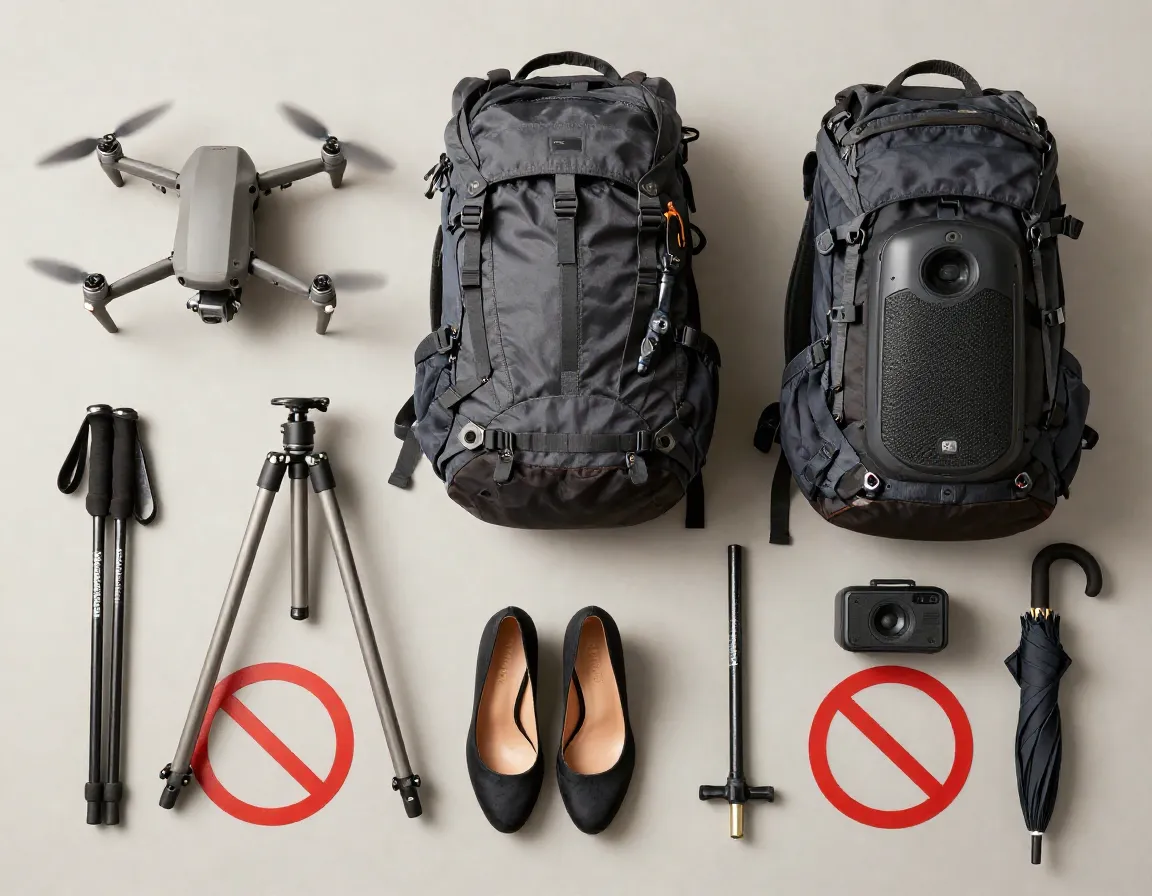
This list surprises many trekkers. The following items are forbidden at Machu Picchu:
- 🚫 Drones and tripods
- 🚫 Large backpacks (over the allowed size)
- 🚫 Sound equipment or speakers
- 🚫 Sharp objects
- 🚫 High heels
- 🚫 Umbrellas
- 🚫 Domestic animals
- 🚫 Walking sticks with metal tips (rubber tips only — and only certified medical canes are permitted for elderly or disabled visitors)
That last one catches many hikers off guard. If you rely on trekking poles, make sure they have rubber tip covers before you arrive at the citadel entrance.
7. Follow Your Assigned Circuit — No Exceptions
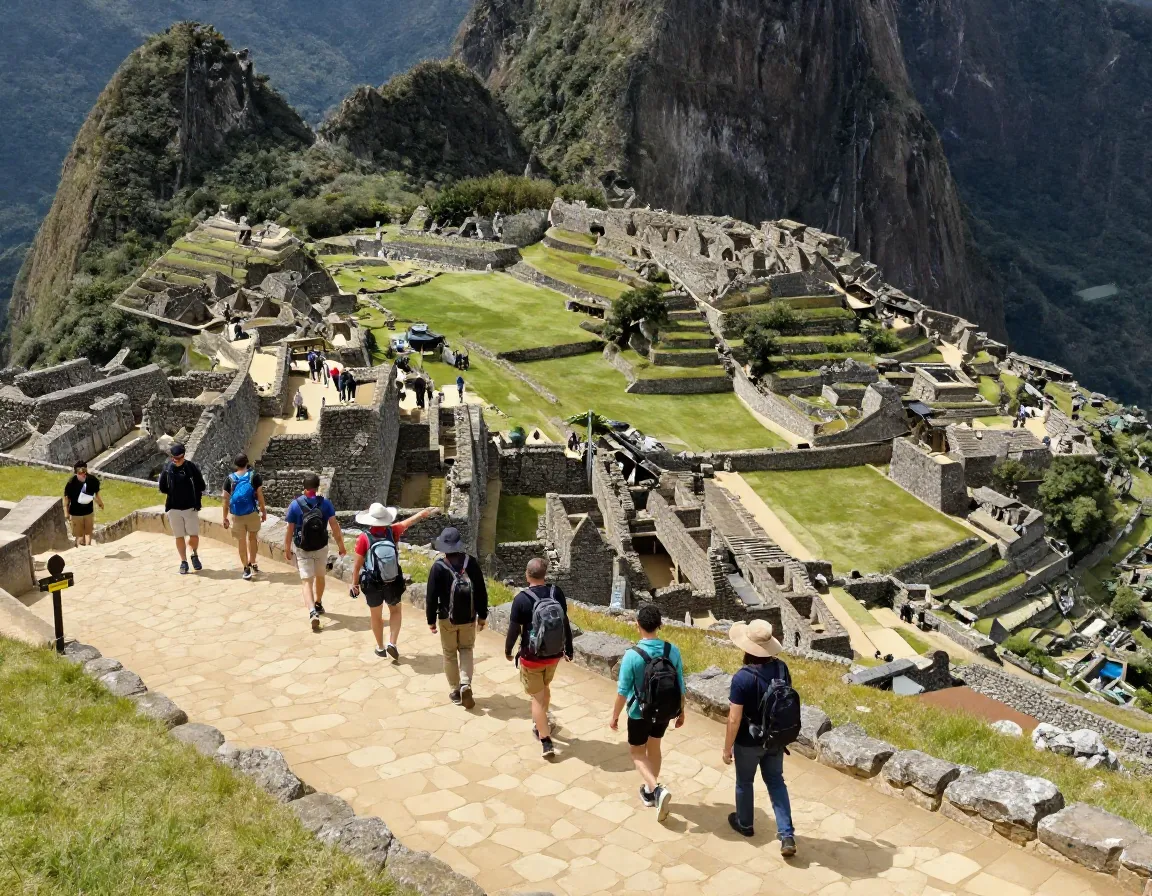
Peru’s regulations now require every visitor to follow a designated circuit through the site. These circuits were established under the “Regulation of Sustainable Use and Tourist Visits for the Conservation of Llaqta of Machu Picchu.” As of 2025, Inca Trail permits include same-day entry to Machu Picchu via Circuit 3-B, integrating your trek finish with the citadel visit.
⚠️ Leaving marked paths, entering restricted areas, or cutting across circuits can result in immediate expulsion — with no refund.
Stay on your assigned route, follow your guide’s instructions, and resist the urge to wander off for that “perfect photo angle.”
8. Respect the Mountain Summit Deadlines

If your itinerary includes Machu Picchu Mountain or Huayna Picchu, there’s a hard rule you cannot ignore: all visitors must descend from the peak by 1:00 PM. Entry and exit are logged at official checkpoints.
This deadline exists for safety — afternoon clouds reduce visibility dramatically, and the narrow stone steps become genuinely dangerous in wet conditions. Plan your summit attempt for early morning, and don’t linger past the checkpoint deadline.
9. Understand the Overnight and Behavior Rules
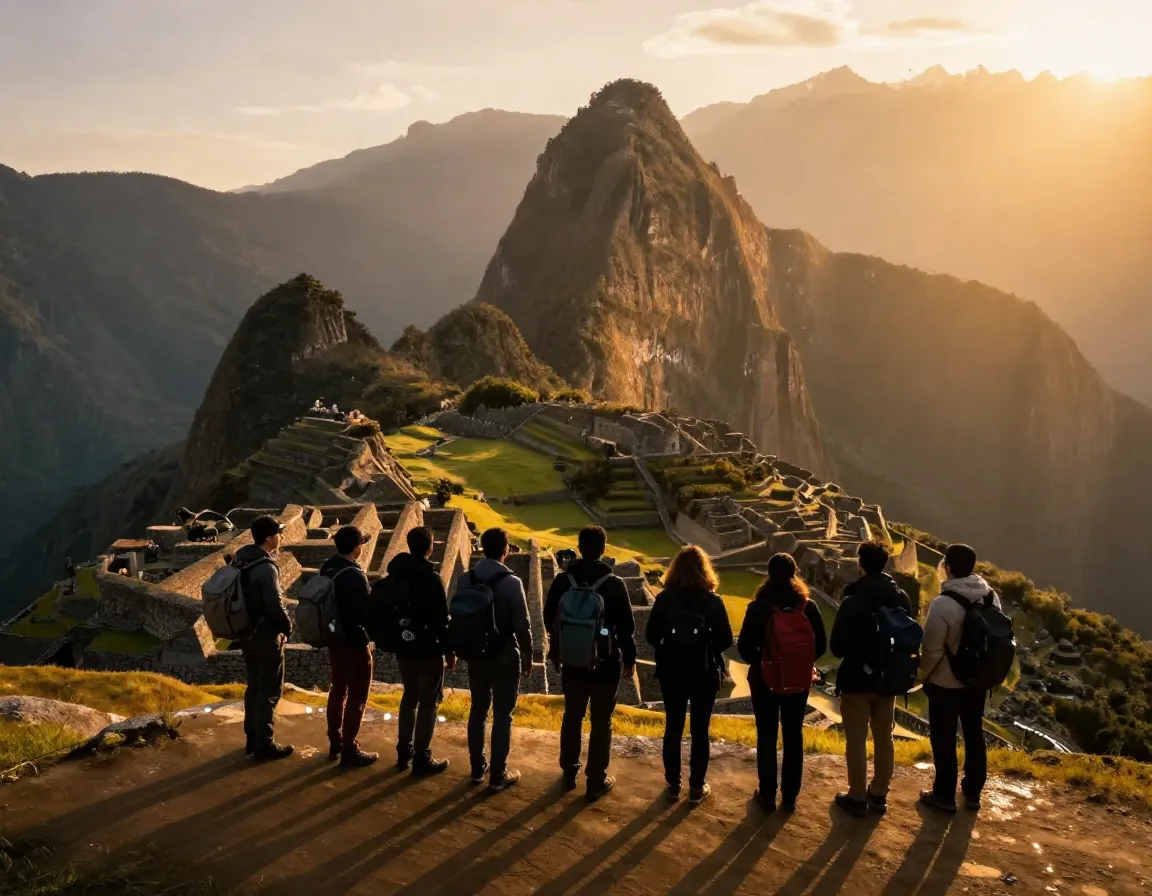
Overnight hiking is not permitted. Trail operating hours restrict all movement to daylight, with one exception: on the final morning of the classic 4-day Inca Trail, groups may depart before dawn to reach Inti Punku (the Sun Gate) for sunrise viewing of Machu Picchu — one of the most iconic moments of the entire journey.
Beyond timing, behavioral rules are strictly enforced. The following actions can result in immediate expulsion with no refund:
- Climbing on ancient structures
- Smoking anywhere on the trail or site
- Running within the citadel
- Creating excessive noise
- Removing any cultural or natural element
- Undressing or inappropriate behavior
Tour operators are held responsible for their group’s compliance, so your guide will enforce these rules firmly — and rightly so.
Conclusion: Make Your Machu Picchu Hike Unforgettable
The 9 Essential Tips for Your Peru Machu Picchu Hike covered in this guide aren’t just bureaucratic checkboxes — they’re the foundation of a safe, respectful, and genuinely transformative experience. Machu Picchu is one of humanity’s greatest treasures, and the regulations in place exist to protect it for future generations.
Your actionable next steps:
- ✅ Choose your target trekking dates and book permits through a licensed operator — today, not tomorrow.
- ✅ Schedule a pre-trip medical check and secure travel insurance with altitude evacuation coverage.
- ✅ Start a training program now — the Inca Trail involves significant elevation gain and multi-day hiking.
- ✅ Review the prohibited items list and adjust your gear accordingly.
- ✅ Plan 2–3 acclimatization days in Cusco before your trek begins.
Do the preparation right, and you’ll stand at that Sun Gate with nothing but awe — no stress, no surprises, just one of the most remarkable moments of your life. 🏔️
References
- Inca Trail Regulations and Visitor Guidelines — Peru Ministry of Culture, 2024.
- Inca Trail Permit Update: Circuit 3-B Integration — Peru Tourism Authority, 2025.
- Inca Trail Booking and Operator Requirements — Andean Travel Authority, 2024.
- Machu Picchu Site Conduct and Conservation Rules — UNESCO World Heritage Site Management Plan, 2023.