8 Warm and Safe Winter Camping Outfits for Surviving the Cold
Imagine waking up at 2 a.m. with frost forming on your sleeping bag and temperatures dropping below 10°F — the difference between a miserable night and a safe one comes down entirely to what you’re wearing. Choosing the right 8 Warm and Safe Winter Camping Outfits for Surviving the Cold is not just about comfort; it’s about survival. Whether you’re a seasoned backcountry skier or a first-time winter camper, building a smart outfit system from the ground up can make every cold-weather adventure both safer and more enjoyable in 2026.
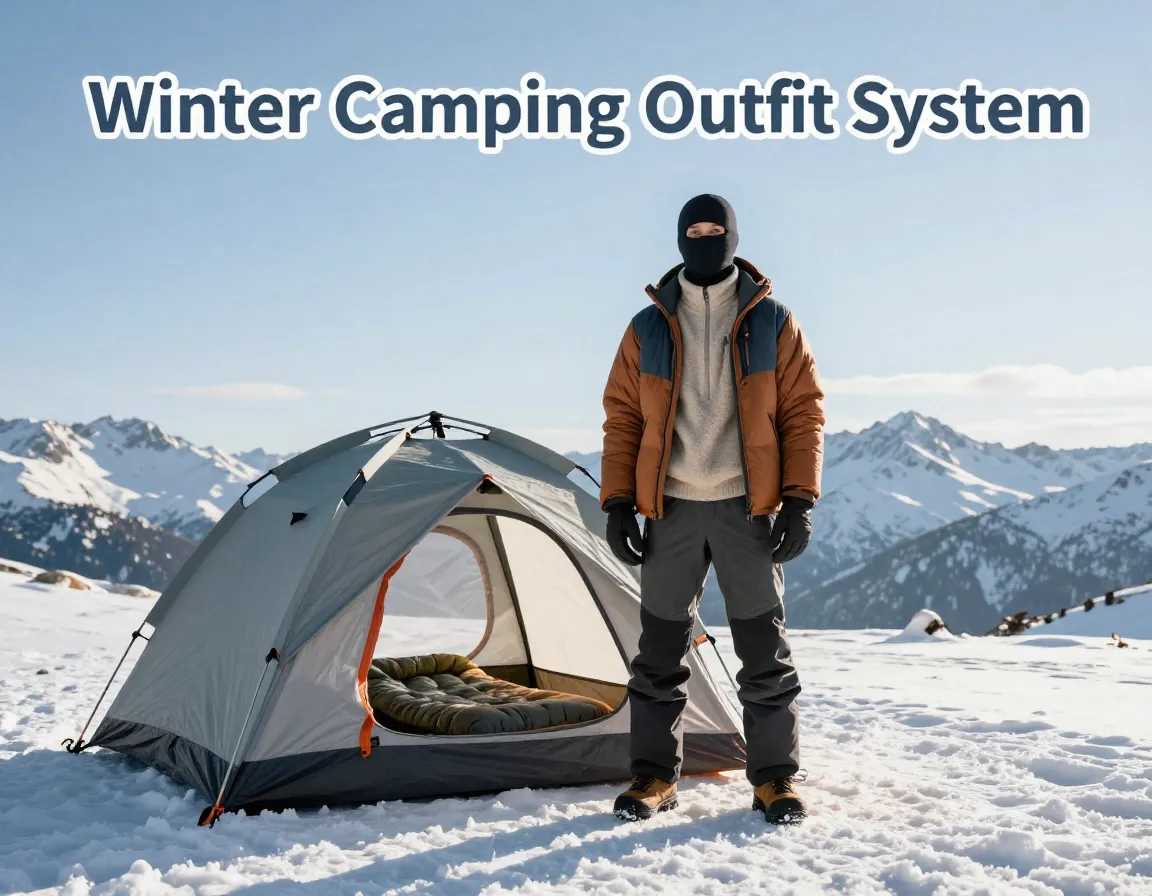
Key Takeaways 🏕️
- Layering is everything — base, mid, and outer layers each serve a critical function.
- Moisture management is as important as warmth; wet insulation loses most of its heat-retaining ability.
- Synthetic insulation outperforms down in high-contact, wet zones like knees and ankles.
- Sleep systems (quilts + pads) are part of your outfit strategy — cold ground kills warmth faster than cold air.
- Budget options exist — you don’t need to spend $500+ per layer to stay safe and warm.
Why the Right Winter Camping Outfit System Matters
Most cold-weather camping mistakes aren’t about the tent or the stove — they’re about clothing. Your body loses heat through conduction, convection, radiation, and evaporation. A well-built outfit system addresses all four. The 8 Warm and Safe Winter Camping Outfits for Surviving the Cold framework I’m sharing here is built on the classic three-layer principle, extended to cover your sleep system and shelter, because your “outfit” doesn’t stop when you crawl into your bag.
💬 “The best winter camping outfit is the one that keeps you dry from sweat on the inside and wet snow on the outside — simultaneously.”
Let’s break down each of the 8 outfit components you need to master.
The 8 Warm and Safe Winter Camping Outfits for Surviving the Cold
1. Merino Wool Base Layer (Top + Bottom)
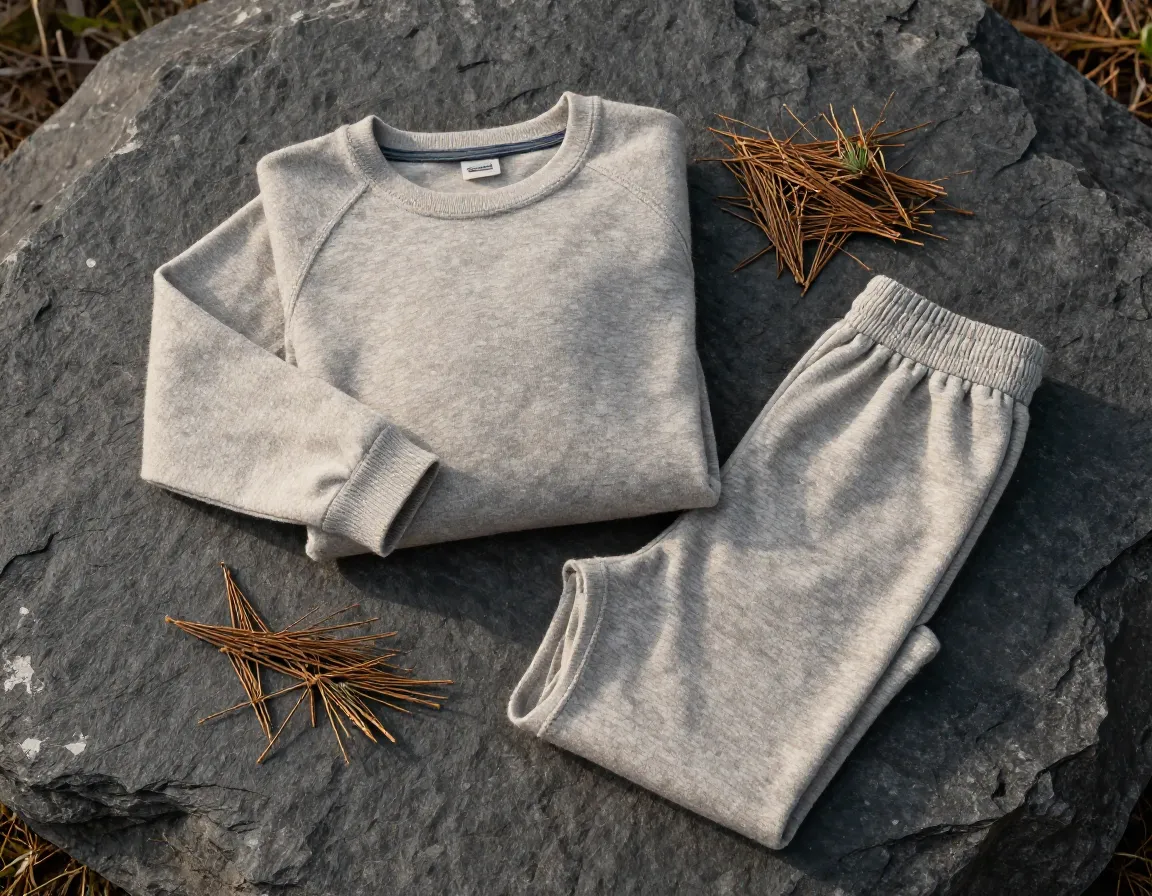
Your base layer is the foundation of every winter camping outfit. It sits directly against your skin and must do two things well: keep you warm and wick sweat away from your body.
Merino wool is the gold standard for this job [1]. Unlike cotton (which holds moisture and chills you), merino wool regulates temperature, resists odor, and stays warm even when damp. Look for a midweight merino set (200–250 gsm) for most winter camping conditions.
| Feature | Merino Wool | Synthetic | Cotton |
|---|---|---|---|
| Moisture wicking | ✅ Excellent | ✅ Good | ❌ Poor |
| Warmth when wet | ✅ Yes | ✅ Yes | ❌ No |
| Odor resistance | ✅ Natural | ❌ Limited | ❌ Limited |
| Price | 💲💲💲 | 💲💲 | 💲 |
Top pick: Any midweight merino set from Smartwool or Icebreaker works well for most campers.
2. Fleece Mid-Layer (Jacket + Pants)
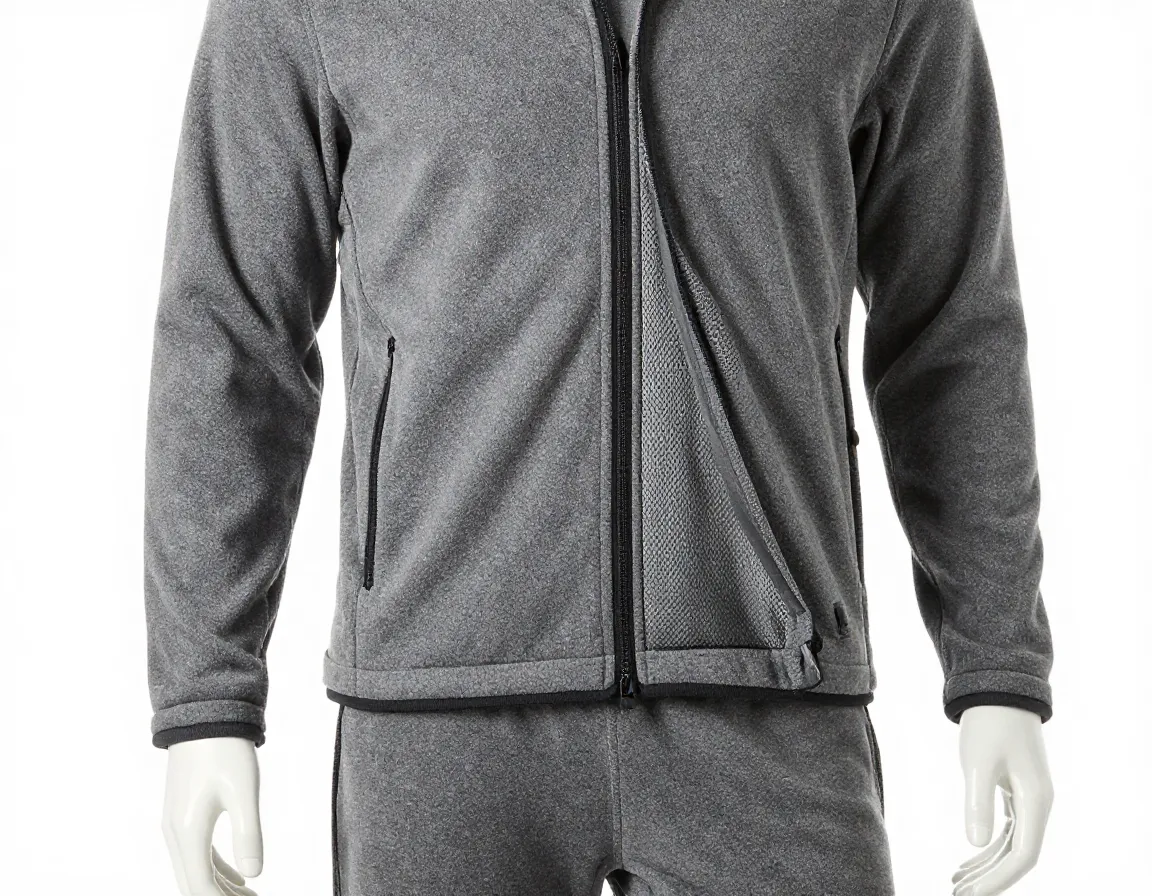
Once your base layer is locked in, you need a fleece mid-layer to trap body heat [1]. Fleece is breathable, dries fast, and adds significant warmth without bulk. Mesh-backed fleece sweaters and pants are particularly useful because they allow moisture to escape from your base layer while still insulating effectively [2].
A full fleece set — jacket and pants — gives you maximum flexibility. On warmer winter days, you can drop the shell and hike in just your fleece. On bitter nights, it becomes your critical middle layer between your base and your insulated outer.
Pro tip: 🧥 Choose a fleece with a full zipper so you can ventilate quickly during high-output activities like snowshoeing or climbing.
3. Insulated Down Jacket
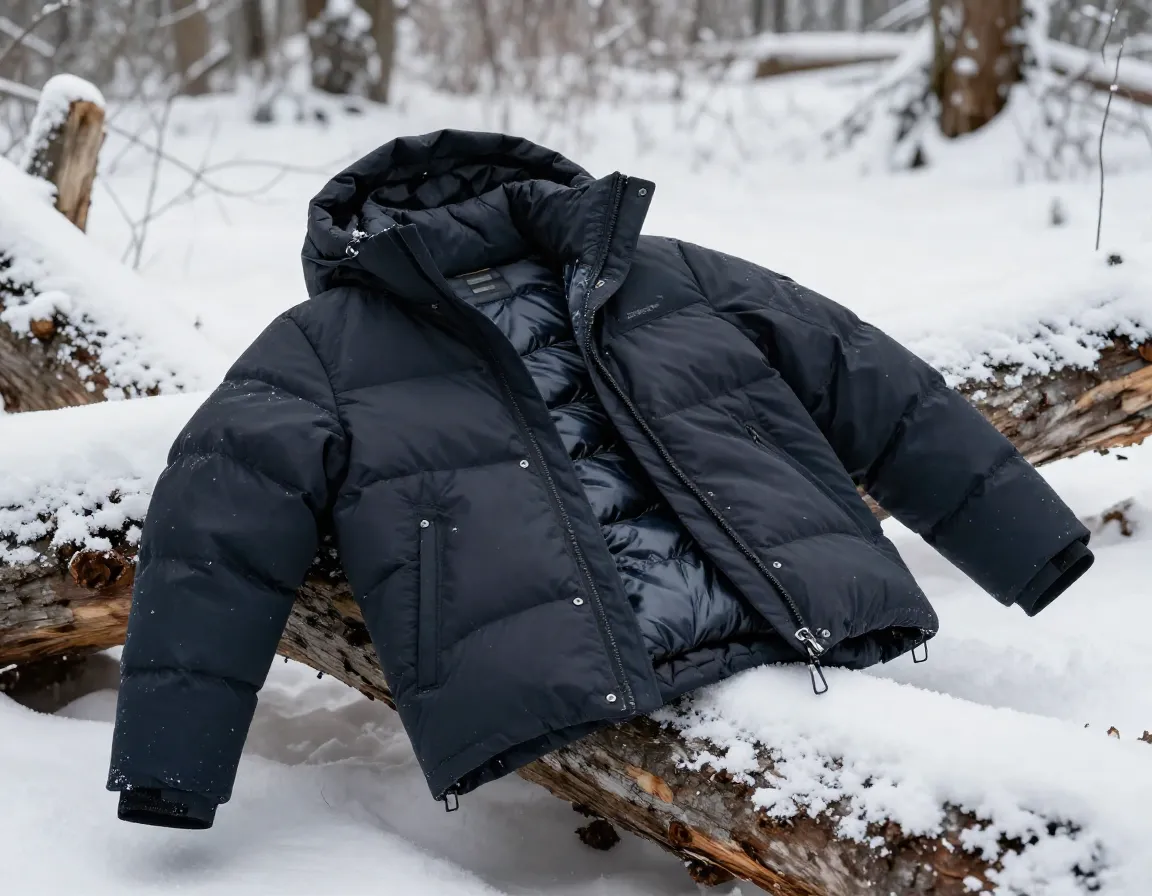
This is the layer most people get right — and then overspend on. An insulated down jacket is your primary warmth layer when you stop moving. The key metric is fill power: higher fill power means lighter, warmer down.
The Rab Mythic Ultra (18.9 oz, $495) is one of the top performers on the market, featuring 900 fill power down and a thermal reflective lining that adds extra insulation without extra weight [1]. It offers one of the highest warmth-to-weight ratios available in 2026.
If your budget doesn’t stretch to $495, the Decathlon Down Parka performs nearly as well at a fraction of the cost [2]. It’s proof that you don’t need to spend premium prices to stay warm.
💬 “Fill power matters, but fit matters just as much — a poorly fitted jacket loses heat at every gap.”
4. Synthetic Insulated Pants
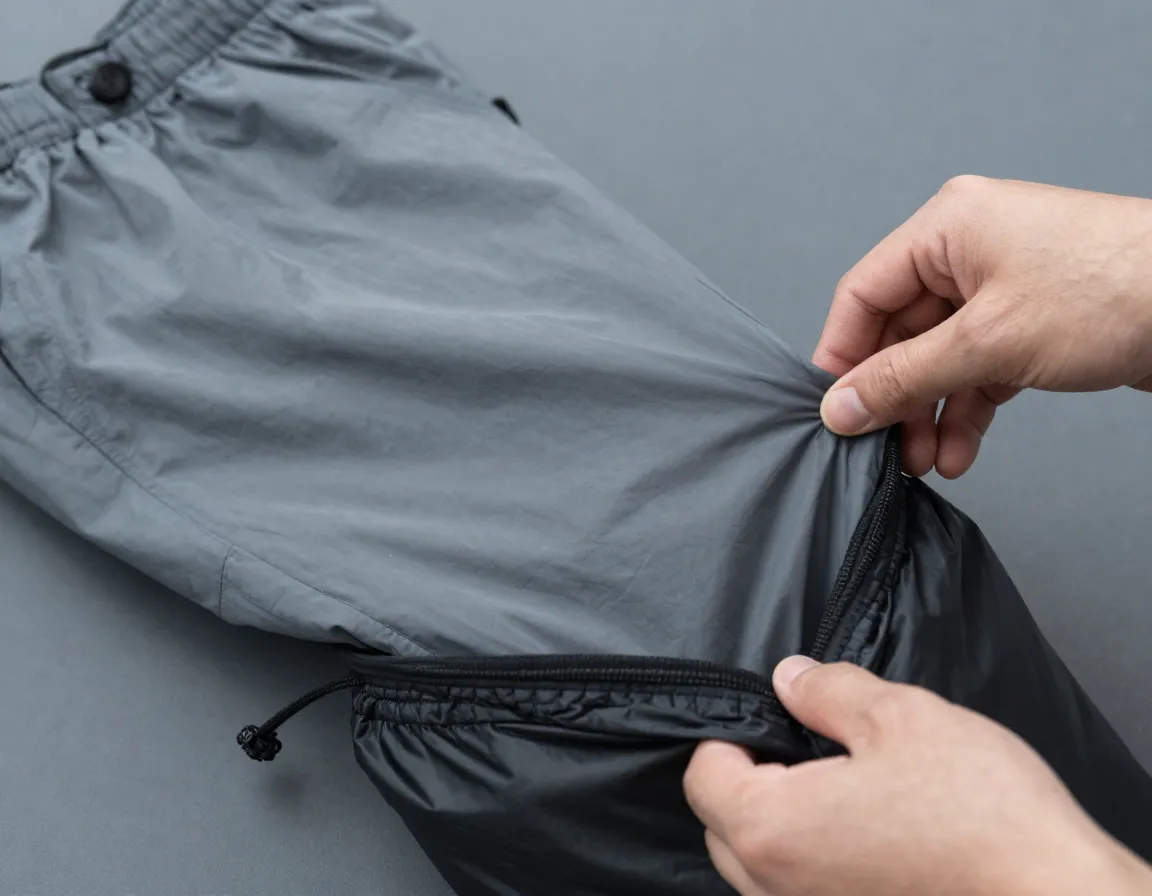
Most people skip insulated pants. That’s a mistake. Synthetic insulated pants are essential for cold camps, rest breaks, and sleeping in extreme conditions.
Why synthetic over down for pants? Because your knees and ankles frequently contact wet snow, and synthetic insulation retains warmth even when wet — down does not [1]. The Enlightened Equipment Torrid Pants (5.9 oz) are a standout option: ultralight, packable, and moisture-resistant where it counts most [1].
Key benefits of synthetic insulated pants:
- ✅ Retain warmth when damp
- ✅ Lighter than most down pants
- ✅ Packable into a small stuff sack
- ✅ Ideal for high-contact snow zones
5. Waterproof Shell (Jacket + Pants)
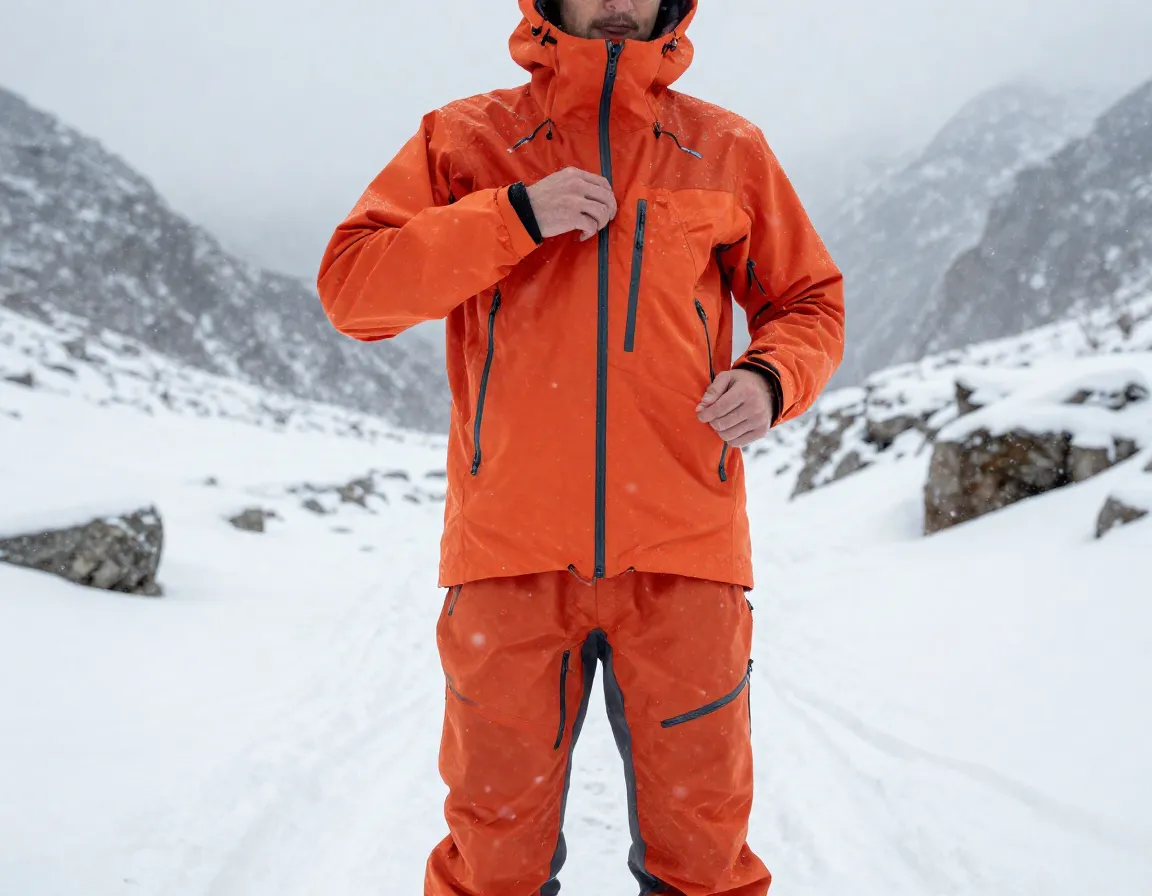
Your outer shell is your armor against wind, snow, and rain. It doesn’t need to be insulated — that’s what your mid-layers are for. A good shell needs to be waterproof, windproof, and breathable.
Look for a shell with taped seams, a helmet-compatible hood, and pit zips for ventilation. For pants, full side zips allow you to put them on over boots without removing crampons or snowshoes — a small detail that matters enormously in the field.
Shell checklist:
- Waterproof rating: 20,000mm+ HH
- Breathability: 20,000 g/m²/24h+
- Pit zips on jacket ✅
- Full side zips on pants ✅
- Taped seams ✅
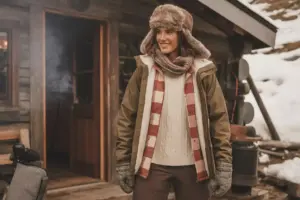
6. Extremity Protection (Hat, Balaclava, Gloves, Socks, Gaiters)
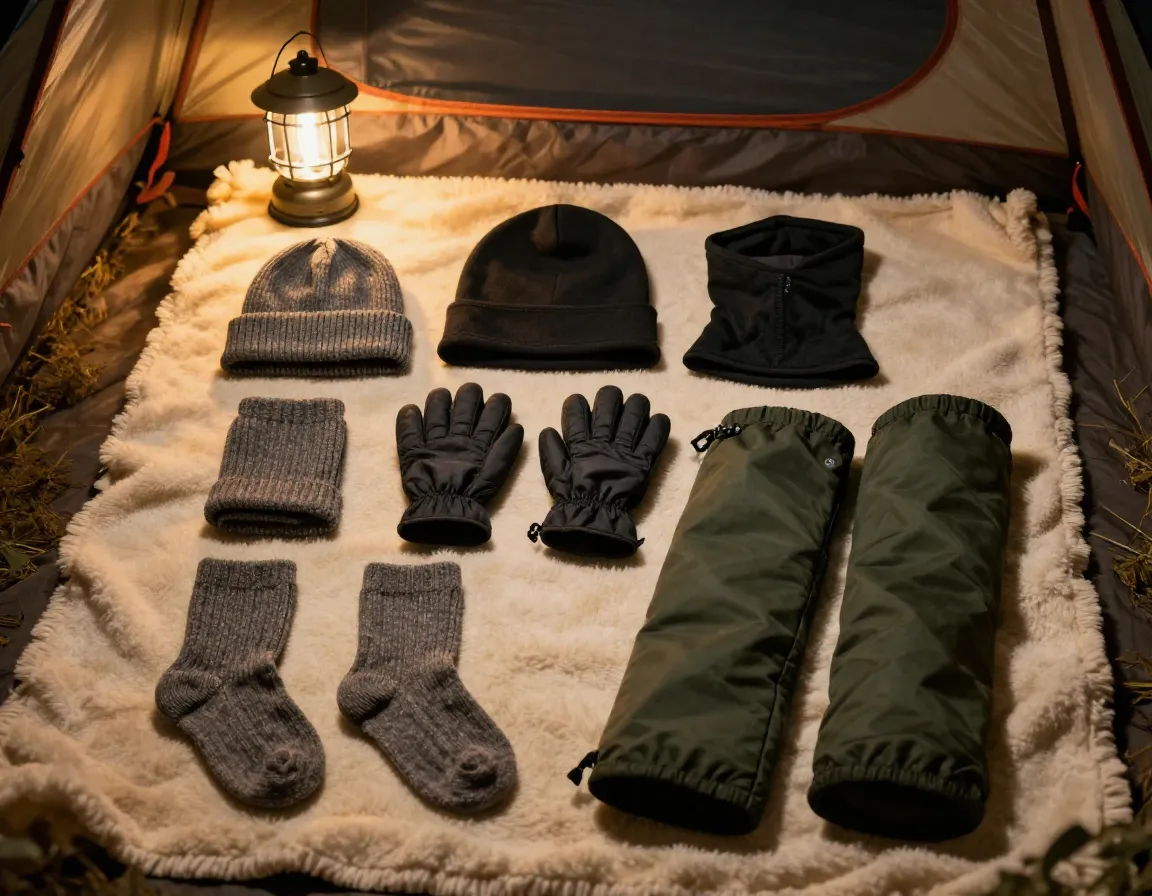
You can have the best jacket in the world and still get frostbite if your extremities are unprotected. This outfit component covers your head, hands, and feet — the three zones where heat escapes fastest.
Essential extremity gear:
- 🧤 Gloves: A liner glove inside a waterproof mitten system gives you dexterity and warmth.
- 🧢 Balaclava: Covers your face, neck, and head in one piece — critical below 15°F.
- 🧦 Merino wool socks: Two pairs; one to wear, one drying.
- 👢 Gaiters: Keep snow out of your boots and protect your lower legs.
Don’t skimp here. More winter camping emergencies are caused by cold hands and wet feet than any other clothing failure.
7. Sleep System — Quilt + Sleeping Pad
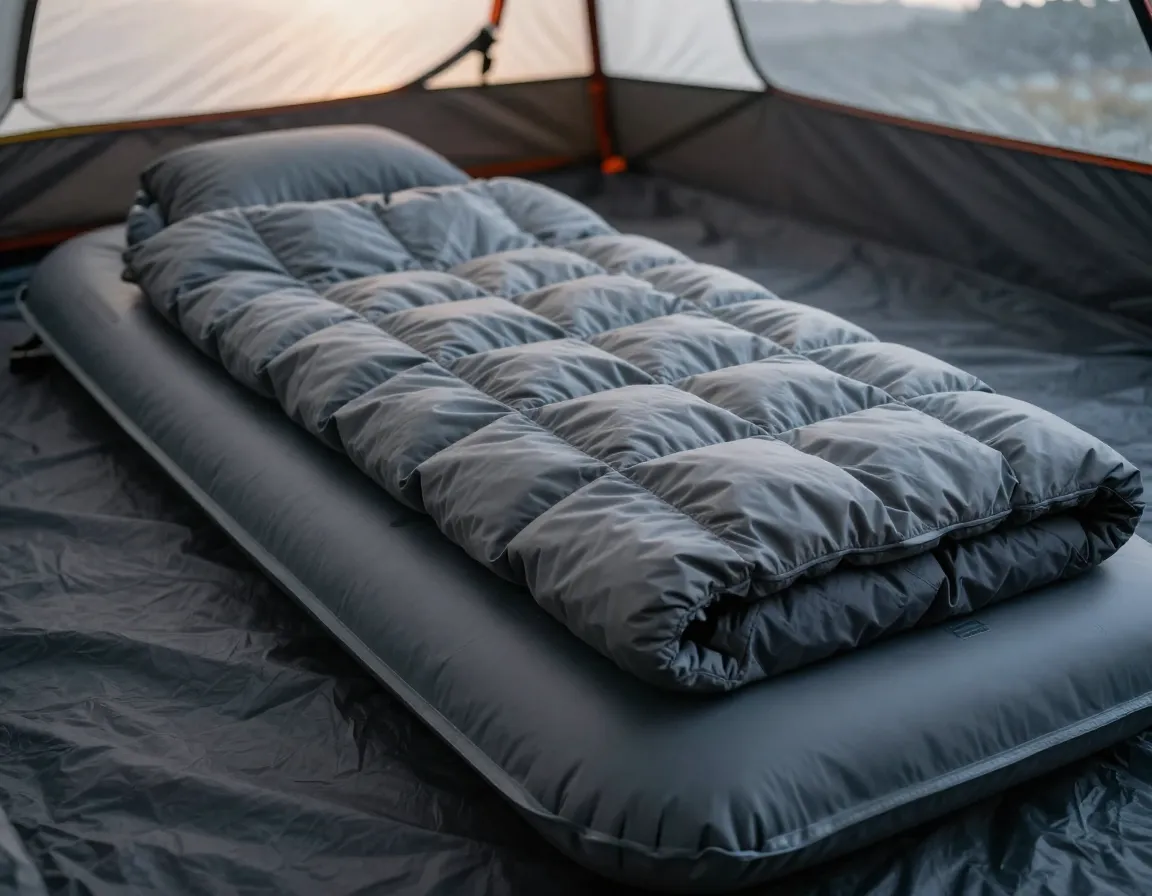
Your sleep system is part of your outfit. Cold ground conducts heat away from your body far faster than cold air, which is why your sleeping pad’s R-Value matters as much as your quilt’s temperature rating.
Best-in-class options for 2026:
| Gear | Weight | R-Value / Fill | Price |
|---|---|---|---|
| Enlightened Equipment Enigma 0 Quilt | 25.1 oz | 950 FP down | $550 |
| NEMO Tensor Extreme Conditions Pad | 17 oz | R-8.5 | ~$250 |
| Sea to Summit Ether Light XR Pro | 19.8 oz | R-6.9 | $229 |
The Enlightened Equipment Enigma 0 features U-shaped baffles that prevent down from shifting and a sewn footbox for maximum warmth retention — the best warmth-to-weight ratio in its class [1]. The NEMO Tensor Extreme Conditions pad delivers the highest R-Value (8.5) of any inflatable pad on the market, keeping you insulated from the frozen ground [1]. The Sea to Summit Ether Light XR Pro (new for 2025) offers a slightly more comfortable sleeping surface with excellent all-around performance [1].
8. Shelter System — 4-Season Tent or Roof Top Tent
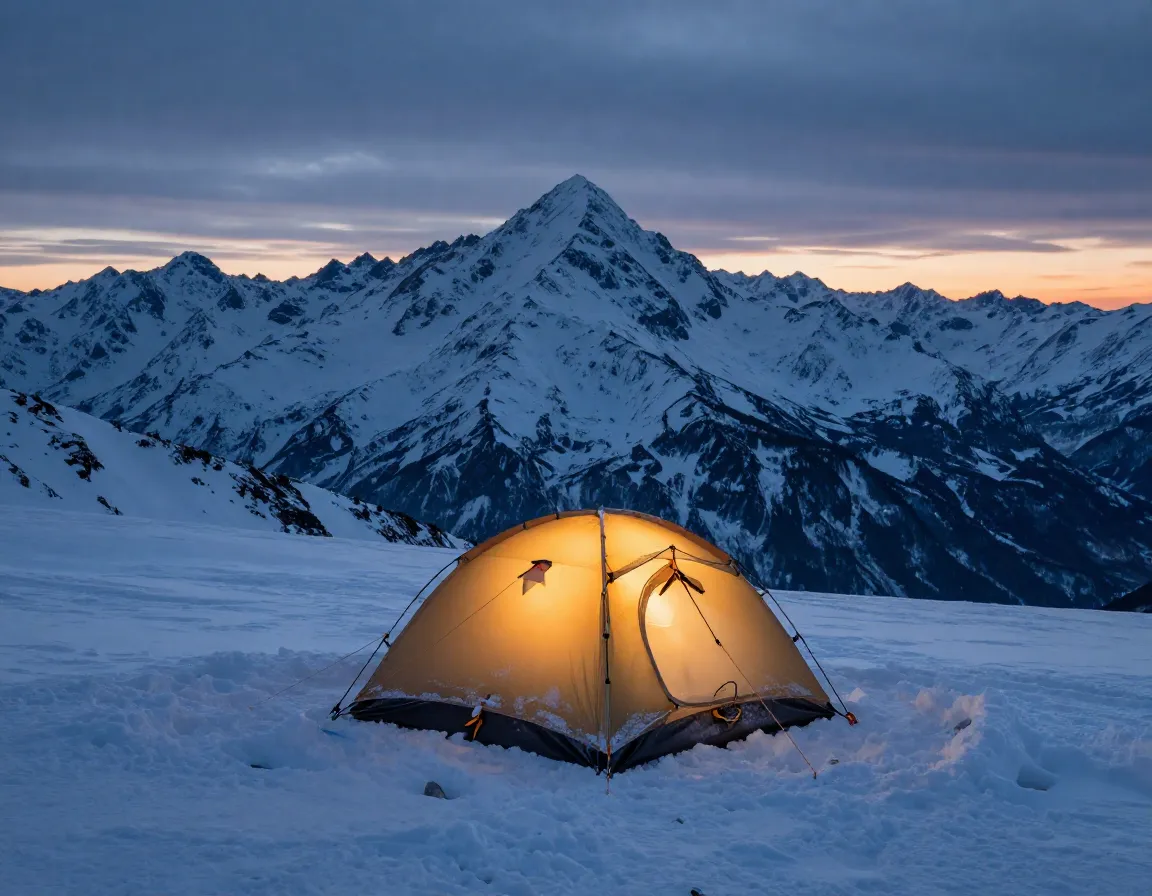
Your shelter is the final layer of your winter camping outfit system. It must handle wind, snow load, and condensation without failing at 3 a.m.
For backpackers, the SlingFin CrossBow (67 oz, $790) is rated as the best all-around 4-season shelter, with a spacious interior, large vestibules, and exceptional storm resistance [1]. For extreme wind conditions, the SlingFin WindSaber (80 oz, $975) offers superior strength-to-weight performance [1].
For overlanders and car campers, the iKamper Skycamp 3.0 hardshell rooftop tent sets up in under 60 seconds, includes built-in insulation, and provides excellent wind protection [3]. The Tuff Stuff Alpha series offers similar insulated hardshell construction at a more accessible price point [3].
💬 “A 4-season shelter doesn’t just protect you from snow — it’s the final insulating layer of your entire outfit system.”
Quick Reference: Complete Winter Camping Outfit System
| # | Outfit Component | Key Feature | Budget Option |
|---|---|---|---|
| 1 | Merino Wool Base Layer | Moisture wicking + warmth | Decathlon merino sets |
| 2 | Fleece Mid-Layer | Breathable insulation | Patagonia R1 alternatives |
| 3 | Insulated Down Jacket | High fill power | Decathlon Down Parka |
| 4 | Synthetic Insulated Pants | Moisture-resistant warmth | EE Torrid Pants |
| 5 | Waterproof Shell | Wind + water protection | Outdoor Research Foray |
| 6 | Extremity Protection | Head, hands, feet | Any merino + mitten combo |
| 7 | Sleep System | Quilt + high R-Value pad | Budget quilts + foam pad |
| 8 | Shelter System | 4-season rated | Tuff Stuff Alpha RTT |
Conclusion: Gear Up and Get Out There ❄️
Building the right 8 Warm and Safe Winter Camping Outfits for Surviving the Cold doesn’t happen by accident — it takes intentional layering, smart material choices, and a willingness to invest in the right pieces. Start from the skin out: merino base, fleece mid, insulated down jacket, synthetic pants, waterproof shell, and solid extremity protection. Then extend that thinking to your sleep system and shelter.
Your actionable next steps:
- Audit your current gear — identify which of the 8 layers you’re missing.
- Prioritize your base layer and sleep system first — these have the highest impact on safety.
- Test your full outfit system on a short overnight trip before committing to a multi-day winter expedition.
- Consider budget alternatives like the Decathlon Down Parka before assuming premium prices are required.
- Never skip extremity protection — it’s the most overlooked and most dangerous gap in most winter campers’ kits.
Winter camping is one of the most rewarding outdoor experiences available. With the right outfit system, the cold becomes manageable — even beautiful. 🏔️
References
[1] Winter Backpacking Gear – https://www.adventurealan.com/winter-backpacking-gear/
[2] Watch – https://www.youtube.com/watch?v=apMLKUJ2WuE
[3] The Ultimate Winter Camping Overlanding Guide – https://offroadtents.com/blogs/news/the-ultimate-winter-camping-overlanding-guide