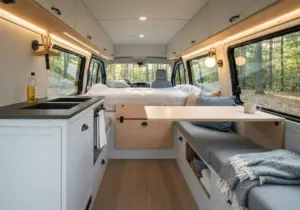
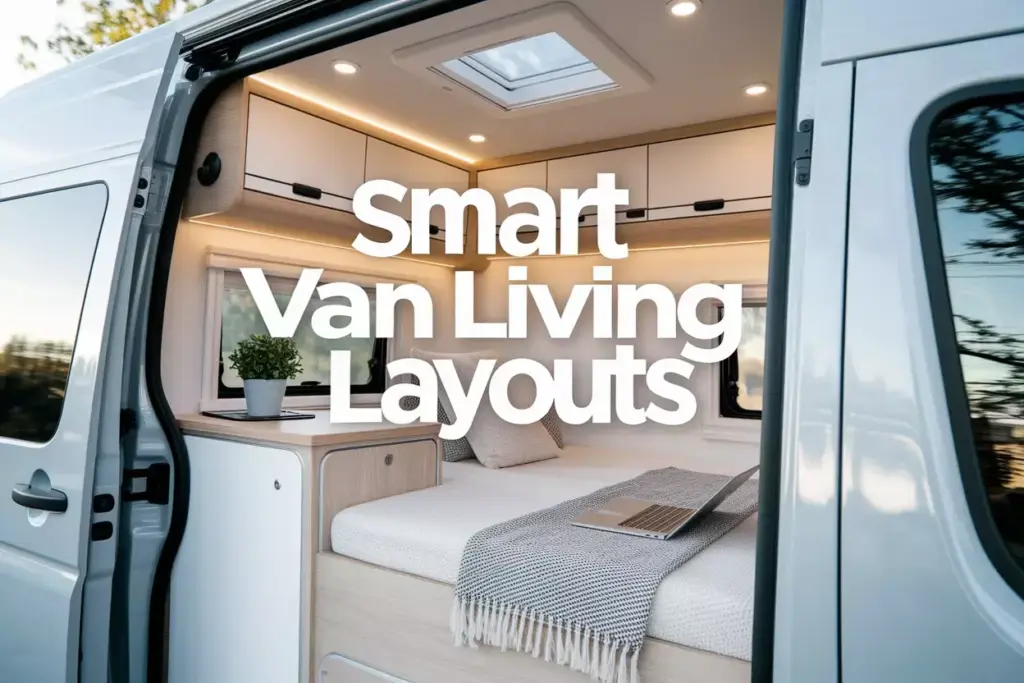
8 Smart Van Living Layouts for Couples and Solo Travelers
The van life movement has transformed from a niche lifestyle into a mainstream phenomenon, with over 1 million Americans choosing to live in recreational vehicles as of 2025. Whether seeking adventure, financial freedom, or simply a change of pace, more people are discovering that 8 smart van living layouts for couples and solo travelers can provide the perfect foundation for life on the road. The key to successful van life lies not just in the journey itself, but in creating a functional, comfortable living space that meets specific needs and travel styles.
Key Takeaways
- Layout optimization varies significantly between couples and solo travelers, with couples requiring more storage and privacy solutions
- Multi-functional furniture and convertible spaces maximize limited square footage while maintaining comfort and functionality
- Proper planning of utilities placement (electrical, plumbing, ventilation) is crucial for any successful van conversion
- Budget considerations range from $15,000 for basic DIY conversions to $150,000+ for professional luxury builds
- Legal and practical considerations including parking, insurance, and maintenance access should influence layout decisions
Understanding Van Living Layout Fundamentals
Van living layouts serve as the blueprint for transforming a basic cargo vehicle into a fully functional mobile home. The most successful conversions balance space efficiency, comfort, and practicality while accommodating the specific needs of their occupants.
Essential Zones in Every Van Layout
Every effective van conversion incorporates five critical zones:
- Sleeping Area – Must accommodate occupants comfortably while maximizing space efficiency
- Kitchen/Cooking Zone – Requires proper ventilation, storage, and safety considerations
- Bathroom Facilities – Can range from composting toilets to full wet baths
- Storage Solutions – Critical for long-term living and organization
- Living/Work Space – Flexible areas for relaxation, dining, and remote work
The arrangement and size of these zones determine the overall functionality and livability of the conversion. Smart van living layouts prioritize the most important zones based on lifestyle needs while ensuring smooth traffic flow throughout the space.
Van Size Considerations
| Van Type | Length | Width | Height | Best For |
|---|---|---|---|---|
| Compact (Ford Transit Connect) | 18-20 ft | 6 ft | 6 ft | Solo travelers, weekend trips |
| Mid-size (Ram ProMaster City) | 20-22 ft | 6.5 ft | 6.5 ft | Solo or minimalist couples |
| Full-size (Ford Transit, Ram ProMaster) | 22-24 ft | 7 ft | 6.5-7 ft | Couples, full-time living |
| Extended (Sprinter 170, Transit Extended) | 24-26 ft | 7 ft | 7+ ft | Luxury living, families |
Couple-Focused Van Living Layouts
Couples embarking on van life adventures face unique challenges that require thoughtful design solutions. Smart van living layouts for couples must address privacy needs, storage for two people’s belongings, and shared spaces that promote harmony rather than conflict.
1. The Romantic Retreat Layout
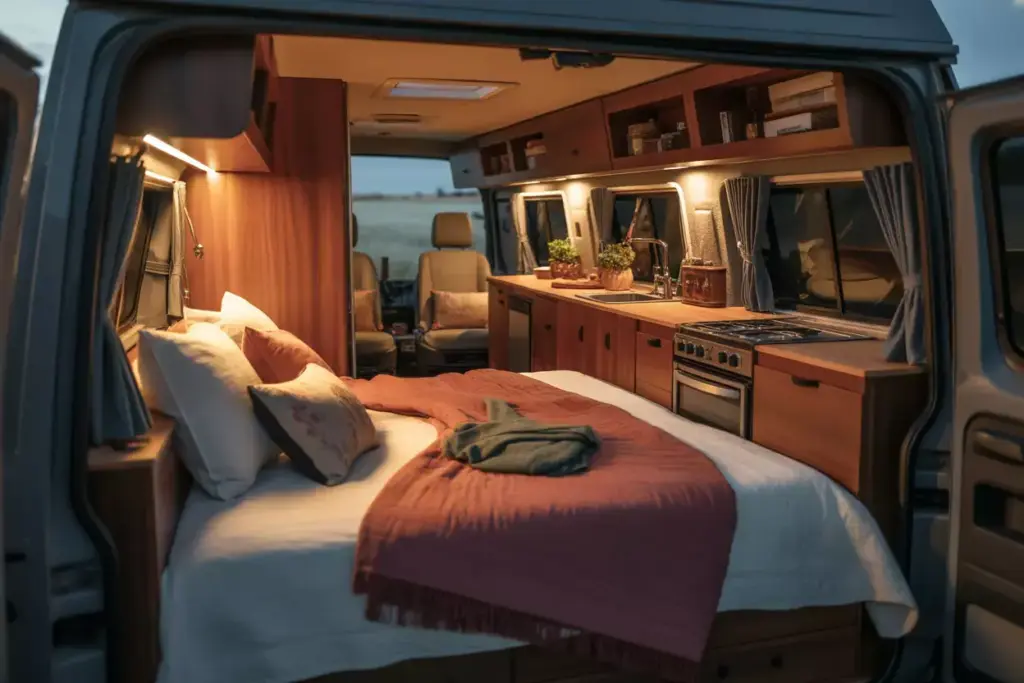
This layout prioritizes comfort and intimacy, featuring a permanent queen-size bed positioned crosswise at the rear of the van. The design includes:
Key Features:
- Rear bed platform with storage drawers underneath
- Compact galley kitchen along one side with two-burner stove and apartment-size refrigerator
- Convertible dinette that transforms into additional seating or workspace
- Privacy curtains separating sleeping area from main living space
- Overhead storage throughout for personal belongings
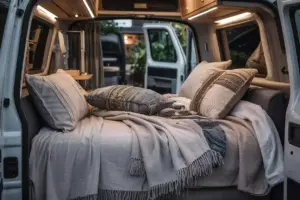
The Romantic Retreat works exceptionally well for couples who prioritize sleeping comfort and don’t mind sacrificing some living space. The permanent bed eliminates daily setup and breakdown, creating a true bedroom feel even in a mobile environment.
2. The Adventure Duo Layout
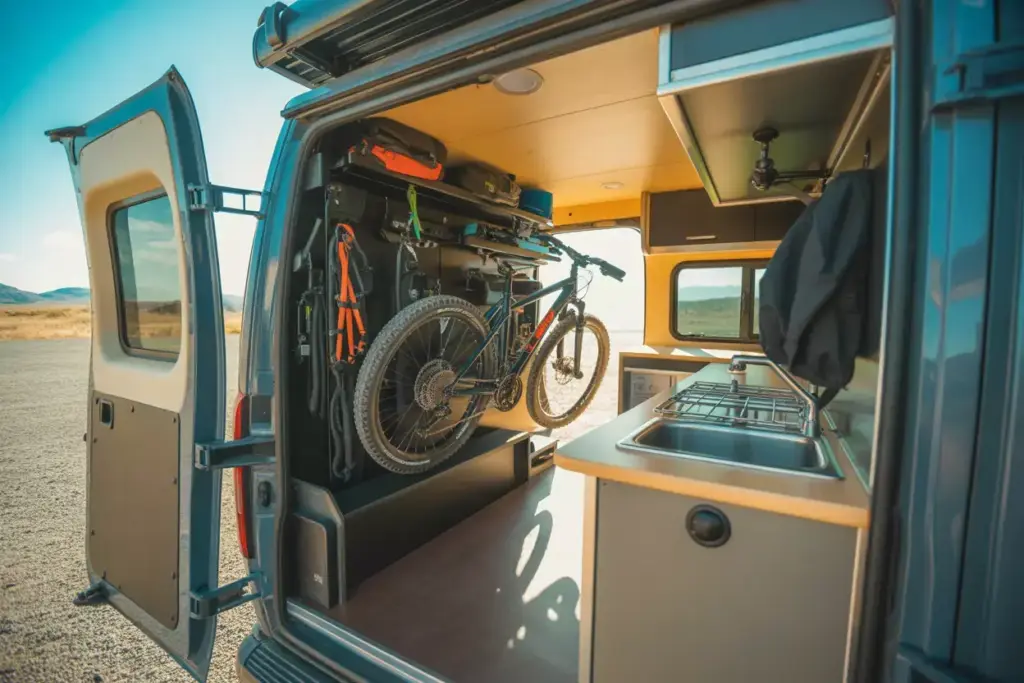
Designed for active couples who spend most daylight hours outside, this layout maximizes gear storage and includes features for outdoor enthusiasts:
Key Features:
- Murphy bed that folds against the wall during the day
- Extensive gear storage with dedicated spaces for bikes, climbing equipment, or water sports gear
- Outdoor kitchen extension with slide-out components
- Wet bath with shower for post-adventure cleanup
- Flexible living space that adapts to various activities
This layout appeals to couples whose van serves primarily as a base camp for outdoor adventures. The convertible bed creates substantial living space during the day while maintaining sleeping comfort at night.
3. The Remote Work Duo Layout
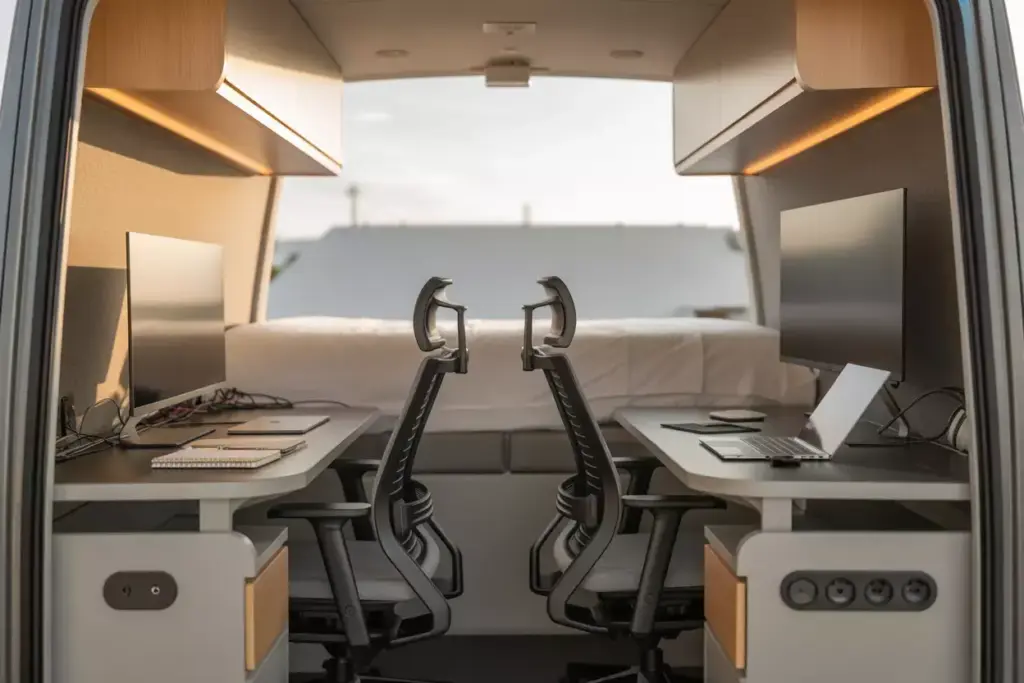
Perfect for digital nomad couples, this layout emphasizes workspace functionality without sacrificing living comfort:
Key Features:
- Dual workstation setup with dedicated desk space for each person
- Enhanced electrical system supporting multiple devices and extended off-grid capability
- Convertible bed/office area with easy transformation
- Sound dampening materials for video calls and concentration
- Climate control for year-round comfort during work hours
The Remote Work Duo recognizes that many modern couples need reliable workspace solutions. This layout ensures both partners can work productively while maintaining relationship harmony in close quarters.
4. The Luxury Cruiser Layout
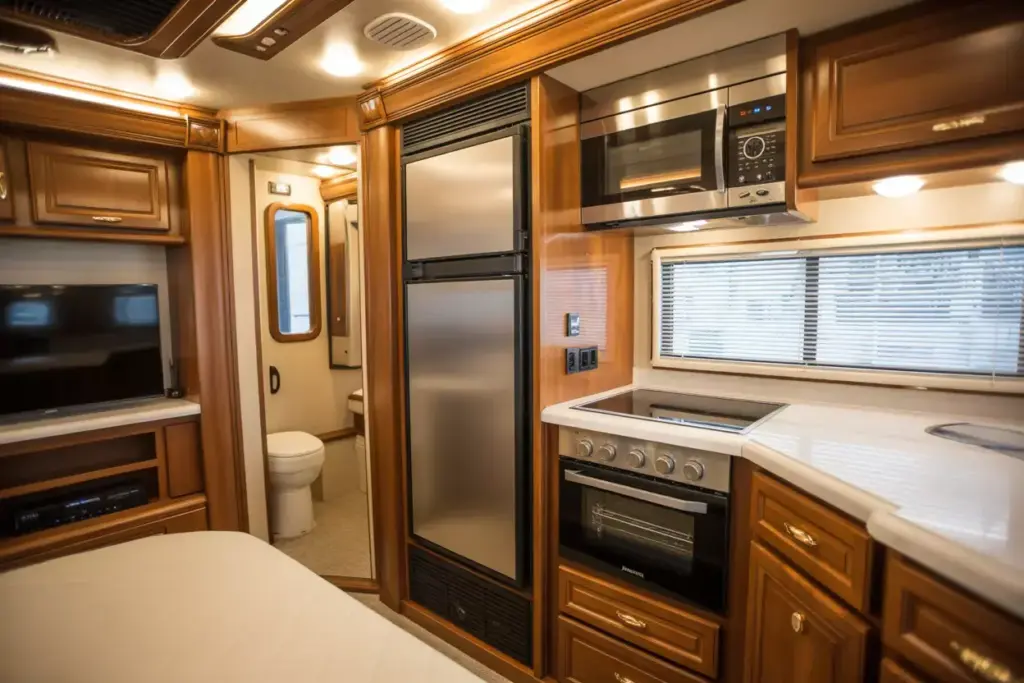
For couples with larger budgets seeking maximum comfort, the Luxury Cruiser incorporates high-end amenities typically found in Class A motorhomes:
Key Features:
- Full-size appliances including residential refrigerator and convection oven
- Separate shower and toilet facilities
- Premium materials such as hardwood cabinetry and quartz countertops
- Advanced climate control with efficient heating and cooling systems
- Entertainment systems including large-screen TV and premium audio
This layout requires extended wheelbase vans and substantial investment but delivers apartment-level comfort for couples committed to long-term van living.
Solo Traveler Van Living Layouts
Solo van life offers unparalleled freedom and flexibility, allowing for personalized layouts that reflect individual priorities and lifestyle preferences. Smart van living layouts for solo travelers can be more compact and specialized than couple-focused designs.
5. The Minimalist Explorer Layout
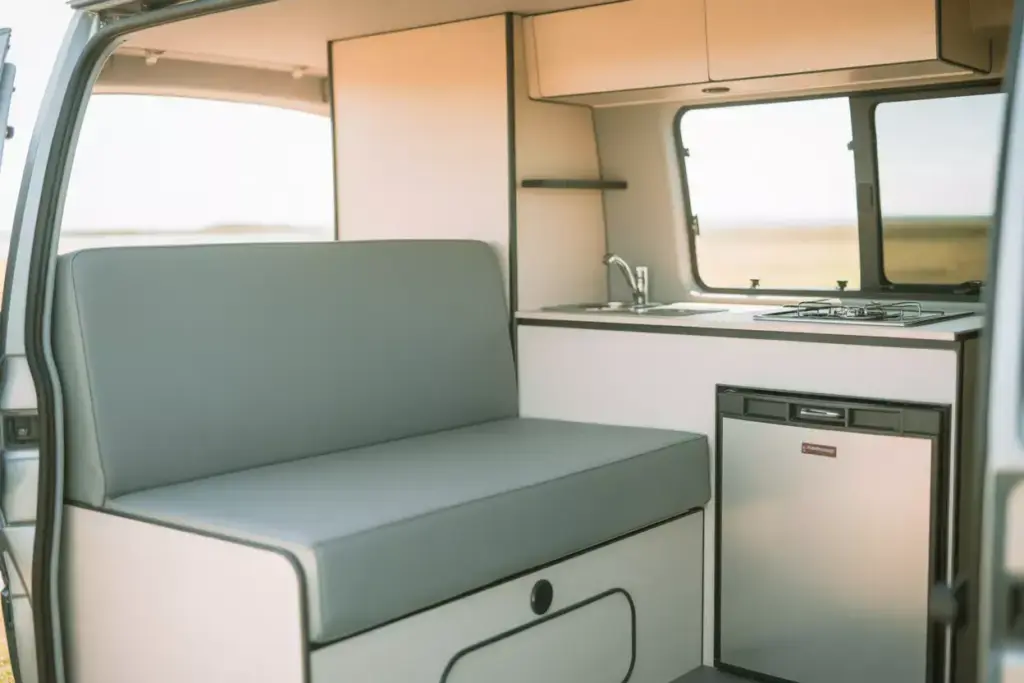
Ideal for solo travelers who embrace simplicity and prioritize mobility over amenities:
Key Features:
- Convertible bed/seating area that serves multiple functions
- Basic kitchen with single burner and compact refrigeration
- Minimal storage encouraging a capsule wardrobe approach
- Lightweight construction maintaining vehicle performance and fuel efficiency
- Quick setup/breakdown for frequent movement
The Minimalist Explorer appeals to solo travelers who view their van as transportation first and accommodation second. This layout keeps costs low while providing essential functionality.
6. The Solo Professional Layout
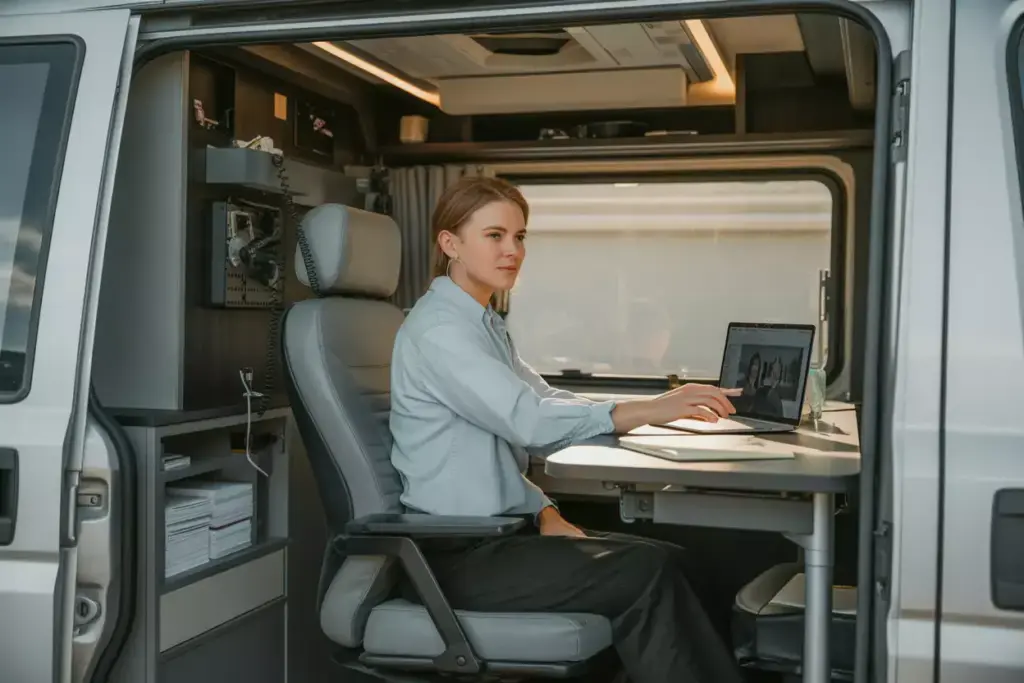
Designed for remote workers and digital nomads who need a mobile office:
Key Features:
- Dedicated workspace with ergonomic seating and proper lighting
- Robust electrical system supporting extended computer use
- Climate-controlled environment for year-round productivity
- Video call setup with professional background and lighting
- Document storage and office supply organization
This layout recognizes that many solo travelers fund their adventures through remote work. The design ensures professional productivity while maintaining living comfort.
7. The Artisan Studio Layout
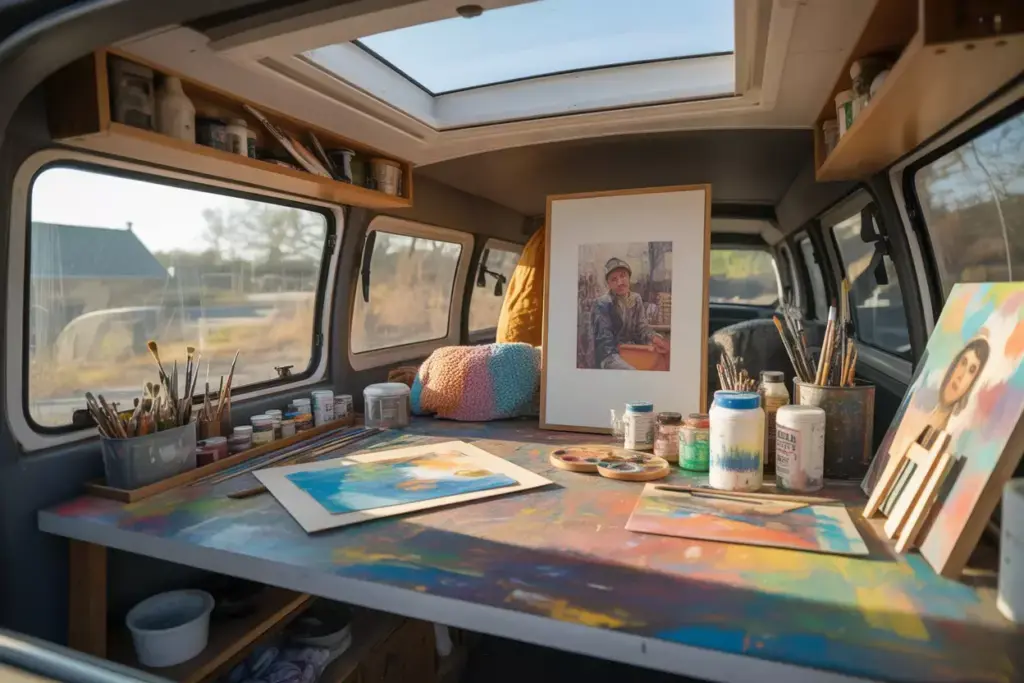
Perfect for creative individuals who want to pursue artistic endeavors while traveling:
Key Features:
- Adaptable work surface accommodating various creative projects
- Natural lighting through skylights and large windows
- Supply storage organized for easy access to materials and tools
- Display areas for showcasing completed works
- Easy cleanup systems for managing creative mess
The Artisan Studio transforms the van into a mobile creative space, enabling artists, writers, photographers, and other creatives to pursue their passions while exploring new inspirations.
8. The Extended Adventure Layout
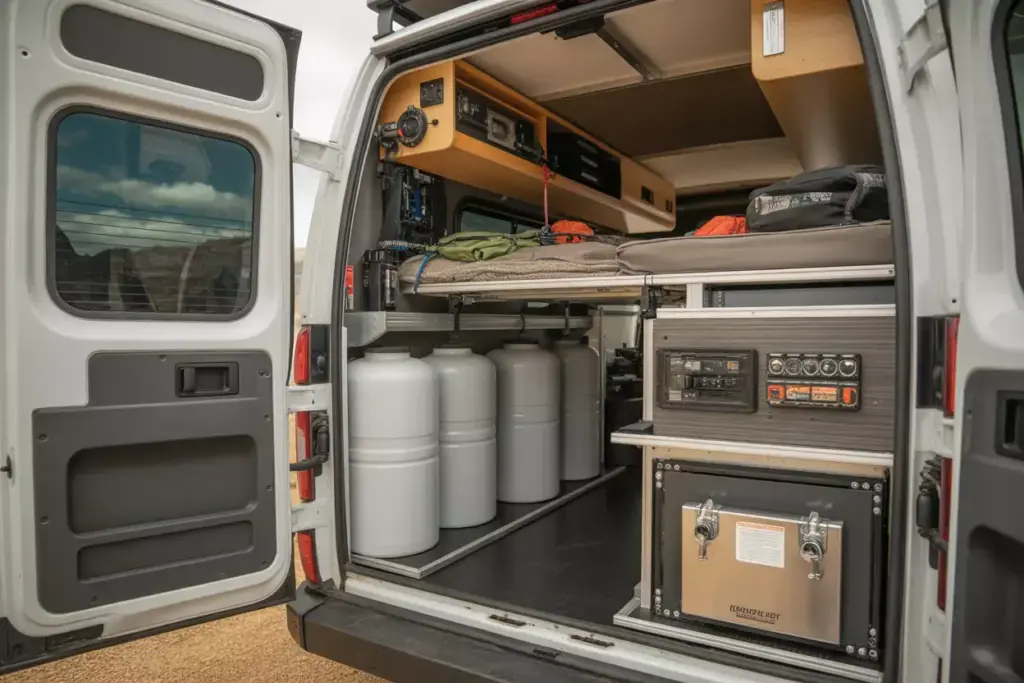
Designed for solo travelers planning extended off-grid expeditions:
Key Features:
- Large freshwater and waste tanks for extended independence
- Comprehensive solar system with battery backup for electronics
- Enhanced insulation for extreme weather conditions
- Emergency equipment storage including first aid and communication devices
- Food preservation systems for long periods between resupply
This layout prioritizes self-sufficiency and safety for solo travelers venturing into remote areas where support services may be unavailable.
Essential Design Considerations for Van Living Layouts
Successful van conversions require careful attention to numerous design elements that impact daily living comfort and long-term satisfaction. These considerations apply regardless of whether the van serves couples or solo travelers.
Electrical Systems and Power Management
Modern van life depends heavily on reliable electrical systems to power devices, lighting, and appliances. Smart van living layouts incorporate electrical planning from the initial design phase rather than as an afterthought.
Power Generation Options:
- Solar panels – Quiet, renewable, ideal for sunny climates
- Alternator charging – Charges batteries while driving
- Shore power – Connects to external electrical sources when available
- Generator backup – Provides power during extended cloudy periods
Battery Technology:
- Lithium batteries offer superior performance and longevity despite higher initial costs
- AGM batteries provide reliable service at lower upfront investment
- Battery monitoring systems prevent damage from overcharging or deep discharge
Water Systems and Plumbing
Water management significantly impacts van living comfort and determines how long travelers can remain off-grid. Effective systems balance freshwater capacity, waste management, and space efficiency.
Water System Components:
- Freshwater tanks sized for intended usage patterns
- Gray water tanks for sink and shower drainage
- Black water tanks for toilet waste (if applicable)
- Water pumps providing consistent pressure
- Filtration systems ensuring safe drinking water
Climate Control and Ventilation
Proper climate control extends the van living season and improves comfort across various weather conditions. Ventilation systems prevent condensation buildup that can lead to mold and structural damage.
Heating Options:
- Diesel heaters provide efficient heating for cold climates
- Propane heaters offer reliable backup heating solutions
- Electric heaters work well with robust solar systems
Cooling Solutions:
- Roof fans create airflow and reduce interior temperatures
- 12V air conditioners provide cooling without shore power requirements
- Swamp coolers offer energy-efficient cooling in dry climates
Storage Solutions and Organization
Limited space makes storage planning crucial for van living success. Smart storage solutions maximize available space while maintaining organization and accessibility.
Storage Strategies:
- Vertical storage utilizes wall space efficiently
- Under-bed storage provides hidden space for seasonal items
- Multi-purpose furniture combines seating, sleeping, and storage functions
- External storage includes roof boxes and rear cargo carriers
Budget Planning for Van Living Layouts
Van conversion costs vary dramatically based on layout complexity, material choices, and labor decisions. Understanding budget implications helps travelers make informed decisions about their van living layouts.
DIY vs Professional Conversion Costs
| Conversion Type | Cost Range | Timeline | Skill Requirements |
|---|---|---|---|
| Basic DIY | $15,000-$35,000 | 3-6 months | Moderate |
| Advanced DIY | $35,000-$65,000 | 6-12 months | High |
| Professional Basic | $65,000-$100,000 | 2-4 months | None |
| Professional Luxury | $100,000-$200,000+ | 4-8 months | None |
Cost-Saving Strategies
Smart budget management allows travelers to create functional layouts without overspending:
- Prioritize essential systems before adding luxury features
- Source materials strategically through salvage yards and surplus stores
- Learn key skills to reduce labor costs for basic tasks
- Phase construction to spread costs over time
- Buy quality tools that retain resale value after completion
Legal and Practical Considerations
Van living layouts must consider legal requirements and practical limitations that vary by location and intended use patterns.
Zoning and Parking Regulations
Legal van living requires understanding local regulations regarding:
- Overnight parking restrictions in urban areas
- RV park requirements for extended stays
- Stealth camping considerations for urban environments
- Permit requirements for certain modifications
Insurance and Registration
Van conversions may affect insurance coverage and registration requirements:
- Commercial vs personal vehicle classifications
- Modification disclosure requirements for insurance coverage
- Safety equipment mandates for RV classification
- Inspection requirements varying by state and conversion type
Maintenance and Accessibility
Smart van living layouts consider long-term maintenance needs and ensure access to critical systems for repairs and servicing.
System Accessibility
Proper layout design provides maintenance access for:
- Electrical components requiring periodic inspection
- Plumbing connections prone to leaks or clogs
- Mechanical systems needing regular servicing
- Structural elements requiring inspection or repair
Tool Storage and Workshop Space
Successful van living often requires basic mechanical skills and appropriate tools:
- Tool organization systems for easy access
- Spare parts storage for common repairs
- Workshop space for maintenance tasks
- Reference materials including manuals and guides
Technology Integration in Modern Van Layouts
Contemporary van living increasingly relies on technology integration for communication, navigation, entertainment, and remote work capabilities.
Internet and Communication
Reliable connectivity enables remote work and emergency communication:
- Cellular boosters improve signal strength in remote areas
- Satellite internet provides coverage in areas without cellular service
- Wi-Fi systems create local networks for multiple devices
- Communication equipment for emergency situations
Navigation and Safety Technology
Modern vans benefit from advanced safety and navigation systems:
- GPS navigation with RV-specific routing
- Backup cameras for safer maneuvering
- Security systems protecting the van and belongings
- Emergency beacons for remote area safety
Conclusion
The 8 smart van living layouts for couples and solo travelers presented in this guide demonstrate that successful van life depends on thoughtful planning and design choices that align with individual needs and preferences. Whether prioritizing luxury comfort, outdoor adventure, remote work capability, or minimalist simplicity, the right layout creates a foundation for memorable experiences and sustainable mobile living.
Key success factors include realistic budget planning, proper system integration, legal compliance, and maintenance accessibility. The most successful van conversions balance immediate needs with long-term flexibility, allowing layouts to evolve as travel patterns and lifestyle preferences change.
Next steps for prospective van lifers include:
- Defining priorities and lifestyle requirements clearly
- Researching local regulations in intended travel areas
- Connecting with van life communities for advice and support
- Planning budgets carefully with contingency funds for unexpected costs
- Starting with essential systems before adding luxury features
The van life movement continues growing as more people discover the freedom and adventure possible through mobile living. With proper planning and smart layout choices, both couples and solo travelers can create comfortable, functional homes on wheels that support their unique journey toward adventure and independence.