8 Smart Layers: The Best Women Hiking Clothing for Any Weather
Picture this: you’re halfway up a mountain trail when the temperature drops 20 degrees and rain starts rolling in. The difference between a miserable retreat and a triumphant summit? What you’re wearing. Getting your layering system right is the single most important gear decision you’ll make before any hike. That’s exactly why I put together this guide to 8 Smart Layers: The Best Women Hiking Clothing for Any Weather — so you can hit the trail confident, comfortable, and ready for whatever nature throws at you.
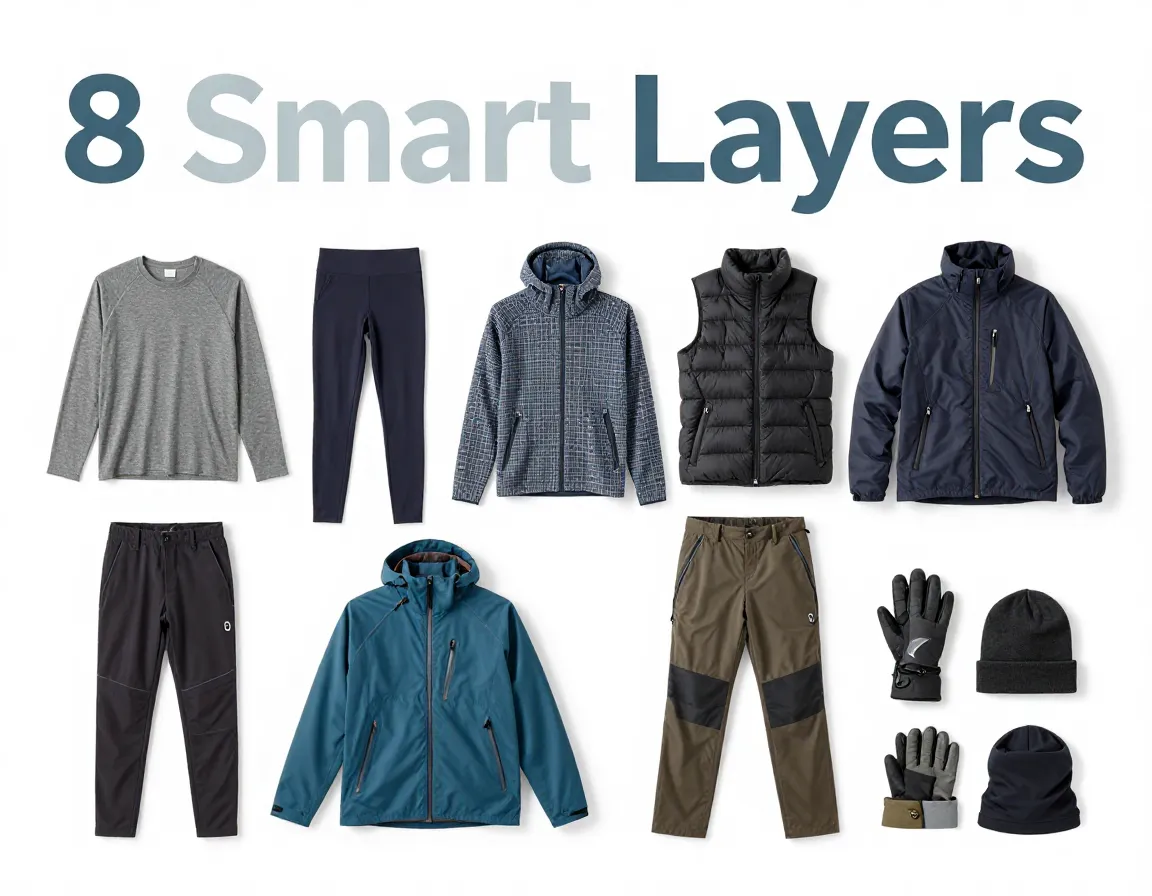
Whether you’re a weekend warrior or a seasoned thru-hiker, understanding the best women hiking clothing for any weather means knowing how each layer works, when to wear it, and how to combine pieces for maximum performance.
Key Takeaways 🏔️
- Layering is a system, not just an outfit — each piece has a specific job to do.
- A well-built 3-season layering system should be lightweight, quick-drying, breathable, and handle temperatures down to the mid-20s°F [2].
- Moisture management starts at the base — never hike in cotton.
- Mid-layers like grid fleece hoodies offer the best balance of warmth, breathability, and packability [1].
- In 2026, hiking style trends favor funnel-neck zip-up fleeces paired with technical trousers and thermal base layers [3].
Why the Right Layering System Changes Everything
Before diving into the 8 Smart Layers: The Best Women Hiking Clothing for Any Weather framework, it helps to understand the “why” behind layering. The human body generates heat during activity — but that heat needs to escape efficiently to prevent overheating and dangerous chilling when you stop. A smart layering system manages:
- Moisture (sweat away from skin)
- Insulation (trapping warmth when needed)
- Protection (blocking wind, rain, and UV)
“The best hiking outfit isn’t the most expensive one — it’s the one that works together as a system.”
Here’s a quick overview of how the 8 layers stack up:
| Layer # | Layer Type | Primary Function |
|---|---|---|
| 1 | Base Layer Top | Moisture-wicking |
| 2 | Base Layer Bottom | Moisture-wicking |
| 3 | Mid-Layer Fleece | Insulation |
| 4 | Insulated Vest | Core warmth |
| 5 | Softshell Jacket | Wind/light rain |
| 6 | Hardshell Rain Jacket | Full waterproofing |
| 7 | Hiking Pants/Leggings | Lower body protection |
| 8 | Accessories | Head, hands, neck |
8 Smart Layers: The Best Women Hiking Clothing for Any Weather — Detailed Breakdown
1. Moisture-Wicking Base Layer Top
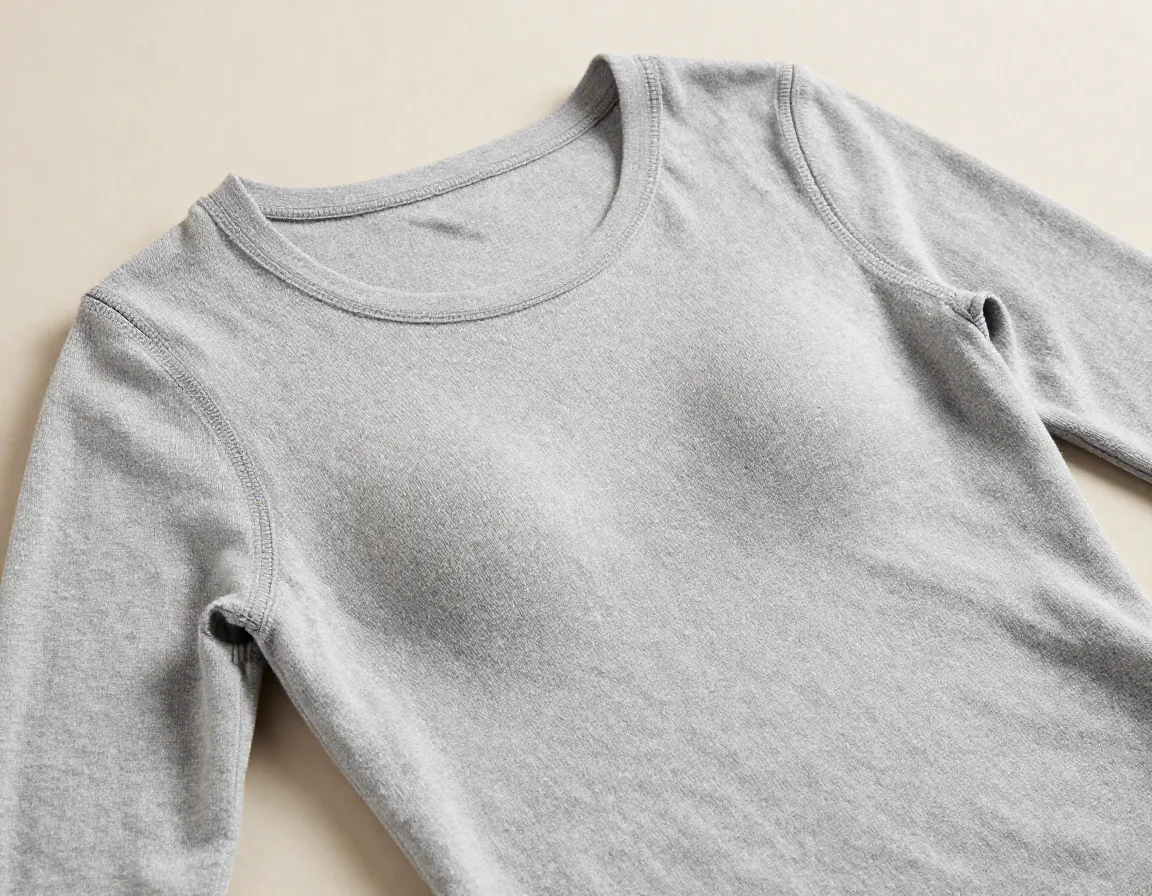
Your base layer is the foundation of everything. It sits directly against your skin, and its one job is to pull sweat away from your body so you stay dry and warm. Look for:
- Merino wool — naturally odor-resistant, temperature-regulating, soft against skin
- Synthetic fabrics (polyester blends) — dry faster, more durable, often more affordable
- Fitted cut to prevent bunching under other layers
❌ Avoid cotton at all costs. Cotton absorbs moisture and holds it against your skin, which can lead to dangerous chilling on cold days.
Top pick feature to look for: Flatlock seams to prevent chafing on long days.
2. Moisture-Wicking Base Layer Bottom
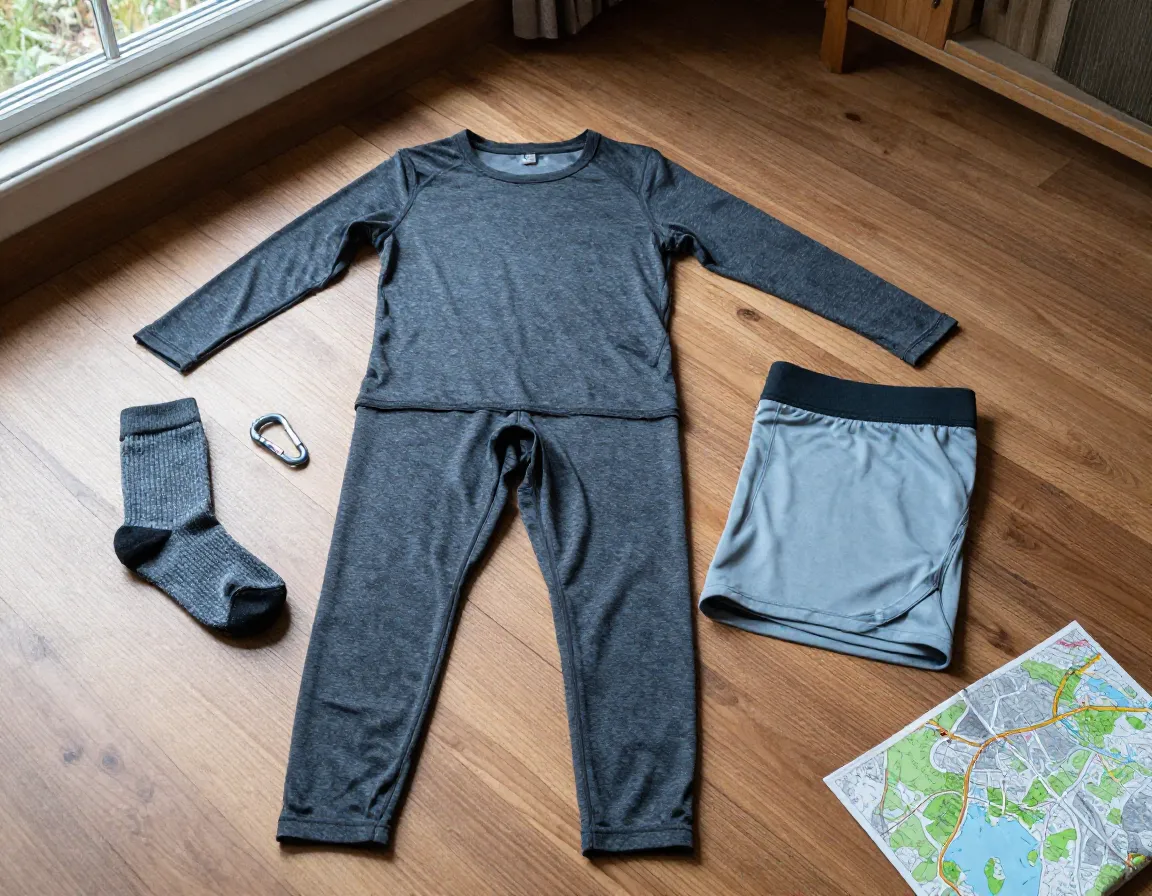
Just as important as the top, your base layer bottom manages sweat on your lower body. Options include:
- Thermal leggings for cold-weather hikes
- Lightweight liner shorts for warm-weather or under hiking pants
- Merino or synthetic blends work best here too
For 3-season hiking, a mid-weight merino bottom handles temperatures down into the mid-20s°F when paired with outer layers [2].
3. Grid Fleece Mid-Layer Hoodie

This is where things get exciting. Grid fleece hoodies have become the go-to mid-layer for women hikers because they strike the perfect balance between warmth, breathability, and packable weight [1].
Two standout options worth knowing:
- The Squak Grid Fleece Hoodie — praised for its slim, flattering fit and great color options, making it a top choice specifically designed for women’s proportions [1].
- The SkyGOAT Half-Zip Hoodie — features thumb loops, convenient pockets, and lightweight grid fabric. Note: women in XS sizes should size down for the best fit [1].
In 2026, hiking style trends are leaning hard into funnel-neck zip-up fleeces with full zips, which offer easy ventilation control on the trail [3]. This style is both functional and fashion-forward.
Why grid fleece specifically?
The grid pattern creates tiny air pockets that trap warmth while allowing moisture to escape — smarter than a standard flat fleece.
4. Insulated Vest

An insulated vest is the secret weapon of the layering system. It keeps your core warm without restricting arm movement, making it ideal for:
- High-output activities (where arms need freedom)
- Shoulder-season hikes with unpredictable temps
- Camp layering when you stop for breaks
Look for down fill (700+ fill power) for the best warmth-to-weight ratio, or synthetic insulation if you hike in wet climates (synthetic retains warmth even when damp).
5. Softshell Jacket
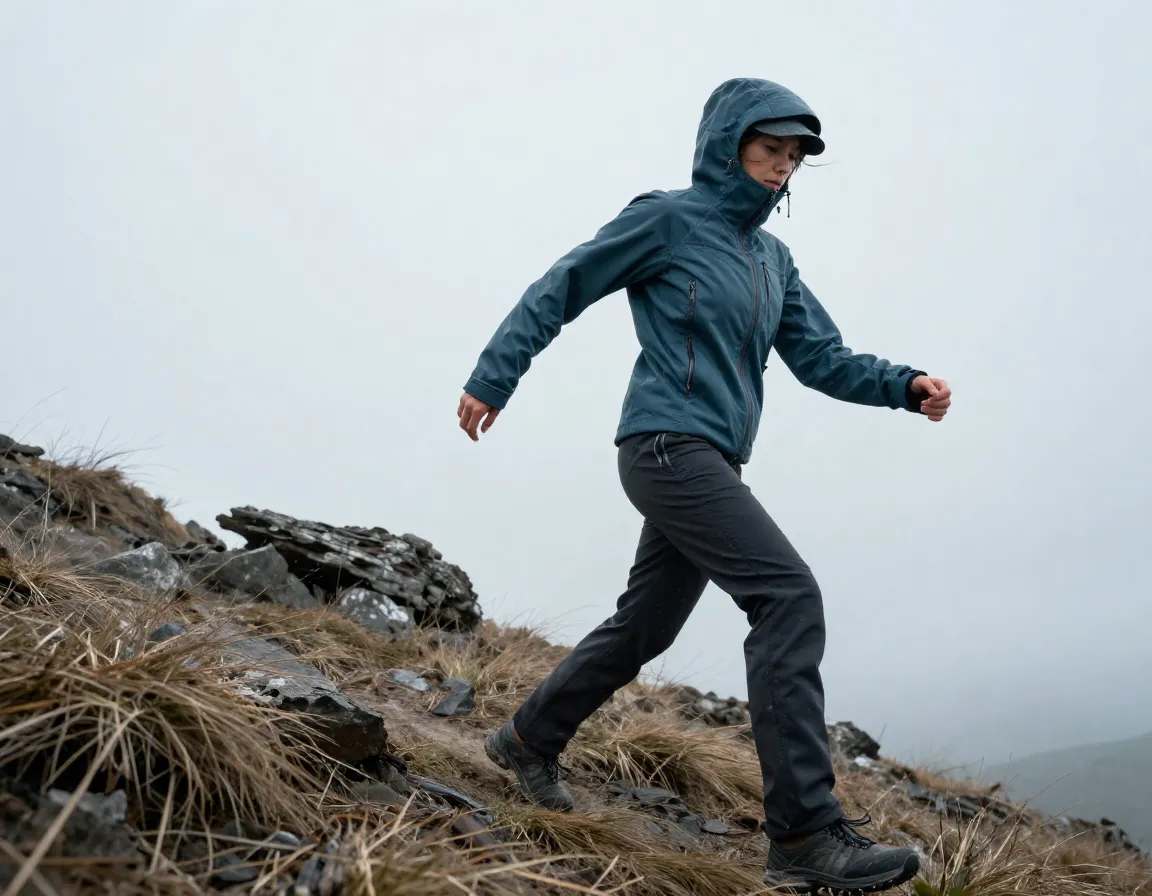
A softshell bridges the gap between a fleece and a full rain jacket. It offers:
- Wind resistance (blocks most wind chill)
- Light water resistance (handles light drizzle)
- Stretch and breathability for active movement
Softshells are ideal for dry, cold, or windy days when you don’t need full waterproofing. They’re more breathable than hardshells, which makes them better for sustained uphill effort.
Pro tip 💡: On many hikes, a softshell replaces both the fleece and rain jacket — fewer layers, less weight.
6. Hardshell Rain Jacket
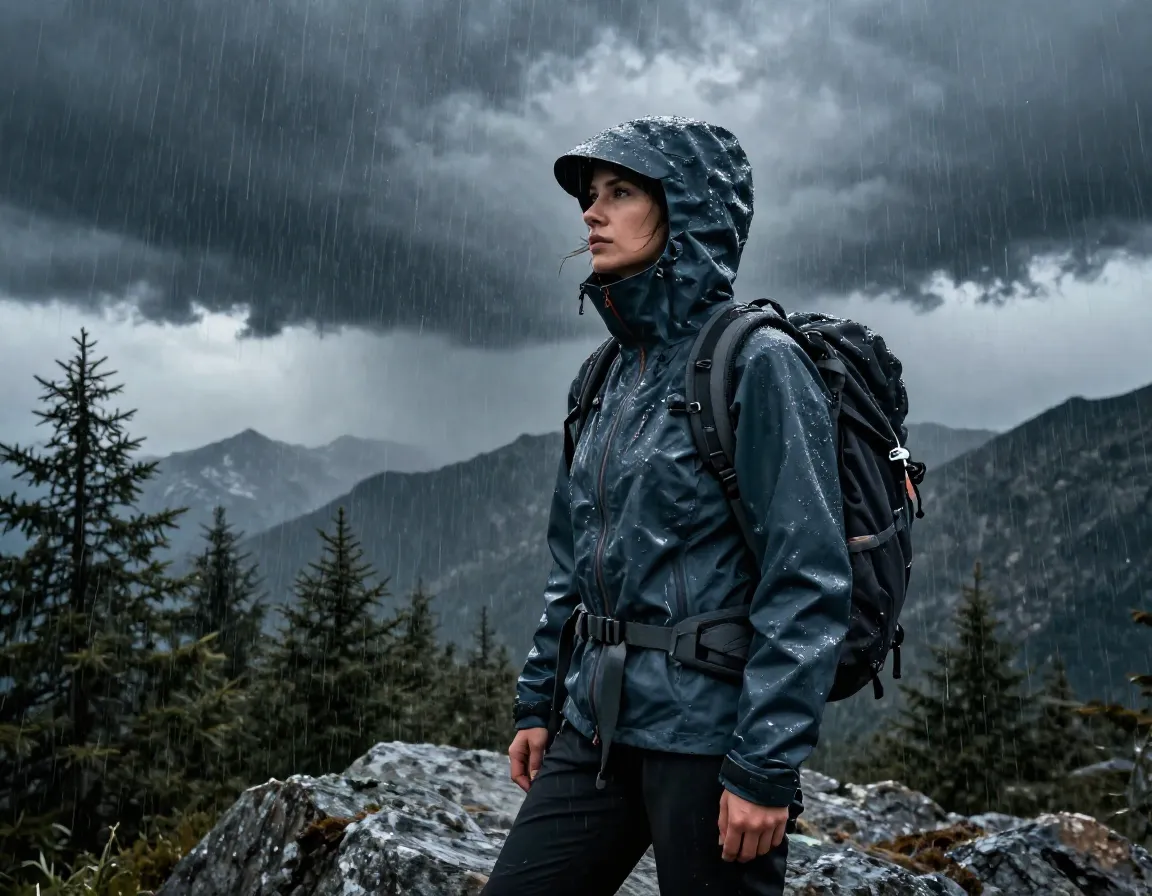
When the weather turns serious, nothing replaces a waterproof hardshell. This is your non-negotiable protection layer for:
- Heavy rain
- Snow and sleet
- High wind exposure above treeline
Key specs to look for:
| Feature | What to Look For |
|---|---|
| Waterproofing rating | 20,000mm+ for reliable protection |
| Breathability rating | 20,000g/m²/24hr or higher |
| Seam sealing | Fully taped seams only |
| Hood | Helmet-compatible, adjustable |
| Packability | Stuffs into its own pocket |
Women-specific cuts matter here — look for shorter torso lengths, shaped waists, and longer sleeves proportioned for women’s bodies.
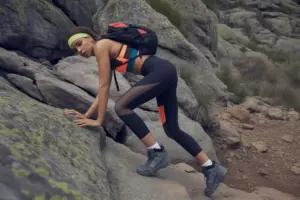
7. Hiking Pants or Technical Leggings
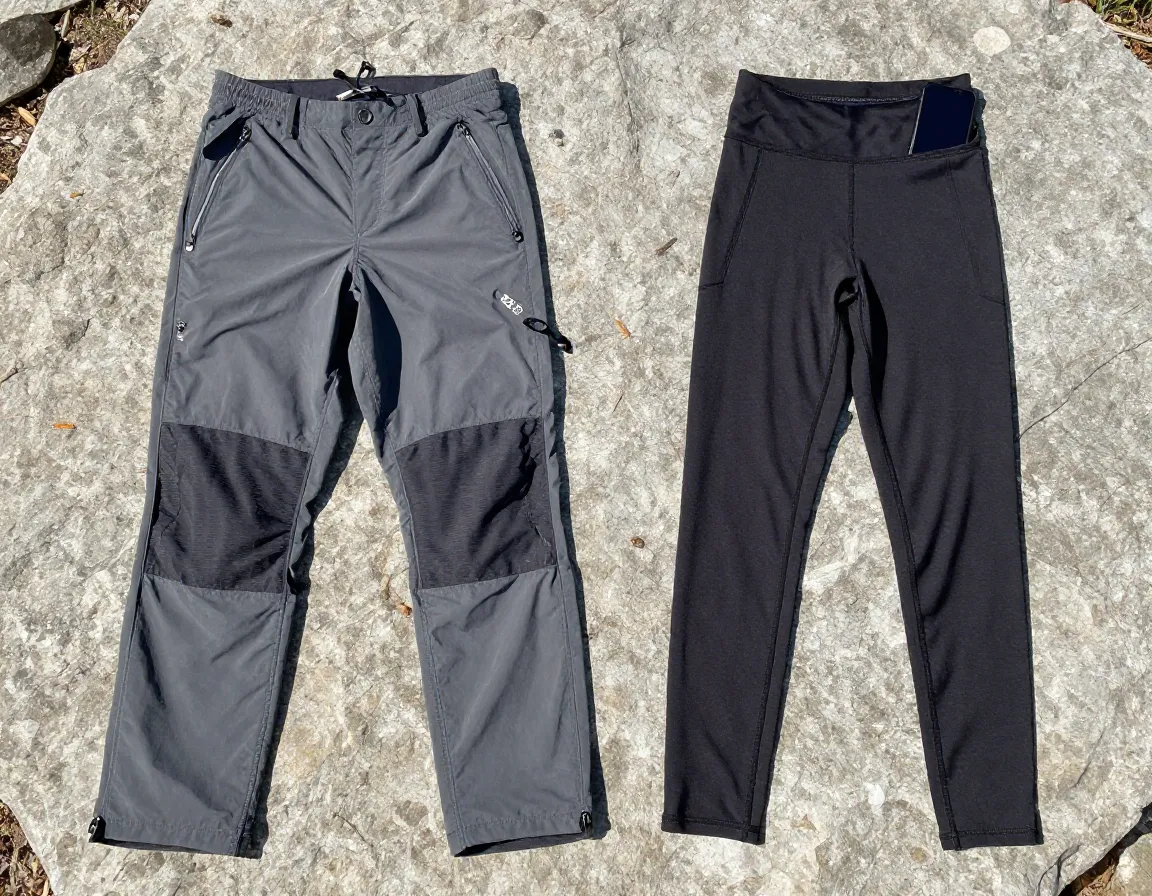
Your lower body layer needs to handle everything from scrambling over rocks to wading through wet brush. The best women hiking clothing for any weather includes pants that offer:
- Stretch in 4 directions for unrestricted movement
- Quick-dry fabric (nylon or polyester blends)
- UPF 30+ sun protection for exposed terrain
- Zippered pockets that actually hold your phone 📱
Two main options:
- Convertible hiking pants — zip off to shorts when temps rise, versatile for variable days
- Technical leggings — lighter, more packable, great for warmer conditions or as a base layer under rain pants
“The right hiking pants feel like they disappear — you stop thinking about them and start thinking about the trail.”
8. Accessories: Head, Hands & Neck

The final layer in the 8 Smart Layers: The Best Women Hiking Clothing for Any Weather system is often underestimated — but accessories can make or break your comfort.
Essential accessories:
- 🧤 Lightweight gloves — liner gloves for shoulder season, insulated for winter
- 🧣 Neck gaiter — versatile, can be worn as a balaclava, headband, or face cover
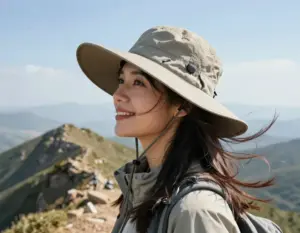
- 🧢 Sun hat or beanie — depending on season; a packable sun hat protects in summer, a merino beanie in cold
- Moisture-wicking hiking socks — merino wool is the gold standard; avoid cotton here too
Quick accessories checklist:
- Merino wool or synthetic beanie ✅
- Lightweight packable gloves ✅
- Neck gaiter or buff ✅
- Moisture-wicking hiking socks (merino preferred) ✅
- Sun hat or baseball cap for UV protection ✅
How to Build Your System for Different Conditions
Not every hike needs all 8 layers. Here’s how to mix and match:
| Conditions | Recommended Layers |
|---|---|
| ☀️ Warm summer day (60°F+) | Base layer top + technical leggings/pants + sun hat |
| 🌥️ Cool spring/fall day (40–55°F) | Base layers + grid fleece hoodie + softshell |
| 🌧️ Rainy day (any temp) | Base layers + fleece + hardshell rain jacket + rain pants |
| ❄️ Cold winter hike (below 32°F) | Full base layers + fleece + insulated vest + hardshell + accessories |
The 3-season layering system works best when every piece is lightweight, quick-drying, and breathable — so you can add or remove layers without slowing down [2].
Conclusion: Layer Up and Hit the Trail 🥾
Building the perfect women’s hiking wardrobe doesn’t have to be overwhelming. The 8 Smart Layers: The Best Women Hiking Clothing for Any Weather system gives you a clear, logical framework — from moisture-wicking base layers to waterproof hardshells and the accessories that tie it all together.
Your actionable next steps:
- Audit what you already own — identify gaps in your layering system.
- Start with the base layer — it’s the most impactful upgrade if you’re still hiking in cotton.
- Invest in a quality grid fleece mid-layer — the Squak or SkyGOAT options are excellent starting points [1].
- Add a hardshell rain jacket before tackling exposed or alpine terrain.
- Don’t neglect accessories — a good neck gaiter and merino socks cost little but deliver big comfort.
The trail is waiting. Layer smart, hike far, and enjoy every mile — no matter what the weather brings.
References
[1] Fleece Mid Layers Hiking Backpacking – https://www.skyestoury.com/blog/fleece-mid-layers-hiking-backpacking
[2] Hiking Clothes – https://www.adventurealan.com/hiking-clothes/
[3] Hiking Style Trend 2026 – https://www.whowhatwear.com/fashion/athleisure/hiking-style-trend-2026