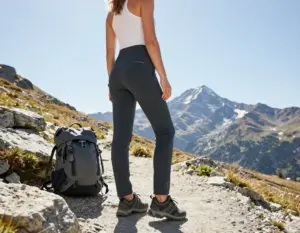
8 Pieces of the Best Hiking Attire for Safety & Performance
Picture this: you’re two miles from the trailhead when the sky opens up, the temperature drops 15 degrees, and your cotton t-shirt is soaked through. What you’re wearing at that moment isn’t just a comfort issue — it’s a safety issue. Choosing the 8 pieces of the best hiking attire for safety & performance is one of the smartest investments any hiker can make, whether you’re a weekend warrior or a seasoned backcountry explorer. In 2026, the gear available to us is better than ever — lighter, more breathable, and more sustainable — and knowing exactly what to pack can be the difference between a great day on the trail and a dangerous one.
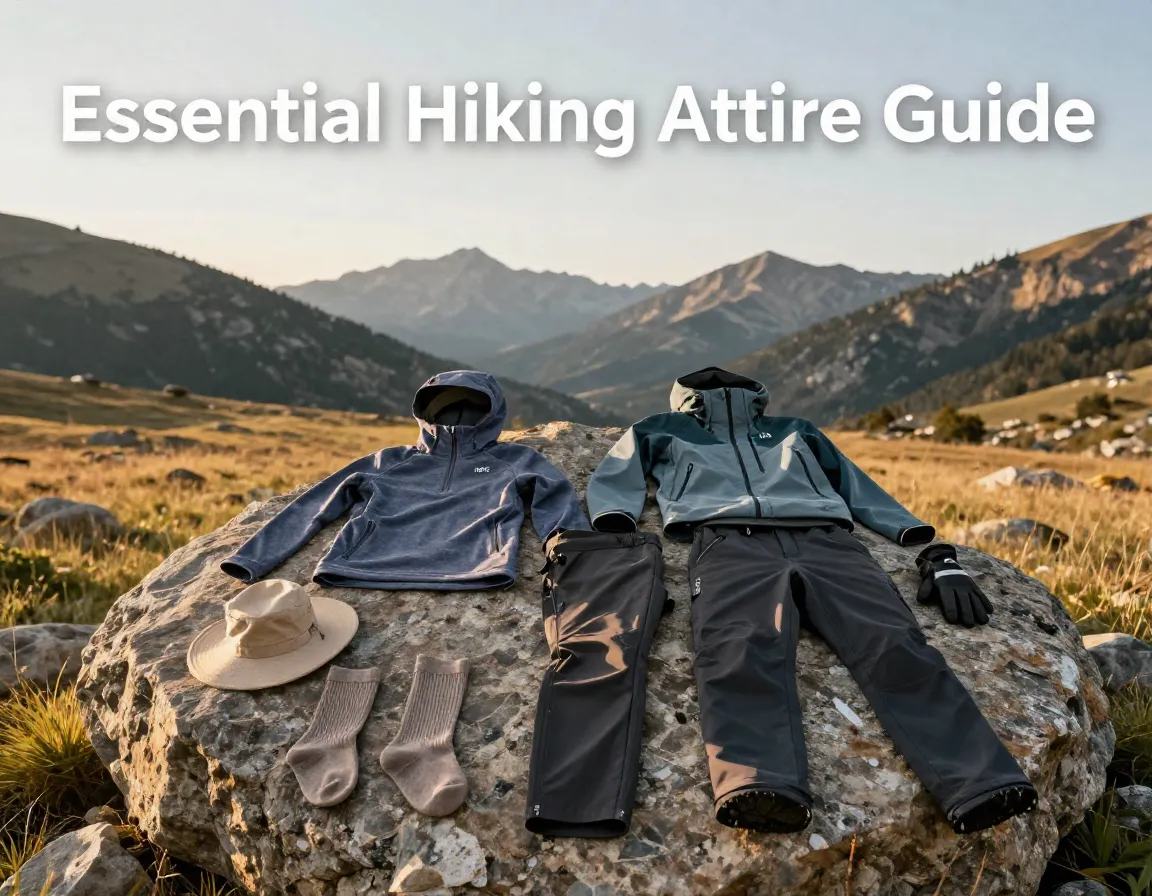
Key Takeaways 🎒
- Layering is everything. A proper base, mid, and outer layer system keeps you safe in changing weather conditions.
- Moisture management is the #1 priority for your base layer — avoid cotton at all costs.
- Sun protection clothing (UPF 50+) is just as important as sunscreen on exposed trails.
- Ultralight waterproof gear has dramatically improved — you no longer have to choose between breathability and protection.
- Accessories matter. Socks, gloves, and hats round out your kit and protect extremities that are often overlooked.
Why the Right Hiking Attire Matters
Most hiking injuries and emergencies are preventable. Hypothermia, sunburn, blisters, and heat exhaustion are all conditions that proper clothing can help prevent. The 8 pieces of the best hiking attire for safety & performance outlined in this guide are built around one core principle: your clothing is your first line of defense against the environment.
💡 “Dress for the trail you might encounter, not just the one you’re starting on.”
Modern trail clothing uses advanced fabric technology — think 4-way stretch, ripstop nylon, and hollow-core yarn — to deliver performance that older gear simply couldn’t match [1][2]. Let’s break down each essential piece.
The 8 Pieces of the Best Hiking Attire for Safety & Performance
1. Moisture-Wicking Base Layer

Your base layer is the foundation of your entire system. It sits directly against your skin, and its only job is to pull sweat away from your body and keep you dry.
Best materials:
- Merino wool — naturally odor-resistant, temperature-regulating, and soft
- Synthetic blends (polyester, nylon) — faster drying and more durable
Cotton is the enemy on the trail. It absorbs moisture and holds it against your skin, which leads to chafing, chills, and in cold conditions, hypothermia. Stick to technical fabrics designed for active movement [1].
Look for: 4-way stretch construction, semi-fitted design (roughly 24–26 inches in body length) for coverage without restriction [1].
2. UPF 50+ Sun Protection Shirt or Hoodie

Sun exposure is a serious risk on open ridgelines and alpine terrain. A UPF 50+ rated shirt blocks over 98% of UV radiation — far more effective than most sunscreens applied in the field.
The NOLA Long Sleeve T-Shirt (bamboo viscose and organic cotton blend) is a strong option for warm-weather hiking, offering maximum UV defense while remaining breathable [1]. For three-season use, the Outdoor Research Echo Hoodie stands out — built from recycled polyester, it offers UPF 15–20 protection with excellent moisture-wicking and breathability [2].
Pro tip: 🌞 A sun hoodie doubles as wind protection and can replace a separate layer in mild conditions.
3. Fleece Mid-Layer
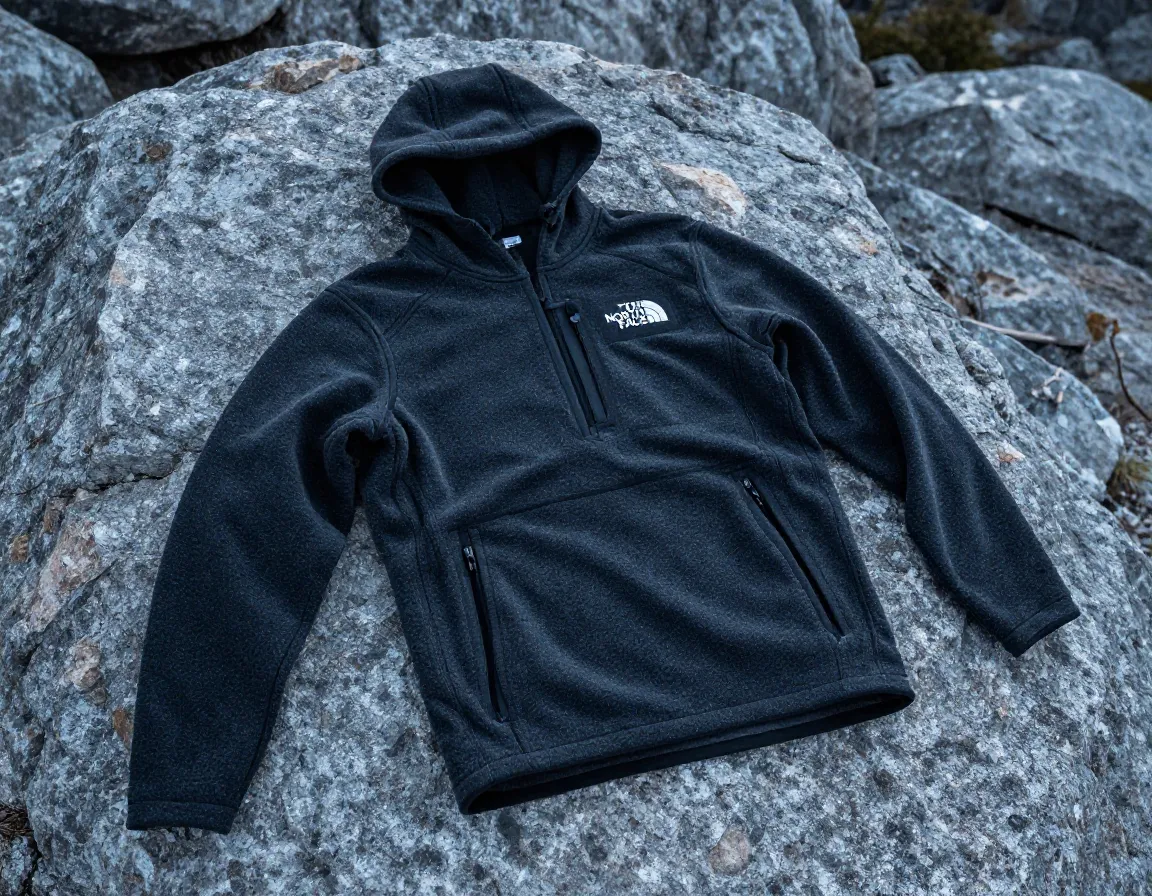
When temperatures drop or the wind picks up, your mid-layer is what keeps your core warm. A quality fleece hoodie provides the warmth-to-weight ratio that makes it worth carrying even on summer hikes.
The North Face FutureFleece Hoodie (7.3 oz, $170) uses Octa hollow-core yarn technology to deliver exceptional warmth without bulk. It outperforms most competitors while offering better durability and wind-resistance than many alternatives [2].
| Feature | North Face FutureFleece | Standard Fleece |
|---|---|---|
| Weight | 7.3 oz | 10–14 oz |
| Wind Resistance | ✅ Yes | ❌ Limited |
| Warmth-to-Weight | Excellent | Average |
| Durability | High | Medium |
For ultralight-focused hikers, the Alpha Direct fleece is another top contender in a full layering system [2].
4. Waterproof Rain Jacket

A waterproof shell is non-negotiable on any hike longer than a half-day. Weather changes fast, and being caught without rain protection is both miserable and dangerous.
The Zpacks Vertice Rain Jacket is a standout performer in 2026. Its breathability rating of 56k is nearly 3x better than Gore-Tex’s 20k rating, while still maintaining a solid 20k waterproof rating. It also features pit-zips for active ventilation during high-output climbs [2].
🌧️ “The best rain jacket is the one you actually bring — and the Zpacks Vertice is light enough that there’s no excuse to leave it behind.”
Key specs to look for in any rain jacket:
- Waterproof rating: 10k minimum (20k preferred)
- Breathability rating: 20k+ (higher = better for active use)
- Weight: Under 10 oz for trail use
- Packability: Should compress into its own pocket
5. Waterproof Rain Pants
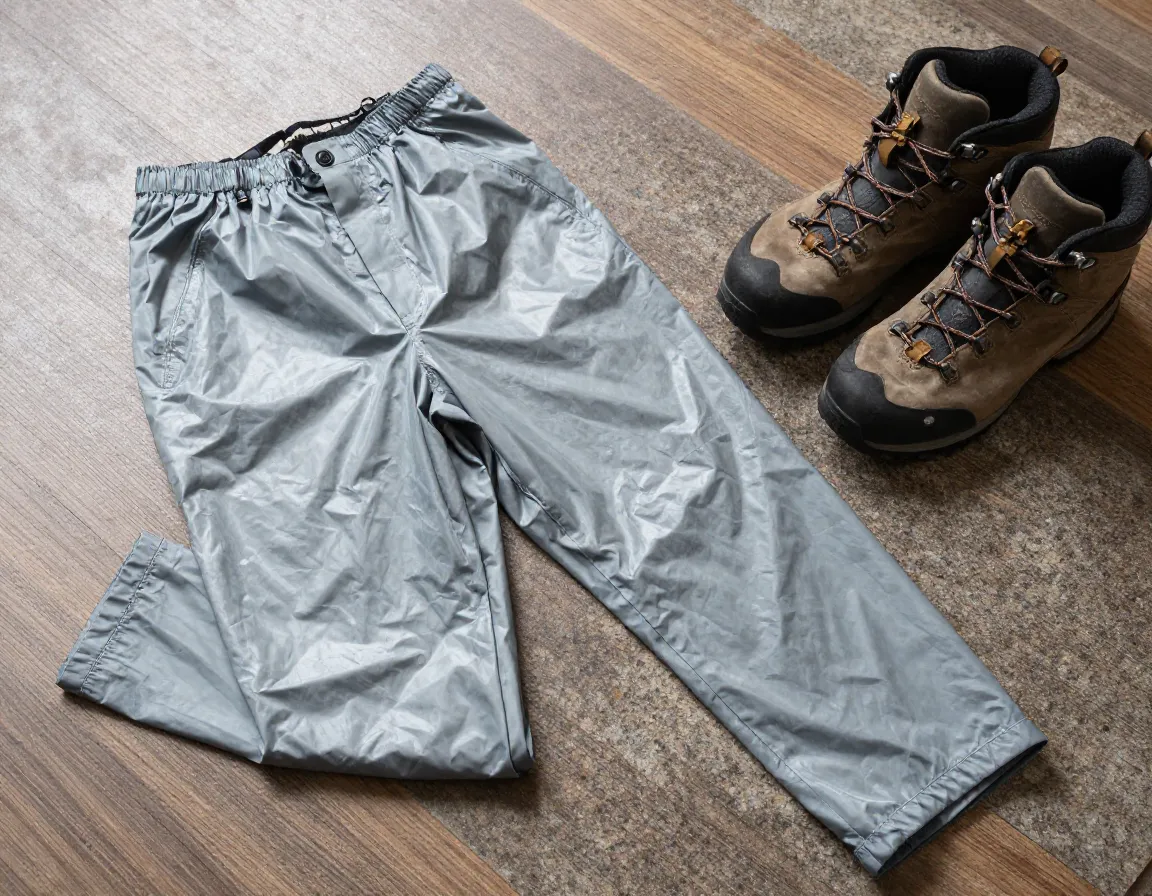
Your lower half needs the same protection as your upper body. Wet legs in cold conditions accelerate heat loss and make every step uncomfortable.
The Zpacks Vertice Rain Pants weigh just 3.2 oz and carry a breathability rating of 56k — more than triple that of standard Gore-Tex options [2]. At $149, they represent serious value for ultralight hikers who need full waterproof coverage without sacrificing mobility.
For hikers who prefer a more traditional option, look for pants with:
- Full side-zip for easy on/off over boots
- Reinforced seat and knees
- Adjustable waistband
6. Sun Hoodie / Versatile Trail Shirt
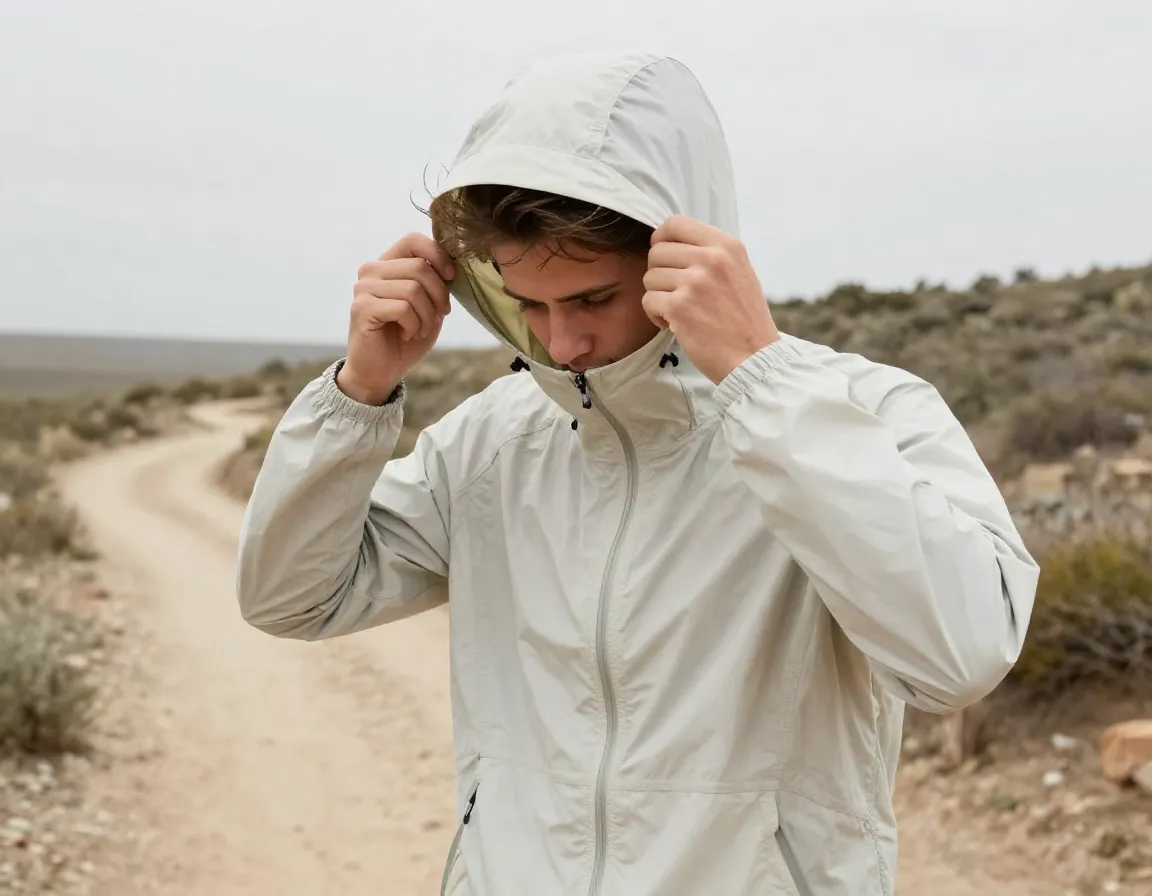
A dedicated sun hoodie serves multiple purposes on the trail — UV protection, light wind blocking, and an extra layer of warmth in the morning or evening. This is different from your base layer; it’s designed to be worn as an outer piece in fair weather.
The REI Sahara Hiking Hoodie is trail-tested for long, tough days. Its adjustable hood lets you raise or lower coverage depending on sun angle and wind conditions [3]. The Outdoor Research Echo Hoodie is another excellent pick, made from eco-friendly recycled polyester [2].
What to look for:
- UPF 15–50+ rating
- Moisture-wicking recycled polyester or nylon
- Relaxed fit for layering
- Zippered pockets for trail snacks and essentials
Sustainable material integration is a growing standard in 2026 hiking attire, with recycled fabrics now performing on par with — or better than — virgin synthetics [1].
7. Hiking Pants or Shorts with Reinforced Fabric

Your leg coverage needs to balance protection, mobility, and durability. The right hiking pants or shorts use reinforced nylon or ripstop materials that can handle brush, rocks, and repeated use without wearing through [1].
Choosing between pants and shorts:
| Condition | Best Choice |
|---|---|
| Cold/wet weather | Full-length pants |
| Hot, dry trails | Convertible or shorts |
| Dense brush/scrub | Full-length pants |
| Rocky scrambles | Reinforced pants |
Look for 4-way stretch fabric — it dramatically improves freedom of movement on steep terrain and makes long days far more comfortable [1]. Articulated knees and gusseted crotch construction are bonus features worth prioritizing.
8. Specialized Accessories: Socks, Hat & Gloves

The final category covers the pieces that complete your kit and protect the parts of your body most exposed to the elements.
🧦 Hiking Socks
The Darn Tough Hiker Micro Crew Cushion Socks are a trail staple. Merino wool construction provides cushioning, moisture management, and blister prevention — and they come with a lifetime guarantee [3].
🧢 Sun Hat or Visor
A lightweight visor or wide-brim hat protects your face, neck, and ears on exposed trails. Look for UPF-rated options with moisture-wicking sweatbands.
🧤 Gloves & Beanie
For three-season hiking, pack a Smartwool Merino 250 Beanie and a pair of breathable hiking gloves [3]. These add minimal weight but are critical for warmth when temperatures drop unexpectedly at elevation.
Quick accessory checklist:
- ✅ Merino wool hiking socks
- ✅ UPF-rated sun hat or visor
- ✅ Lightweight gloves
- ✅ Packable beanie for cold snaps
Building Your Complete Layering System
The 8 pieces of the best hiking attire for safety & performance work best when treated as a system, not individual items. Here’s how they stack together:
Full layering system (cold/wet conditions):
- Moisture-wicking base layer
- Sun hoodie or trail shirt
- Fleece mid-layer
- Waterproof rain jacket
- Waterproof rain pants
- Hiking pants underneath
- Accessories (hat, gloves, socks)
Warm weather streamlined kit:
- Moisture-wicking base layer
- UPF 50+ sun hoodie
- Hiking shorts
- Rain jacket (packed, not worn)
- Accessories (visor, socks)
Conclusion: Gear Up and Hit the Trail with Confidence
Choosing the right hiking attire isn’t about spending the most money — it’s about understanding what each piece does and why it matters. The 8 pieces of the best hiking attire for safety & performance covered in this guide give you a complete, weather-ready kit that handles everything from sunny summit days to surprise rainstorms.
Your actionable next steps:
- Audit your current kit. Identify any cotton pieces and replace them with moisture-wicking alternatives.
- Prioritize your rain layer. If you only upgrade one thing this season, make it a quality waterproof jacket.
- Invest in your socks. Blisters ruin hikes — quality merino socks are worth every penny.
- Think in layers. Build your system from the inside out: base, mid, shell.
- Check sustainability credentials. In 2026, many top brands offer recycled and eco-conscious options that perform just as well as conventional gear [1].
The trail is waiting. Dress for it properly, and every step becomes safer, more comfortable, and more enjoyable. 🥾
References
[1] From Sunny Trails To Rainy Paths Best Hiking Outfits For Different Trail Conditions – https://www.tascperformance.com/blogs/news/from-sunny-trails-to-rainy-paths-best-hiking-outfits-for-different-trail-conditions
[2] Hiking Clothes – https://www.adventurealan.com/hiking-clothes/
[3] Best Hiking Gear – https://www.hikingguy.com/best-hiking-gear/