8 Magical Winter Hikes and Snowshoe Trails in the Swiss Alps
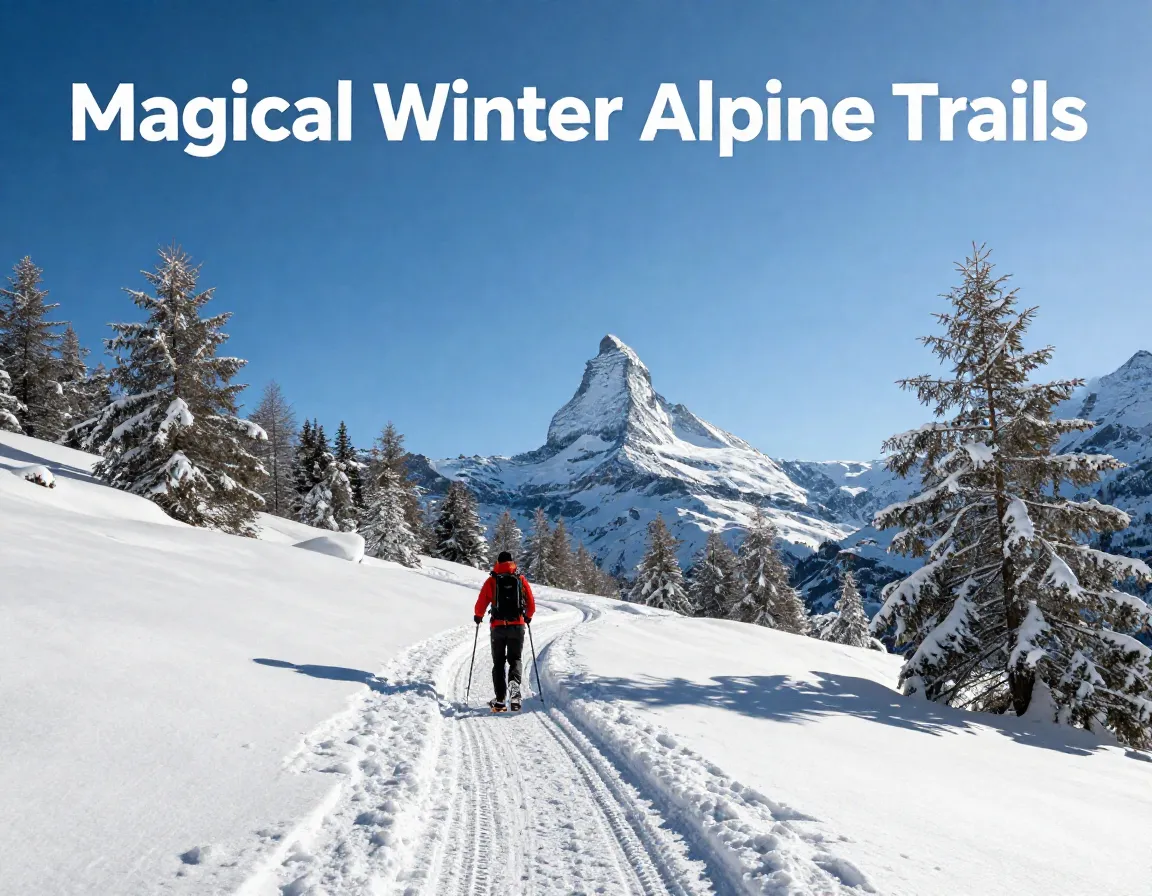
Picture this: crisp mountain air, silence broken only by the crunch of snow underfoot, and a panorama of jagged white peaks stretching endlessly in every direction. Winter in the Swiss Alps is not just for skiers. In 2026, more and more adventurers are discovering that the 8 Magical Winter Hikes and Snowshoe Trails in the Swiss Alps offer some of the most awe-inspiring outdoor experiences on the planet. Whether you are a seasoned trekker or a curious first-timer, these trails promise unforgettable moments in one of Europe’s most stunning landscapes.
Key Takeaways
- ❄️ January, February, and March are the peak months for snow coverage and ideal winter hiking conditions in the Swiss Alps [1]
- 🥾 Trails range from easy 5 km valley walks to challenging 13 km mountain routes, suiting all fitness levels
- 🏔️ Many trails sit between 1,500 m and 2,250 m elevation, offering spectacular views without extreme technical difficulty
- ⚠️ High-altitude passes above 1,500–1,800 m are often closed in winter; always check conditions before heading out [4]
- 🧭 Guided snowshoe tours and well-marked routes make winter hiking accessible even for beginners
Why the Swiss Alps Are Perfect for Winter Hiking
The Swiss Alps are a winter hiker’s dream. Unlike crowded ski resorts, the snowshoe and winter walking trails offer peace, solitude, and raw natural beauty. January through March delivers the most reliable snow coverage in the mountains, while favorable conditions can extend the season from December all the way through April [1].
“The mountains are calling, and in winter, they whisper even louder.”
Not all trails are created equal in winter, though. Low-altitude valley walks below 800 m, gorge trails, and designated snowshoe routes stay accessible, while most high-alpine passes above 1,500–1,800 m are typically closed [4]. Always check local trail conditions before you set out.
The 8 Magical Winter Hikes and Snowshoe Trails in the Swiss Alps
1. Männlichen to Kleine Scheidegg — The Classic Panorama Walk
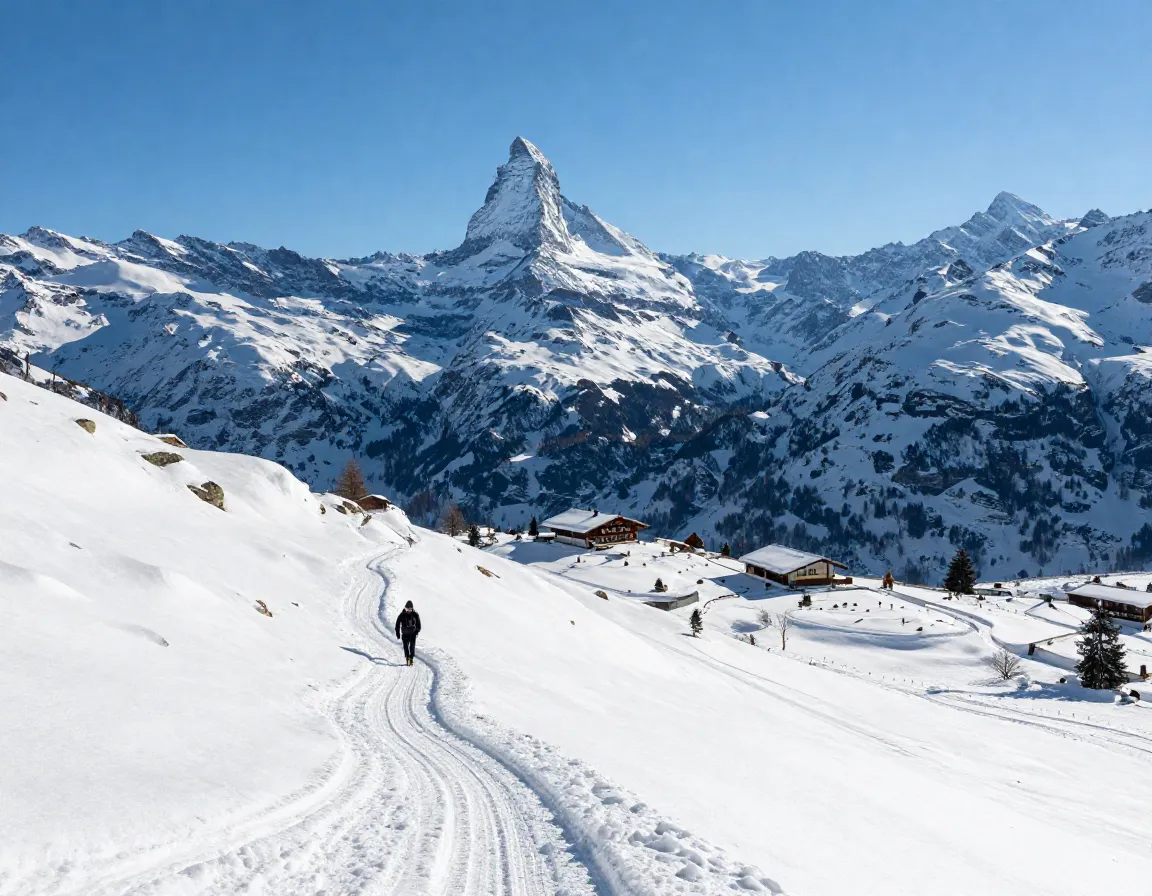
Distance: 5 km | Elevation: 2,230 m | Difficulty: Easy
This is arguably the most iconic easy winter hike in the Bernese Oberland. Starting at Männlichen, the trail descends gently through the Arvengarten — a beautiful alpine garden blanketed in snow — before arriving at the famous mountain restaurant at Kleine Scheidegg [2]. The views of the Eiger, Mönch, and Jungfrau are simply jaw-dropping. Gondolas and trains make access straightforward, so you can focus entirely on the scenery.
Best for: Families, beginners, photographers 📸
2. Grütschalp to Mürren — The High-Altitude Forest Trail
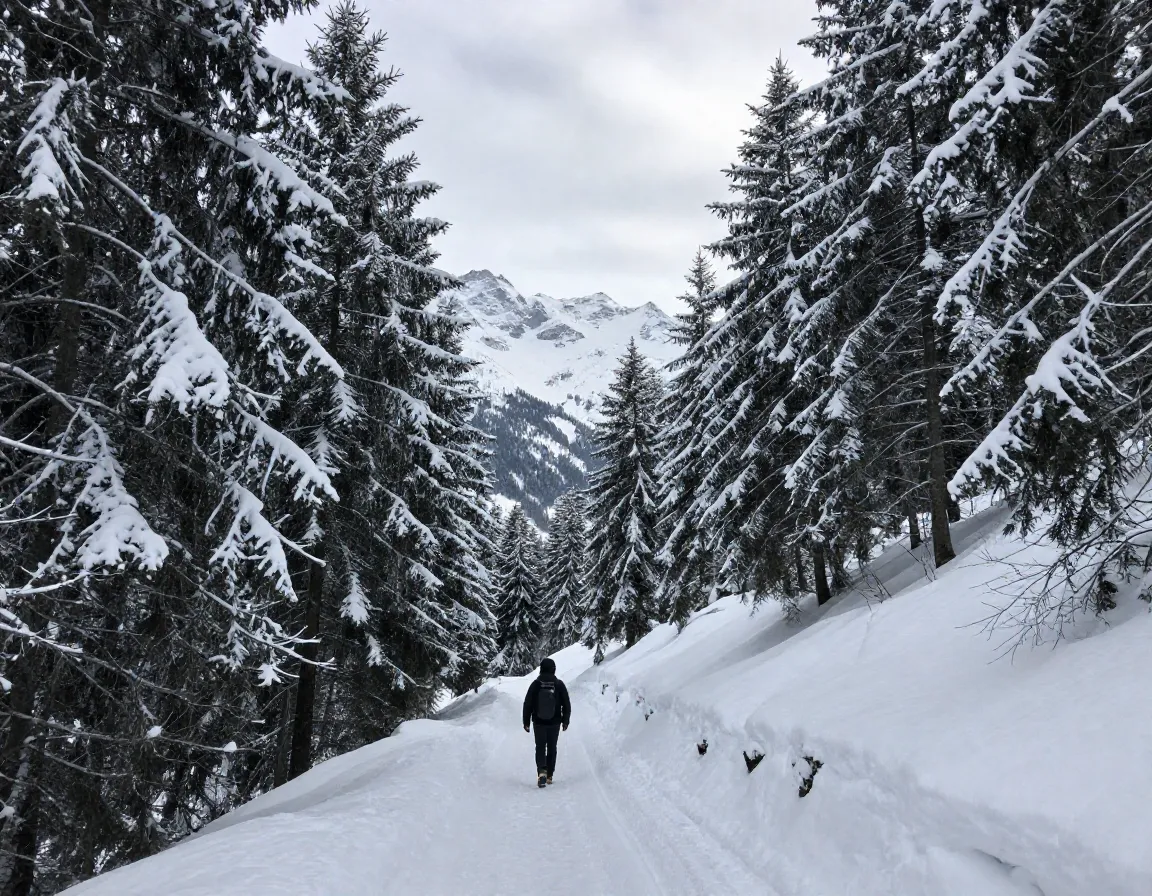
Distance: 5 km | Elevation: 2,230 m | Difficulty: Easy to Moderate
Perched approximately 1,000 metres above the valley floor, this panoramic winter route passes through silent, snow-laden forests before opening up to sweeping views of the Jungfrau peaks [2]. The trail is car-free and reached by cable car from Lauterbrunnen, which adds to its magical, remote feel. The village of Mürren at the end is the perfect reward — cozy, charming, and entirely traffic-free.
Best for: Those seeking solitude and dramatic alpine views 🏔️
3. Hannig Plateau, Saas-Fee — The Sunny Summit Hike
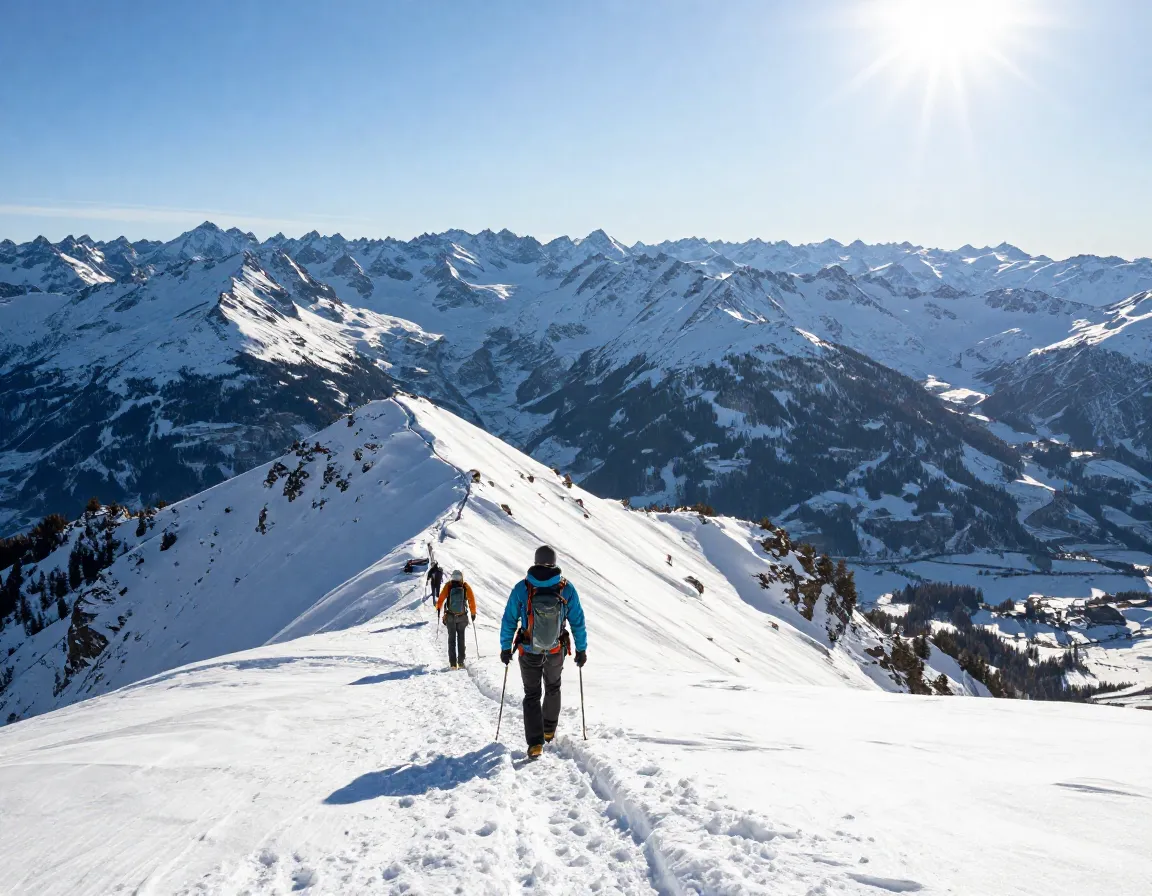
Distance: 6 km | Highest Point: 1,680 m | Difficulty: Moderate
Saas-Fee is known as the “Pearl of the Alps,” and the Hannig hike shows you exactly why. After a steep but rewarding ascent, the trail opens onto the sunny Hannig plateau, where you are rewarded with panoramic views of some of Switzerland’s mightiest peaks [2]. The south-facing orientation means this trail often catches more sunshine than others — a welcome bonus on a winter’s day.
Best for: Sun-seekers and those wanting a satisfying workout ☀️
4. Silvaplana–Sils-Maria–Maloja — The Frozen Lake Walk
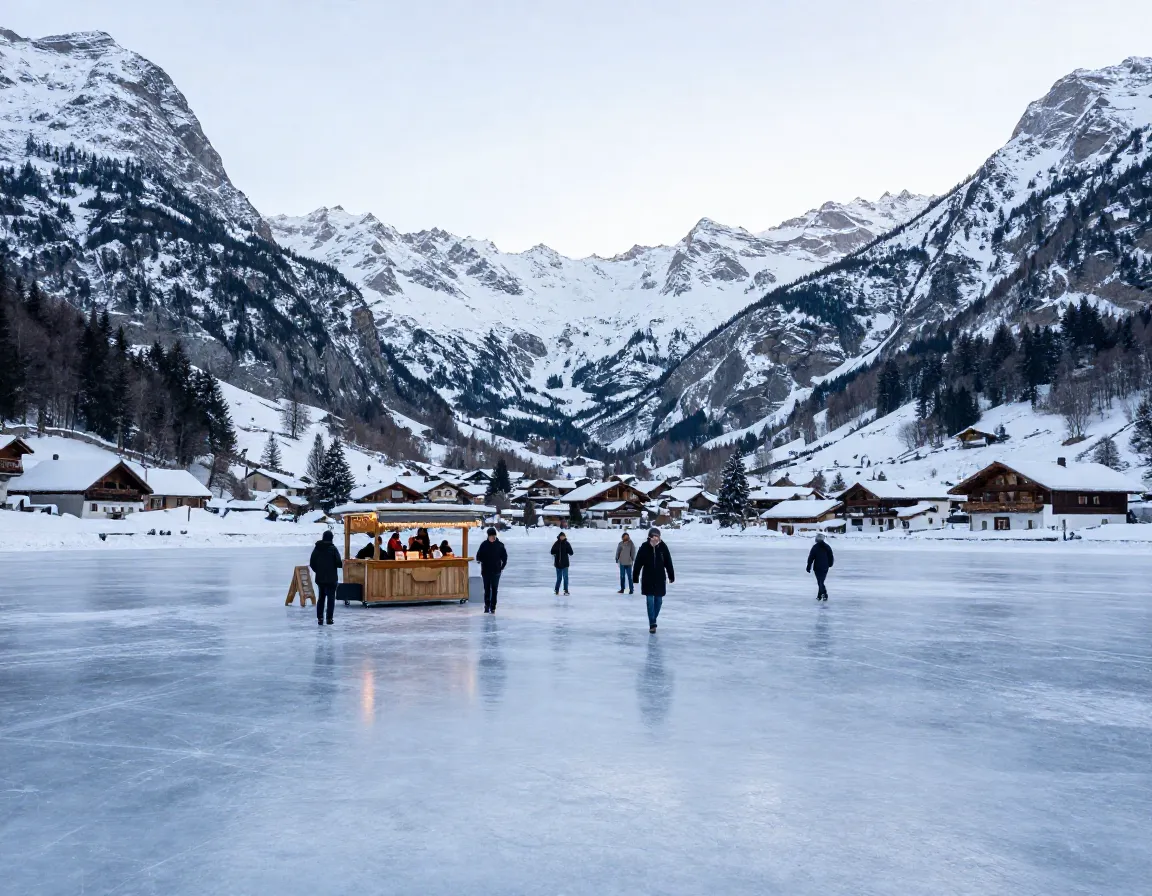
Distance: 5 km | Elevation: 2,250 m | Difficulty: Easy
This is one of the most unique winter experiences in all of Switzerland. The route traverses the frozen surface of Lake Sils in the Engadine Valley, and when conditions allow, a small pop-up bar operates right in the middle of the lake [2]. Imagine sipping a warm drink surrounded by snow and mountains — it does not get more magical than that. The trail connects three charming Engadine villages and is flat and accessible for all.
Best for: Families, casual walkers, and anyone who wants a truly unforgettable story to tell 🍵
5. Schanfigg Valley — The Viaduct Trail
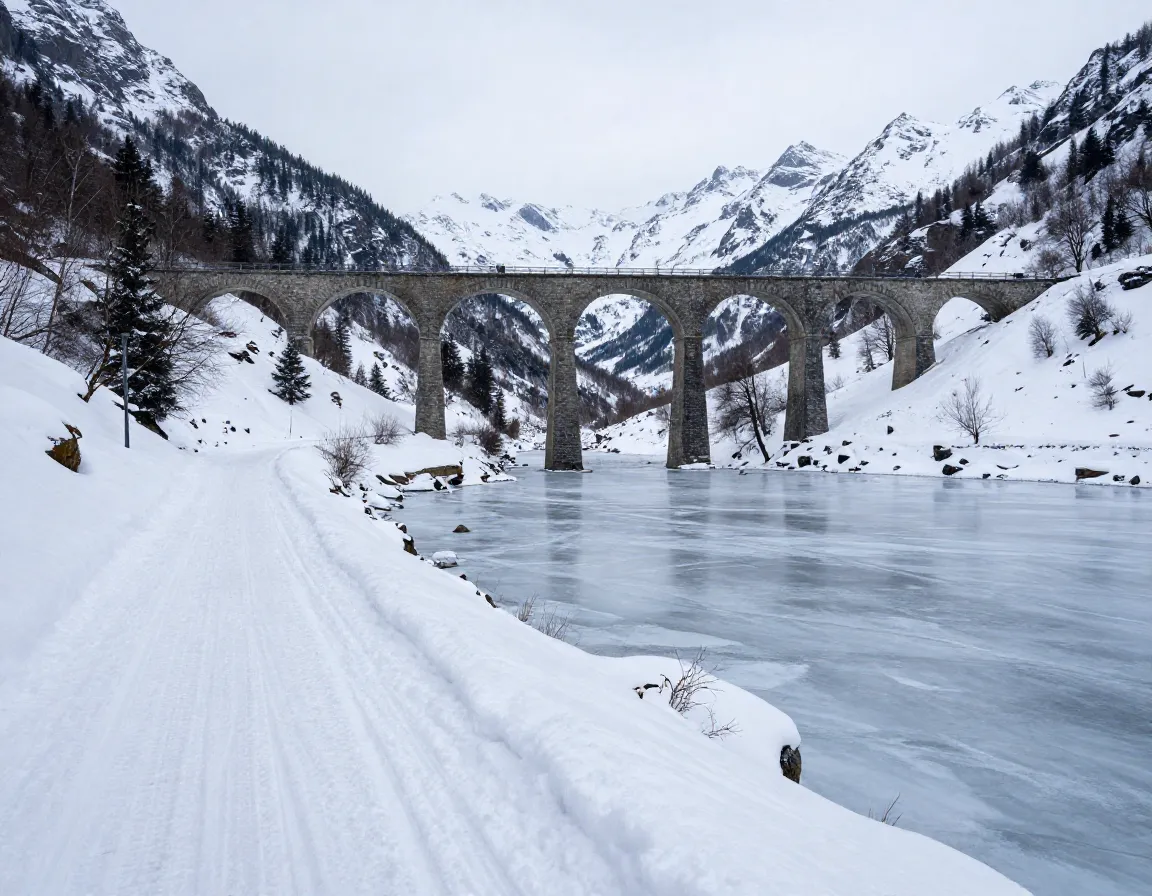
Distance: 13 km | Elevation: 1,815 m | Difficulty: Moderate to Challenging
For those who want a longer winter adventure, the Schanfigg Valley trail delivers. Running through the scenic Plessur River valley, this route passes a frozen reservoir and the architecturally stunning Langwieser Viaduct — a photographer’s dream in any season [2]. At 13 km, it is the longest trail on this list, so proper preparation and layering are essential.
| Feature | Details |
|---|---|
| Distance | 13 km |
| Elevation | 1,815 m |
| Highlight | Langwieser Viaduct & frozen reservoir |
| Difficulty | Moderate to Challenging |
Best for: Experienced hikers and photography enthusiasts 🌉
6. Leukerbad–Gemmi Pass–Kandersteg — The Alpine Pass Crossing

Distance: ~10 km | Difficulty: Challenging
This dramatic route crosses from the southern to the northern Alps, linking the thermal spa town of Leukerbad with the picturesque village of Kandersteg [1]. The Gemmi Pass section offers breathtaking views and a genuine sense of alpine adventure. Because of its elevation and exposure, this trail is best attempted in stable weather with proper winter hiking gear and ideally with a local guide.
Best for: Experienced winter hikers seeking a true alpine challenge 🧗
7. Engadine Valley Snowshoe Trails — The Glacier Experience

Distance: Varies | Region: Upper Engadine | Difficulty: Easy to Moderate
The Upper Engadine is a snowshoer’s paradise. The region offers multiple scenic winter trails, including the famous Morteratsch Glacier trail near Pontresina and the scenic route from Maloja to St. Moritz [1]. These trails wind through pristine snow-covered forests and open meadows, with the glittering glacier as a constant backdrop. In early 2026, guided 5-night snowshoe tours covering 27 km of epic Swiss landscapes were available in this region [3] — a fantastic option for those who want expert guidance.
Best for: Snowshoers of all levels, glacier enthusiasts, guided tour seekers ❄️
8. Täsch–Zermatt Valley Walk — The Matterhorn Trail
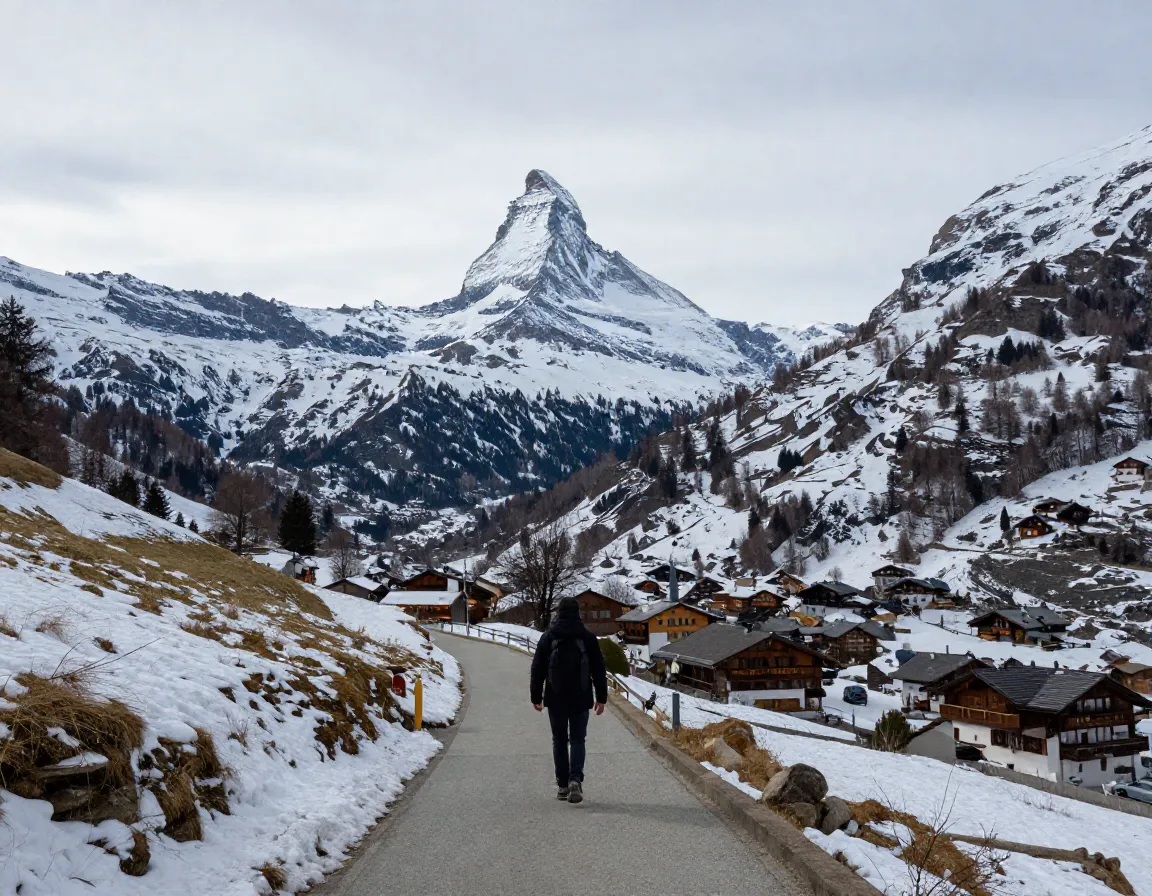
Distance: ~8 km | Region: Matter Valley | Difficulty: Easy
No list of the 8 Magical Winter Hikes and Snowshoe Trails in the Swiss Alps would be complete without a Matterhorn route. The valley walk from Täsch to Zermatt follows the Matter Valley floor, offering increasingly dramatic views of the iconic Matterhorn as you approach the village [1]. The trail is well-maintained and accessible, making it perfect for those who want big mountain drama without technical difficulty. Zermatt itself is car-free, adding to the serene, alpine atmosphere.
Best for: First-time visitors to Switzerland, Matterhorn fans, easy-paced walkers 🏔️
Essential Tips for Winter Hiking in the Swiss Alps
Before you lace up your boots, keep these key points in mind:
- ✅ Check trail conditions before every hike — closures above 1,500–1,800 m are common in deep winter [4]
- ✅ Dress in layers — temperatures can drop rapidly, especially above 2,000 m
- ✅ Wear proper footwear — waterproof boots with good ankle support are non-negotiable
- ✅ Carry trekking poles — they provide stability on icy or uneven terrain
- ✅ Tell someone your plan — always share your route and expected return time
- ✅ Use Swiss public transport — trains and gondolas connect most trailheads efficiently
“Preparation is the difference between a magical day and a dangerous one.”
Conclusion
The 8 Magical Winter Hikes and Snowshoe Trails in the Swiss Alps offer something for everyone — from gentle frozen lake walks to dramatic alpine pass crossings. Whether you are drawn to the iconic Matterhorn views near Zermatt, the surreal experience of drinking coffee on a frozen lake in the Engadine, or the sweeping panoramas above Mürren, Switzerland’s winter trails deliver memories that last a lifetime.
Your actionable next steps:
- Choose your trail based on your fitness level and the table/details above
- Book accommodation in a nearby village — Zermatt, Saas-Fee, and St. Moritz all offer excellent options
- Check trail conditions at the Swiss Alpine Club or local tourist office before you go
- Consider a guided tour if you are new to winter hiking — the 27 km guided snowshoe experience in the Engadine is a great starting point [3]
- Pack smart, stay safe, and enjoy every step of these extraordinary winter landscapes ❄️🏔️
References
[1] Winter – https://www.myswissalps.com/activities/hiking/winter/
[2] Winter Walking In Switzerland – https://www.swissholidayco.com/Winter-Walking-In-Switzerland
[3] Switzerland Snowshoe Trail 26 – https://www.walkingwomen.com/ww-holidays/switzerland-snowshoe-trail-26/
[4] Hiking Switzerland Winter – https://huttohuthikingswitzerland.com/blog/hiking-switzerland-winter