8 Life-Changing Experiences From Summiting Kilimanjaro Mountain Tanzania
Imagine standing at 5,895 meters above sea level, watching the sun rise over the African continent while tears freeze on your cheeks. That moment — raw, earned, and unforgettable — is what waits at the top of Africa’s highest peak. The 8 Life-Changing Experiences From Summiting Kilimanjaro Mountain Tanzania go far beyond a physical challenge. They reshape how you see yourself, other people, and the world around you.
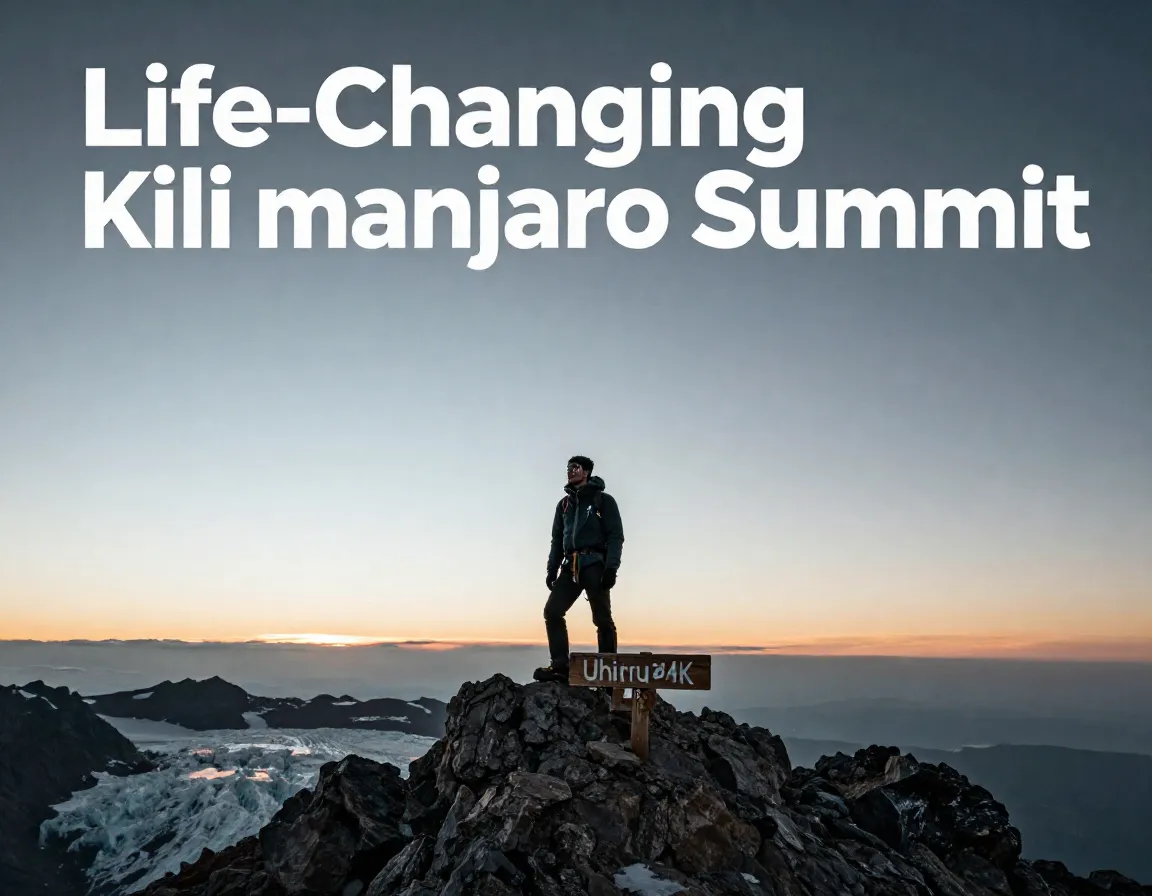
Every year, approximately 50,000 climbers attempt to reach Uhuru Peak [3], and those who make it carry something home that no souvenir shop can sell. Whether you are a seasoned adventurer or a first-time trekker, the mountain has a way of changing you at the core. In 2026, with climbing costs ranging from $1,800 to $6,500 per person depending on your route and operator [4], this is an investment in transformation — not just tourism.
Key Takeaways 🏔️
- Kilimanjaro is accessible to non-technical climbers, yet still profoundly challenging and life-changing.
- About 50,000 people attempt the climb annually, with an overall success rate of 65–80% across all routes [1].
- The Northern Circuit route offers the highest success rate at 95%+, thanks to its 9-day acclimatization schedule [2].
- The summit experience delivers 8 distinct transformations — from mental resilience to a new global perspective.
- Proper preparation and route selection dramatically improve your chances of reaching Uhuru Peak.
The 8 Life-Changing Experiences From Summiting Kilimanjaro Mountain Tanzania
1. Discovering Your True Mental Strength
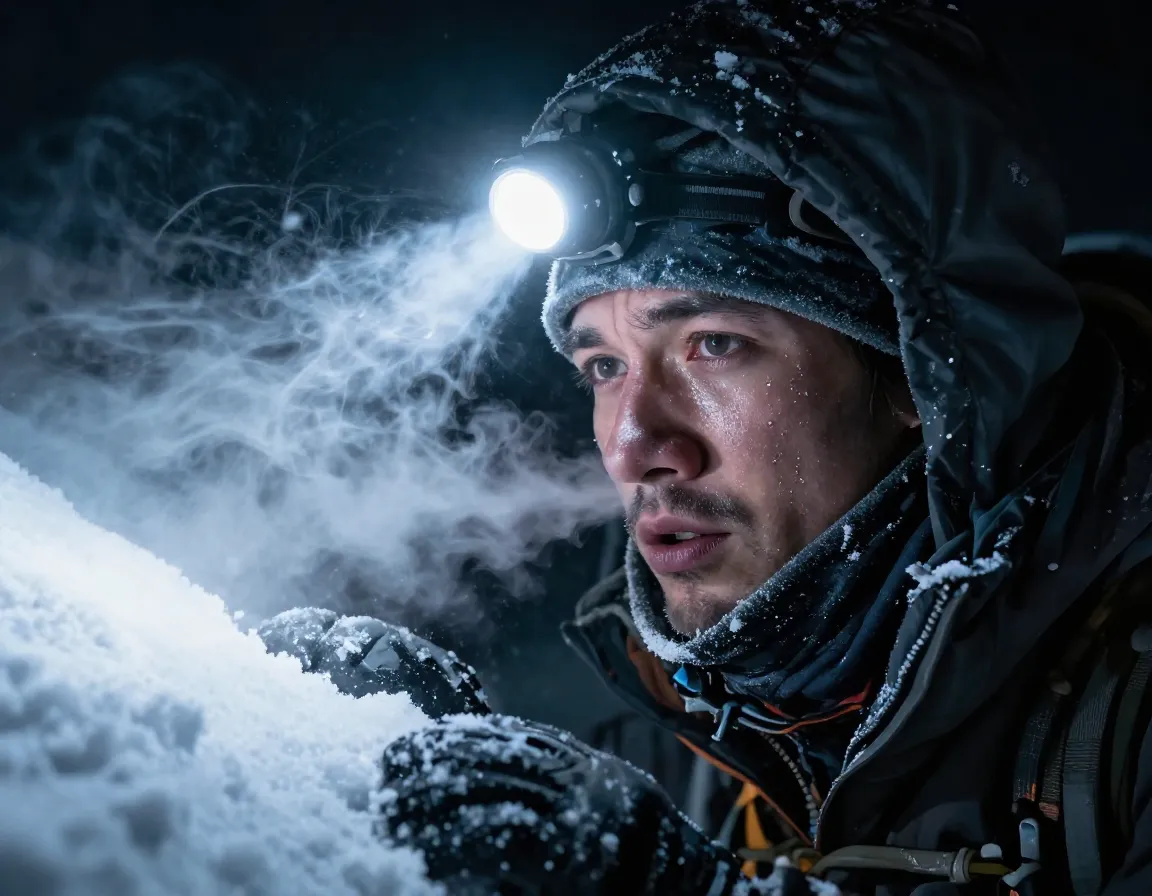
Most climbers say the hardest part of Kilimanjaro is not the cold or the altitude — it is the voice in your head telling you to stop.
The mountain strips away every distraction. No phone signal. No work emails. No social media. What remains is just you and the trail ahead. When your legs ache and your lungs burn at 4,500 meters, you learn something powerful: your mind gives up long before your body does.
“The summit is not the top of the mountain — it is the top of yourself.” — A common sentiment among Kilimanjaro guides
Pushing through that mental wall and reaching Uhuru Peak rewires your brain. After the climb, everyday challenges feel smaller. Deadlines, difficult conversations, setbacks — they all look different when you have already conquered Africa.
2. Experiencing Five Climate Zones in One Journey
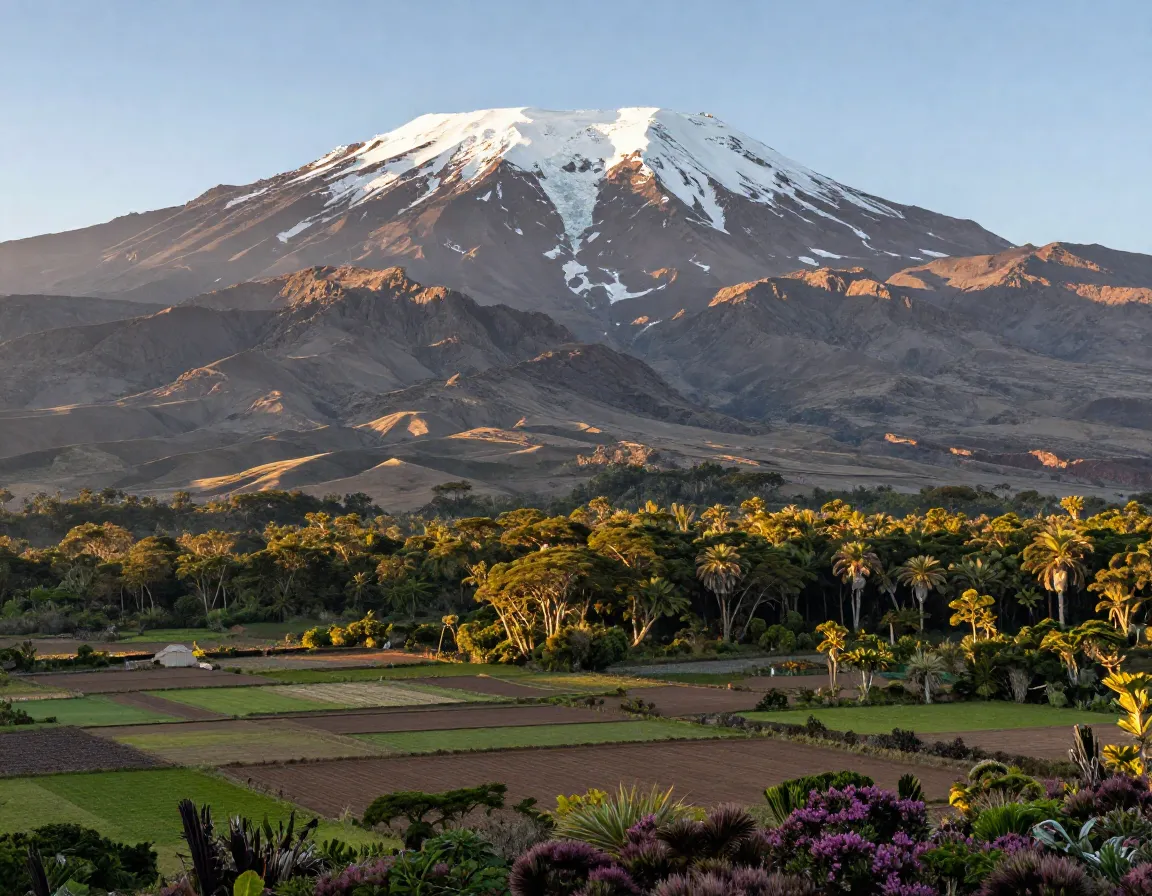
Kilimanjaro is often called a “world in miniature.” As you ascend, you pass through five distinct ecological zones:
| Zone | Altitude Range | Landscape |
|---|---|---|
| Cultivated Zone | 800–1,800m | Farms, banana trees |
| Rainforest | 1,800–2,800m | Dense jungle, wildlife |
| Heath & Moorland | 2,800–4,000m | Giant heathers, lobelias |
| Alpine Desert | 4,000–5,000m | Rocky, barren terrain |
| Arctic Summit | 5,000–5,895m | Ice, snow, glaciers |
This ecological journey is one of the most visually stunning aspects of the entire Kilimanjaro mountain Tanzania experience. In a single week, you walk through environments that normally span entire continents.
3. Building Bonds That Last a Lifetime
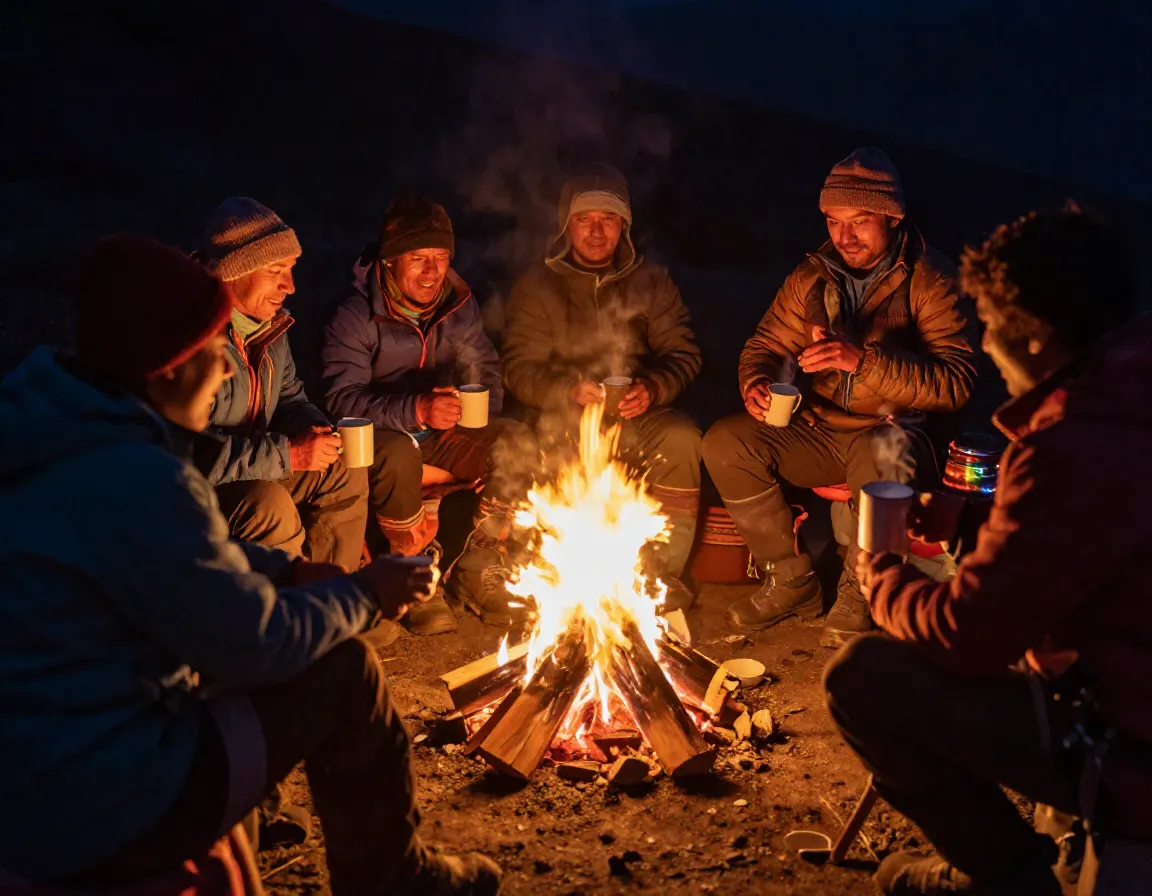
There is something about shared suffering that creates deep, lasting connection.
On the mountain, your climbing group becomes your family. You cheer each other on during night summit pushes. You share snacks, jokes, and silence. Guides and porters — many from local Chagga communities — share stories that open your eyes to a different way of living.
Key social experiences include:
- 🤝 Evening campfire conversations with guides and fellow climbers
- 🎵 Hearing porters sing traditional songs at camp
- 💪 Physically supporting a teammate who is struggling
- 🌍 Meeting climbers from dozens of different countries
These connections often outlast the climb itself. Many Kilimanjaro veterans stay in touch with their guides and fellow trekkers for years afterward.
4. Gaining a Radical New Perspective on Life

At 5,895 meters, you can see the curvature of the Earth. Below you, the African savanna stretches endlessly. The problems that felt enormous at home look very small from up there.
This is not just poetic — it is neurological. Studies on awe-inducing experiences show that moments of vastness genuinely shift how we process our place in the world. Kilimanjaro delivers that shift in abundance.
Many climbers report returning home with:
- Greater gratitude for simple comforts (a warm bed, clean water)
- Reduced anxiety about career and social pressures
- A stronger sense of personal purpose
- Renewed commitment to health and fitness
5. Learning the Power of Slow and Steady Progress
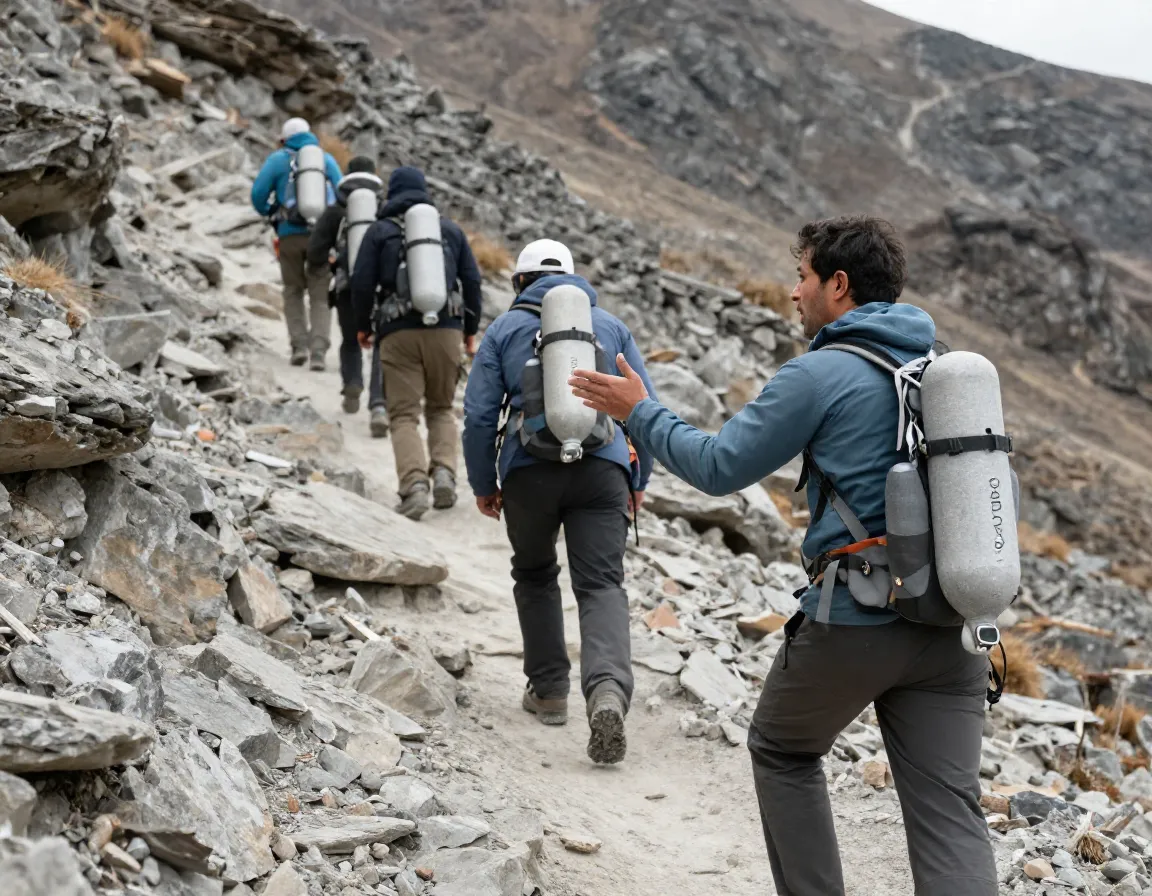
“Pole pole” — Swahili for “slowly, slowly” — is the guiding philosophy of Kilimanjaro. Guides repeat it constantly, because rushing is the fastest way to fail.
The overall summit success rate sits between 65–80% across all routes [1]. The climbers who succeed are rarely the fittest. They are the most patient. Those who choose longer routes dramatically improve their odds — the Northern Circuit’s 9-day itinerary boasts a 95%+ success rate precisely because it allows more time for acclimatization [2].
This lesson transfers directly to real life. Big goals — building a business, improving health, learning a skill — respond to the same philosophy: consistent, patient, deliberate progress beats frantic bursts of effort every time.
6. Confronting and Overcoming Fear
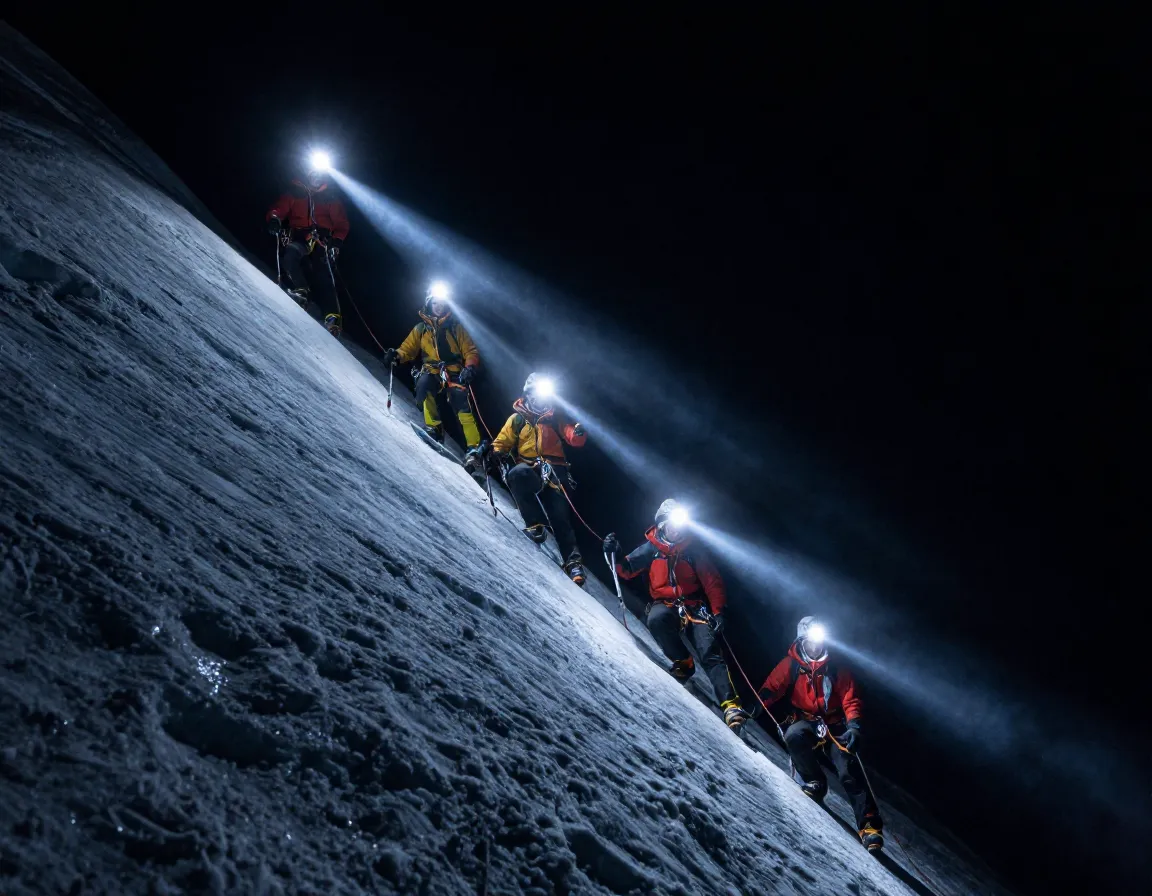
Fear is a constant companion on Kilimanjaro. Fear of altitude sickness. Fear of failure. Fear of the dark during the midnight summit push. Fear of the cold that bites through every layer.
The summit night is the most demanding: climbers typically depart Barafu Camp between midnight and 2 AM, ascending in darkness for 6–8 hours. The temperature can drop to -20°C (-4°F). Every step requires intention.
Common fears climbers face and overcome:
- Fear of physical failure
- Fear of altitude sickness (AMS)
- Fear of the unknown — navigating unfamiliar terrain
- Fear of disappointing others
- Fear of one’s own limits
Facing these fears — and walking through them anyway — builds a kind of courage that is hard to find anywhere else.
7. Developing Deep Environmental Awareness
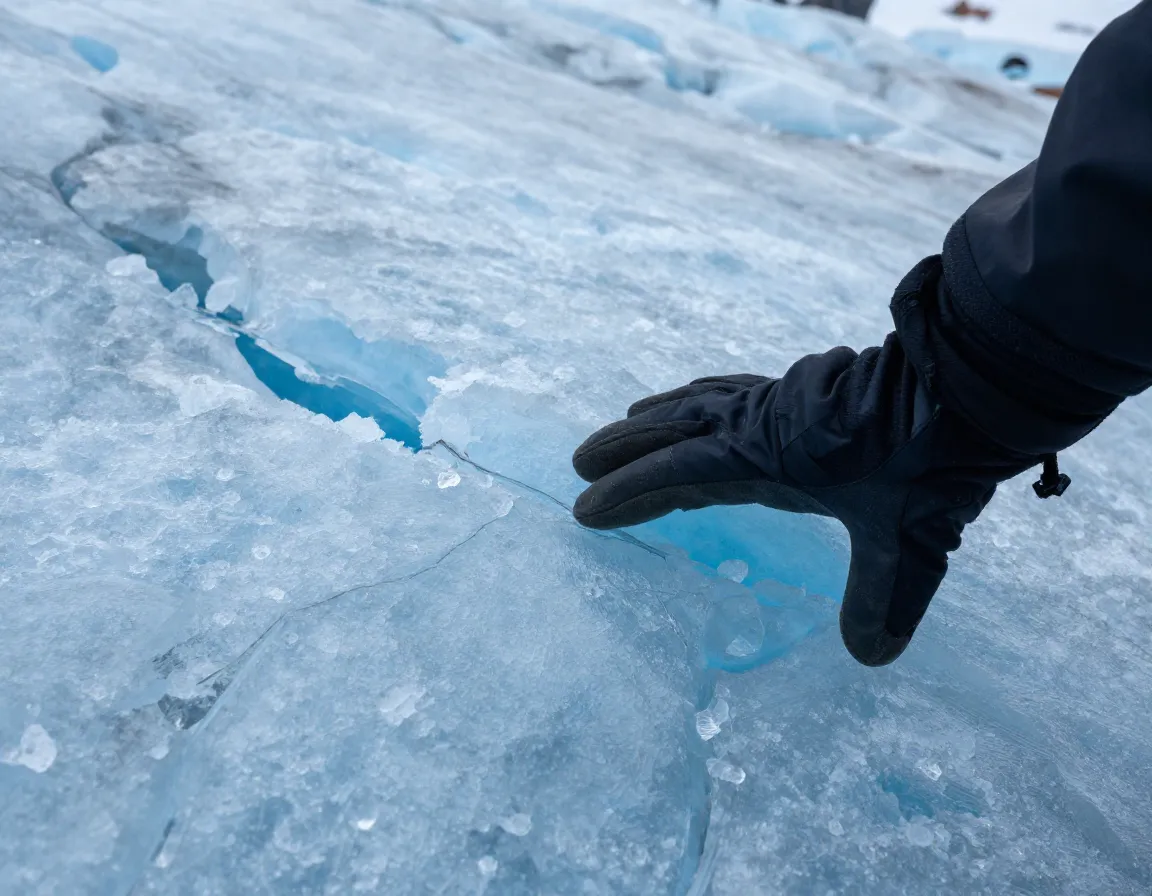
Kilimanjaro’s glaciers are retreating at an alarming rate. Scientists estimate that the ice fields visible from Uhuru Peak could disappear within decades. Standing next to ancient glaciers — knowing they may not exist for future generations — creates a profound environmental awakening.
Many climbers return home as passionate environmental advocates. They reduce their carbon footprint, support conservation organizations, and speak publicly about climate change in ways they never did before.
The mountain makes the issue personal. That is something no documentary or news article can fully replicate.
8. Proving to Yourself That You Are Capable of More
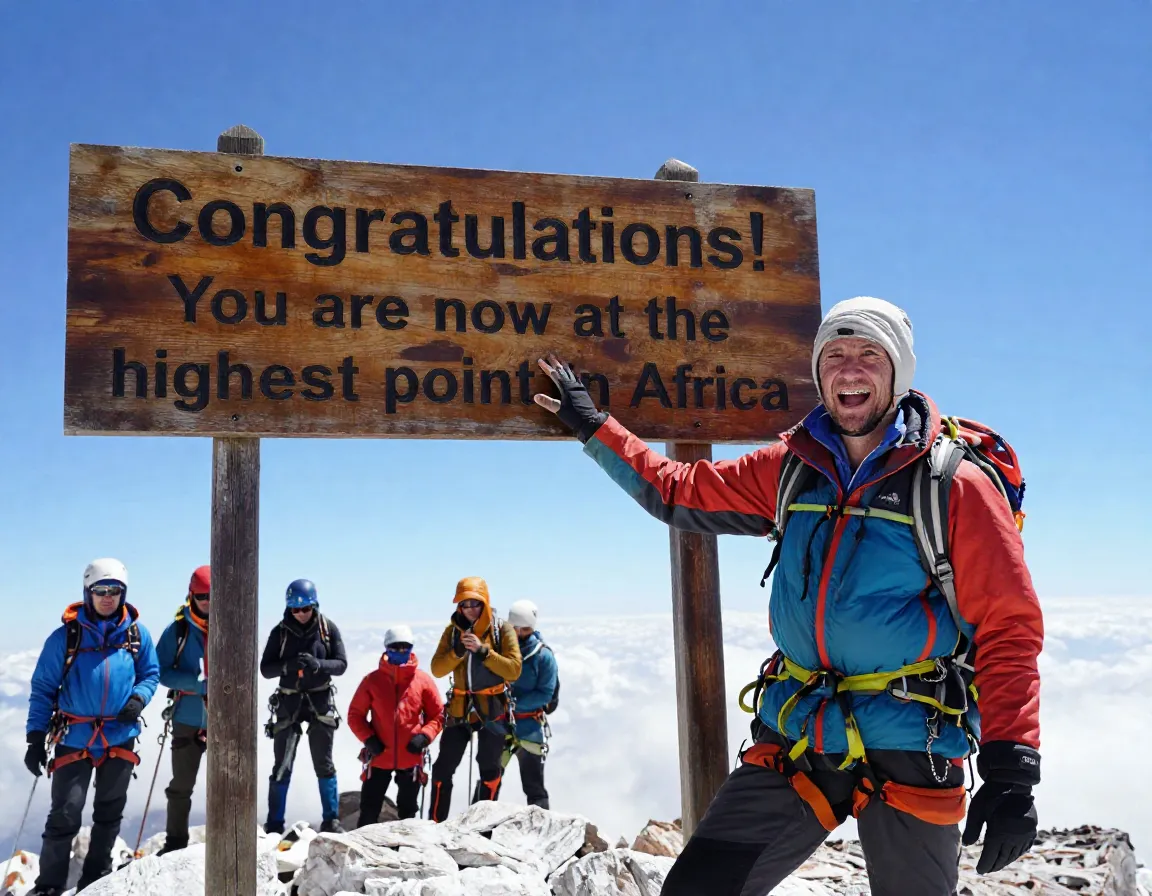
This is perhaps the most powerful of all the 8 Life-Changing Experiences From Summiting Kilimanjaro Mountain Tanzania.
When you touch that famous wooden sign at Uhuru Peak — the one that reads “Congratulations! You are now at the highest point in Africa” — something fundamental shifts. You have proof. Undeniable, physical, earned proof that you are capable of more than you thought.
“The mountain doesn’t care about your excuses. And once you’ve stood at the top, neither do you.”
Climbers consistently report that summiting Kilimanjaro becomes a reference point for every future challenge. Job interviews, difficult conversations, creative risks — they all feel more manageable when you can say, “I climbed Kilimanjaro.”
Practical Planning Tips for Your Kilimanjaro Journey
Before you book, here are the most important factors to consider:
Route Selection:
- 🥇 Northern Circuit (9 days) — 95%+ success rate, highest cost, most remote [2]
- 🥈 Lemosho (7–8 days) — Excellent scenery, ~85% success rate
- 🥉 Machame (6–7 days) — Most popular, ~85% success rate
- ⚠️ Marangu (5–6 days) — Lowest success rate (~50%), cheapest option
Budget Breakdown (2026):
| Cost Tier | Price Range | What You Get |
|---|---|---|
| Budget | $1,800–$2,500 | Basic service, shorter routes |
| Mid-Range | $2,500–$4,000 | Quality guides, longer routes |
| Premium | $4,000–$6,500 | Full service, private groups [4] |
Top Preparation Tips:
- Train for 3–6 months with cardio and hiking
- Choose a route of at least 7 days for better acclimatization
- Book with a reputable, licensed operator
- Invest in quality cold-weather gear
- Consult a doctor about altitude sickness medication
Conclusion: Your Mountain Is Waiting
The 8 Life-Changing Experiences From Summiting Kilimanjaro Mountain Tanzania — mental strength, ecological wonder, human connection, fresh perspective, patient progress, conquered fear, environmental awareness, and proven capability — represent a transformation that very few adventures can match.
With roughly 50,000 people attempting the climb each year [3] and success rates climbing as high as 95% on the right route [2], Kilimanjaro is both achievable and extraordinary. The mountain does not require you to be superhuman. It only requires you to show up, move slowly, and refuse to quit.
Your actionable next steps:
- ✅ Research licensed operators and compare routes for 2026
- ✅ Begin a structured fitness program today
- ✅ Consult your doctor about altitude preparation
- ✅ Budget carefully — plan for $2,500–$4,000 for a quality mid-range experience [4]
- ✅ Book at least 6–12 months in advance for peak season slots
Pole pole. The summit is waiting for you.
References
[1] Kilimanjaro Success Rates – https://www.climbing-kilimanjaro.com/kilimanjaro-success-rates/
[2] Kilimanjaro Success Rate (By Route) – https://www.climbkilimanjaroguide.com/kilimanjaro-success-rate/
[3] How Many People Climb Kilimanjaro – https://www.africanaturaltours.com/kilimanjaro-climbing/how-many-people-climb-kilimanjaro.html
[4] Kilimanjaro Climbing Guide 2026 Routes Costs What To Expect – https://www.machupicchu.org/kilimanjaro-climbing-guide-2026-routes-costs-what-to-expect.htm