8 Essential Gear Items for Taking Cool Nature Photos in 2026
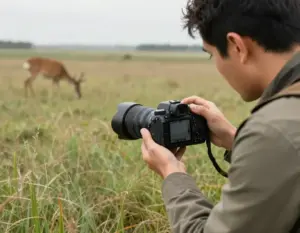
Have you ever come home from a hike with blurry, washed-out shots that don’t come close to capturing what you actually saw? I’ve been there. The truth is, knowing the 8 Essential Gear Items for Taking Cool Nature Photos can be the difference between a forgettable snapshot and a stunning image that stops people mid-scroll. Whether you’re chasing birds through a wetland or photographing wildflowers at golden hour, the right tools make all the difference.
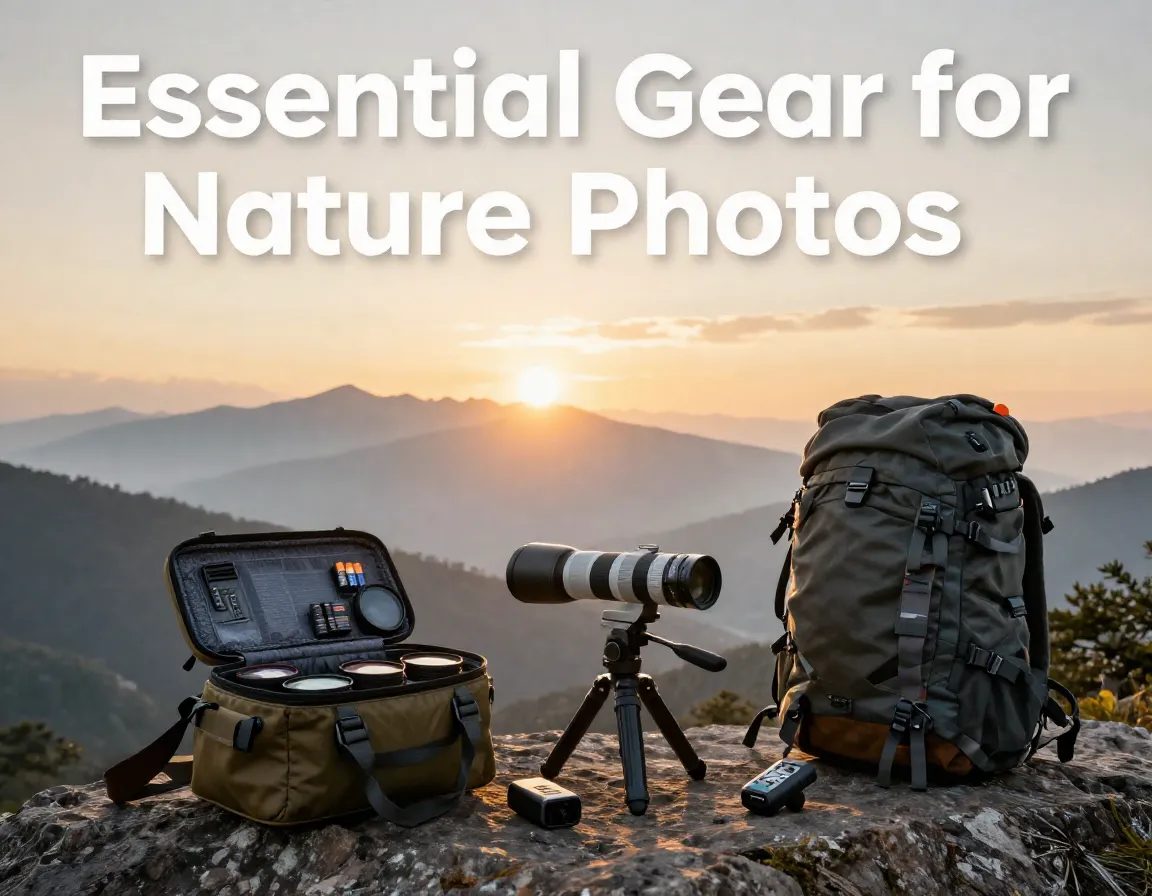
In this guide, I’ll walk you through every piece of kit that serious nature photographers rely on in 2026 — from cameras and lenses to filters and support systems — so you can head into the field fully prepared.
Key Takeaways
- 📷 Camera body choice matters: Look for weather sealing, fast autofocus, and good high-ISO performance for nature work.
- 🔭 Telephoto lenses (400–600mm) are the industry standard for capturing wildlife without disturbing animals [3].
- 🦺 Support gear like tripods and bean bags dramatically reduce blur and fatigue during long shoots.
- 🌈 Optical filters — UV, polarizing, and ND — improve image quality across all lighting conditions [3].
- 🎒 Lightweight, weather-sealed gear is especially important for backpacking trips into remote locations [2].
The Complete List: 8 Essential Gear Items for Taking Cool Nature Photos
Let’s break down each item in detail, including top product recommendations and what to look for when buying.
1. A Capable Camera Body

Your camera is the foundation of everything. For nature photography in 2026, you need a body that handles fast-moving subjects, low light, and unpredictable weather.
Top picks:
| Camera | Best For | Key Feature |
|---|---|---|
| Canon EOS R6 II | Mid-range all-rounder | Strong AF, great low light [1] |
| Canon EOS R7 | Reach on a budget | 1.6x crop factor extends focal length [1] |
| OM System OM-1 Mark II | Backpacking trips | Lightweight + weather-proofed [2] |
| Pentax K-70 | Budget shooters | Wide ISO range, weather-sealed [3] |
💡 Pro tip: The Canon EOS R7’s 1.6x crop factor effectively turns a 400mm lens into a 640mm equivalent — a huge advantage for wildlife photography without the price tag of a longer lens [1].
The OM System OM-1 Mark II is particularly worth mentioning for hikers. It’s significantly lighter than comparable Nikon options and delivers outstanding image quality on multi-day backpacking trips [2].
2. A Telephoto Lens (400–600mm)
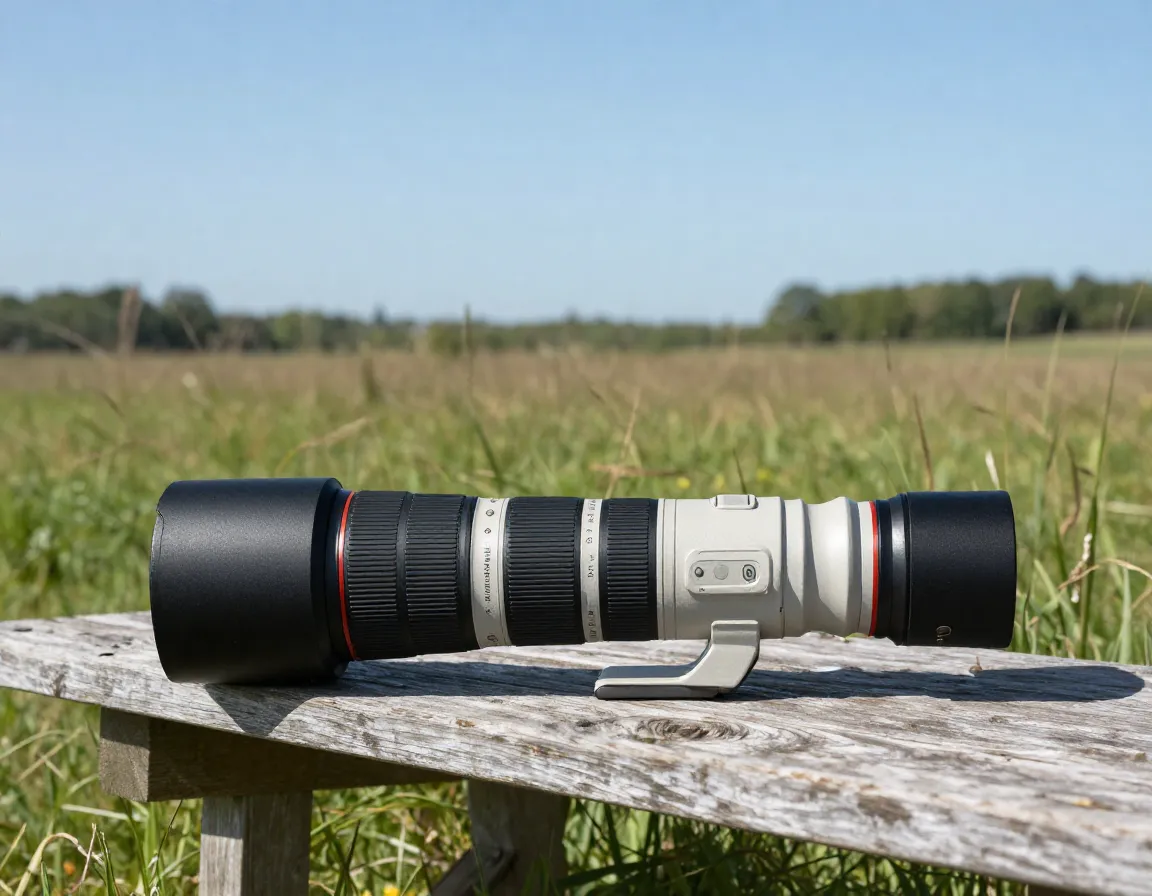
If there’s one piece of gear that defines nature and wildlife photography, it’s the telephoto lens. The industry standard range sits between 400mm and 600mm, giving you enough reach to photograph shy animals without getting close enough to disturb them [3].
Top lens recommendations:
- Canon RF 600mm f/11 IS STM — Lightweight build with 5-stop image stabilization; the top Canon pick for wildlife [3]
- Sony FE 200-600mm f/5.6-6.3 G OSS — Best super-telephoto zoom overall; sharp, fast autofocus, and durable [3]
- Tamron SP 150-600mm f/5-6.3 Di VC USD G2 — Excellent performance at a more affordable price point, with a versatile zoom range [3]
The Sony FE 200-600mm stands out for its combination of sharpness and autofocus speed — critical when photographing birds in flight or mammals on the move [3].
3. A Sturdy Tripod
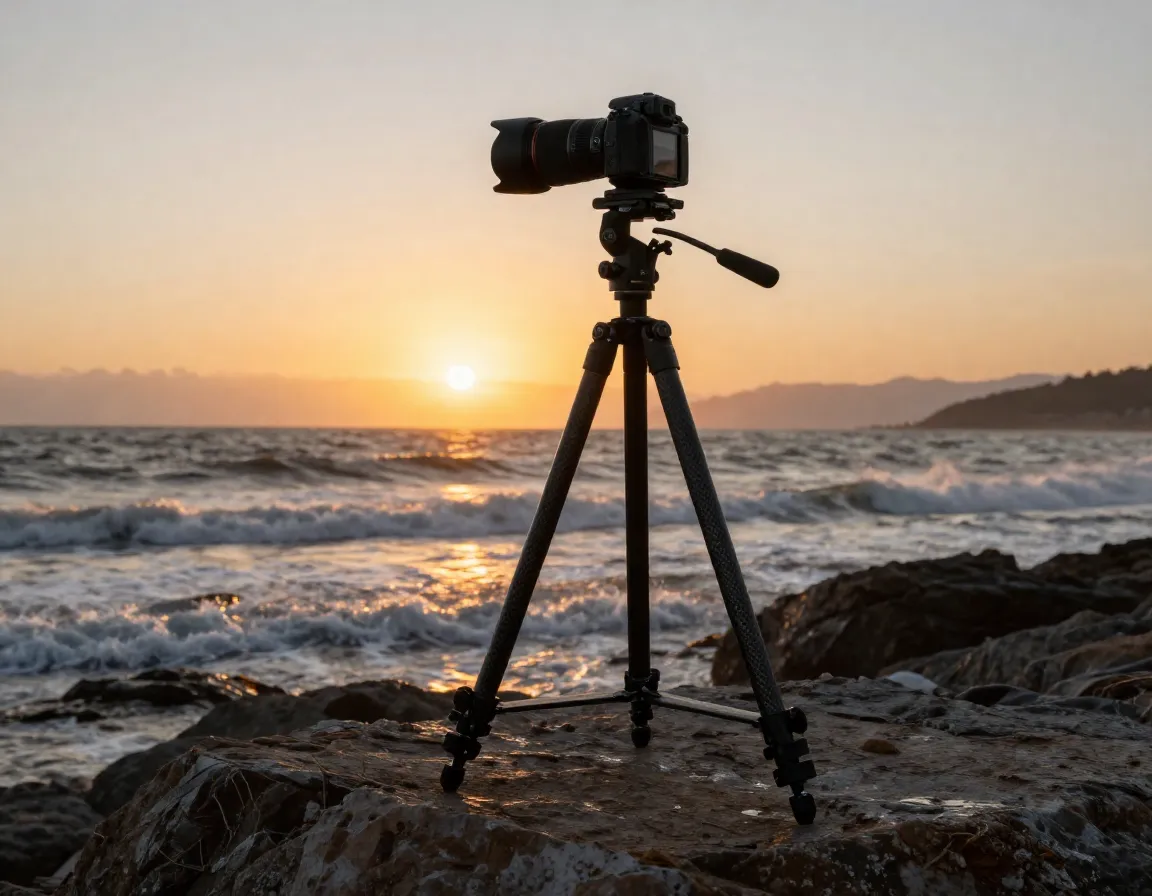
Even the best camera and lens combination will produce blurry images if your hands are shaking. A sturdy tripod is non-negotiable for low-light shooting and slow shutter speeds [3].
What to look for:
- Carbon fiber construction for lightweight durability during long hikes
- Quick-release plates for fast camera attachment and removal in the field [3]
- Adjustable legs that lock securely on uneven terrain [3]
- A ball head with smooth panning for tracking moving subjects
“Even minimal camera movement causes blurriness when shooting at slow shutter speeds — a tripod is your best insurance policy against wasted shots.” [3]
4. A Camera Bean Bag
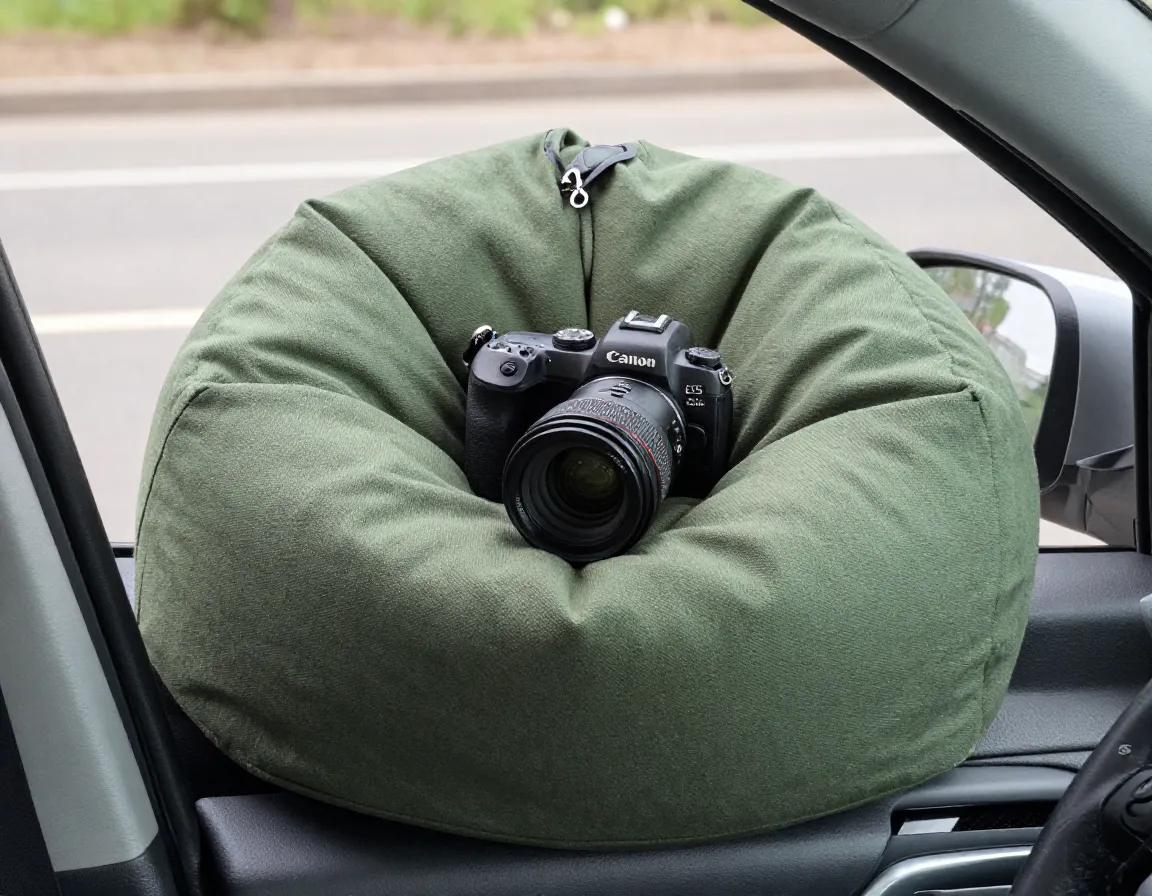
Sometimes a tripod isn’t practical — you’re shooting from a car window, lying flat on the ground, or perched on a rock. That’s where a camera bean bag saves the day.
The LensCoat LensSack Pro is a top recommendation in this category. It offers:
- ✅ Excellent stability for heavy telephoto lenses
- ✅ Water-resistant material for wet conditions
- ✅ A removable mounting plate for flexible positioning [3]
Bean bags conform to any surface, making them incredibly versatile for field use. I keep one in my bag on every shoot.
5. Optical Filters

Filters are small accessories that make a big impact on image quality. Three types are essential for nature photography [3]:
- UV Filters — Reduce atmospheric haze and protect your front element from scratches and dust
- Circular Polarizing Filters (CPL) — Cut reflections on water, deepen blue skies, and boost color saturation in foliage
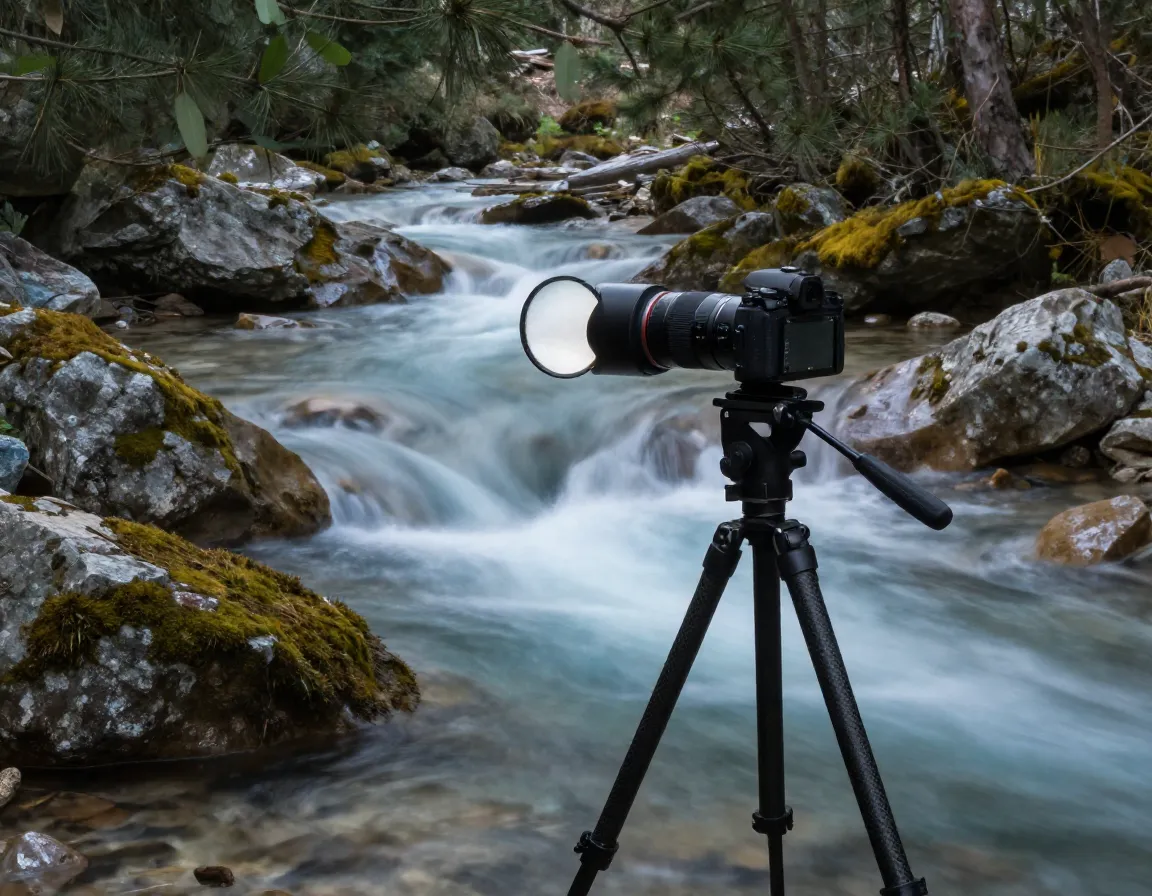
- Neutral Density (ND) Filters — Prevent overexposure in bright sunlight and allow creative long-exposure effects like silky waterfalls
💡 Quick tip: Always buy filters that match your lens diameter (printed on the lens cap) to avoid costly adapters.
6. Extra Batteries and Memory Cards
Nothing kills a shoot faster than a dead battery or a full memory card. Nature photography demands long hours in the field, and modern mirrorless cameras are especially power-hungry.
Best practices:
- Carry at least two fully charged batteries — three for full-day shoots
- Use fast SD or CFexpress cards that can handle burst shooting without slowing down
- Store cards in a waterproof case to protect against rain and humidity
- Label used cards clearly to avoid accidentally overwriting images
This is unglamorous gear, but it’s one of the most important items on this list of 8 Essential Gear Items for Taking Cool Nature Photos.
7. A Weather-Sealed Camera Bag

Your gear is only as protected as the bag carrying it. A weather-sealed camera bag keeps your equipment safe from rain, dust, and impact during hikes and travel.
Key features to prioritize:
- Waterproof or water-resistant outer shell
- Customizable padded dividers to fit your specific gear layout
- Hip belt and chest strap for comfortable weight distribution on long hikes
- Quick-access pockets for filters, batteries, and memory cards
- Tripod attachment straps on the outside
For backpacking trips specifically, look for bags in the 20–35L range that balance gear capacity with trail-friendly ergonomics [2].
8. A Remote Shutter Release
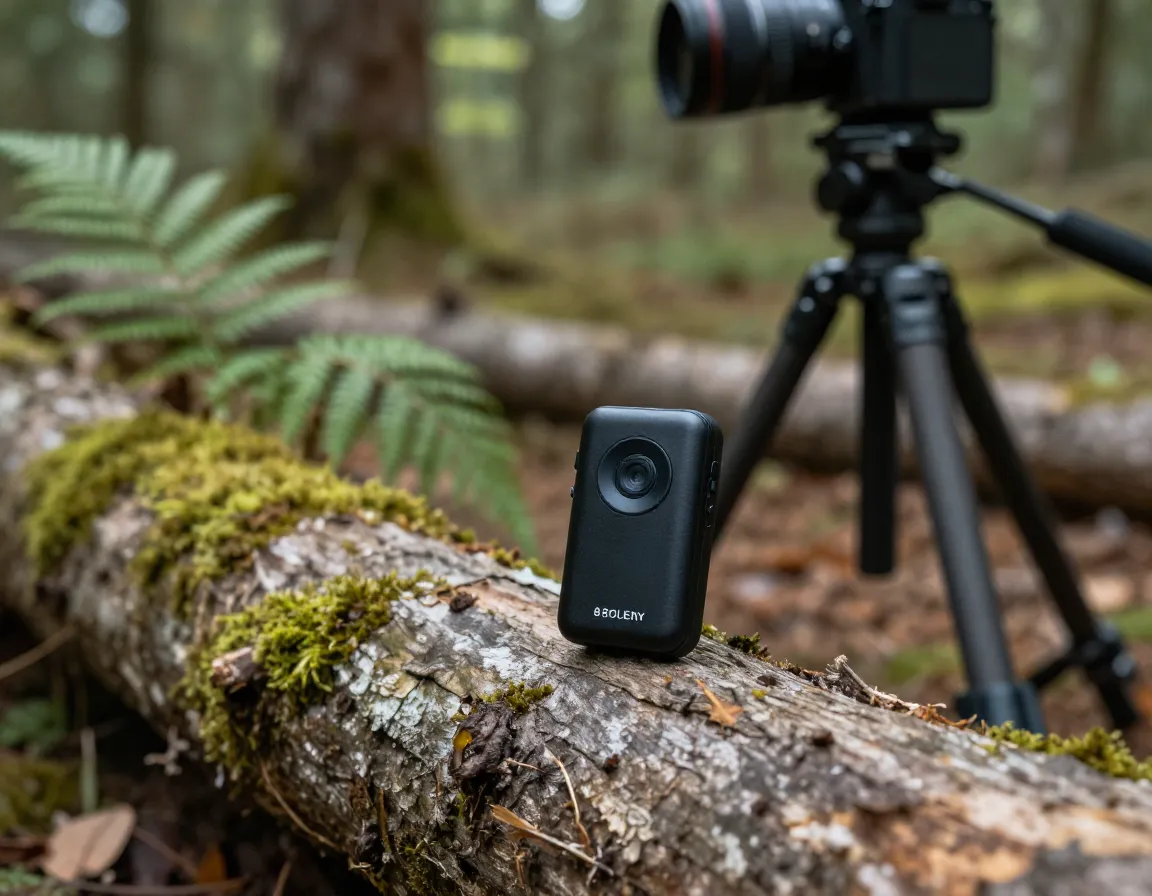
The final item in our list of 8 Essential Gear Items for Taking Cool Nature Photos is one that many beginners overlook: the remote shutter release.
Even pressing the camera’s shutter button can introduce micro-vibrations that blur a shot — especially at long focal lengths. A remote release lets you trigger the shutter without touching the camera.
Options to consider:
- Wired remote — Simple, reliable, no batteries needed
- Wireless/Bluetooth remote — More flexibility and range; great for camera traps
- Intervalometer remote — Adds time-lapse capability for capturing sunrise sequences or animal activity over time
For wildlife photography, a wireless remote also lets you set up a camera near a nest or burrow and trigger it from a distance without disturbing the animals [4].
Conclusion
Building the right kit doesn’t have to happen all at once. If you’re just starting out, prioritize your camera body, a telephoto lens, and a sturdy tripod — these three items will have the biggest impact on your results. From there, add filters, a bean bag, and a remote release as your budget allows.
Actionable next steps for 2026:
- ✅ Audit your current gear against this list and identify your biggest gaps
- ✅ Research the camera bodies and lenses that fit your budget and shooting style
- ✅ Invest in at least one optical filter set before your next outing
- ✅ Practice setting up and breaking down your tripod quickly — speed matters in the field
- ✅ Join a local nature photography group to learn from experienced shooters
The best nature photos come from a combination of the right gear, patience, and practice. Now you know exactly what to pack. 🌿📸
References
[1] Best Cameras For Wildlife Photography – https://www.livescience.com/best-cameras-for-wildlife-photography
[2] The Best Gear For Wildlife Photography Backpacking Trips – https://www.deirdredenaliphotography.com/blog/the-best-gear-for-wildlife-photography-backpacking-trips
[3] Wildlife Photography Gear – https://expertphotography.com/wildlife-photography-gear
[4] Wildlife Photography Trip Equipment – https://photographylife.com/wildlife-photography-trip-equipment