8 Critical Women’s Hiking Socks for Blister Prevention & Comfort
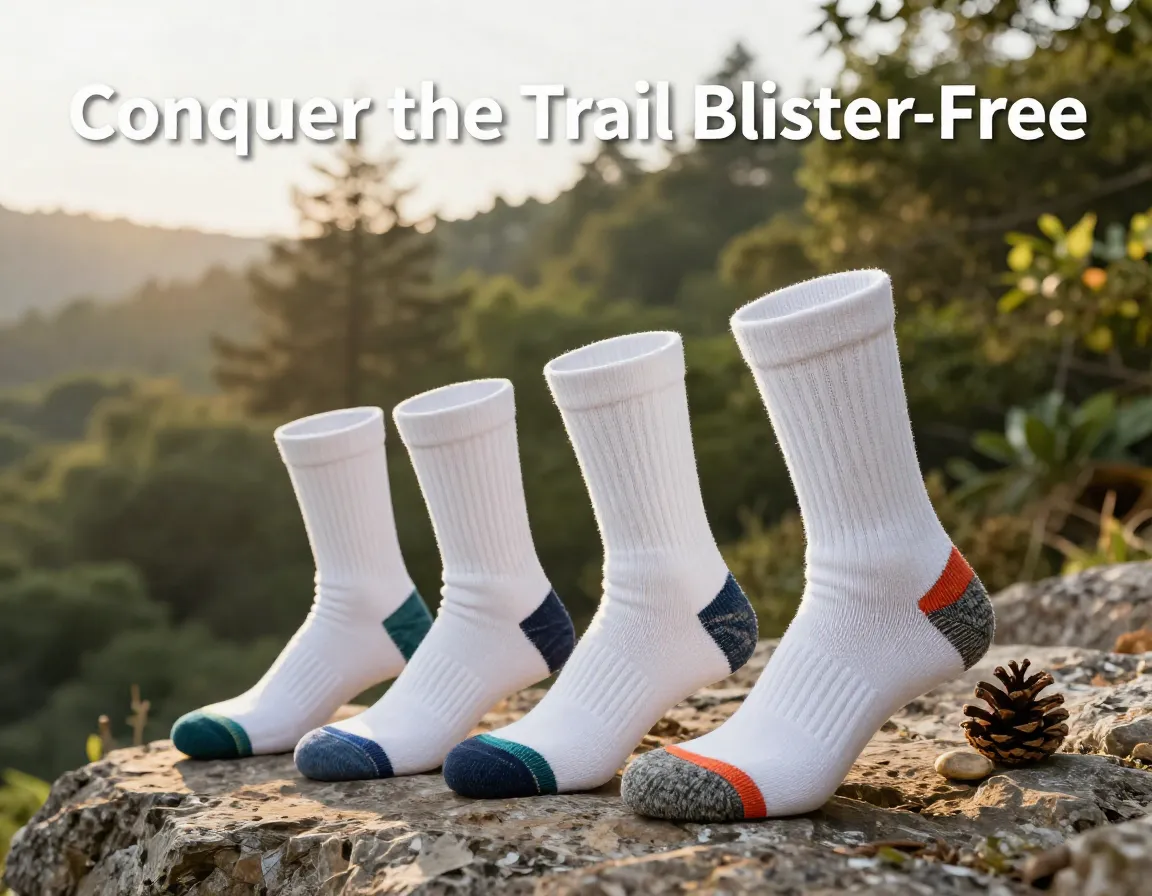
Blisters have ended more hikes than bad weather ever has. If you’ve ever limped back to the trailhead with raw, burning heels, you already know that your socks matter just as much as your boots. In 2026, the market is packed with options — but not all hiking socks are built the same. This guide breaks down the 8 Critical Women’s Hiking Socks for Blister Prevention & Comfort so you can make a smart, trail-tested choice before your next adventure.
Key Takeaways
- 🧦 Seamless toe construction is one of the most effective ways to stop blisters before they start [1]
- 🏔️ Crew-length socks are the most recommended height for hiking — they stay up and block trail debris [1]
- 💧 Moisture-wicking and fast-drying fabrics reduce heat buildup, a leading cause of friction blisters [1]
- 🐑 Merino wool blends perform exceptionally well in wet conditions, keeping feet comfortable even after water crossings [2]
- 🔁 Double-layer and toe sock designs offer advanced blister protection for long-distance or technical terrain [2][3]
Why Your Sock Choice Can Make or Break a Hike
Most hikers invest heavily in boots but overlook the sock layer entirely. That’s a costly mistake. The right sock acts as a friction buffer, a moisture manager, and a cushioning system all at once. Poor sock choices lead to hotspots, blisters, and foot fatigue — sometimes within the first mile.
Here’s what separates a great hiking sock from a mediocre one:
| Feature | Why It Matters |
|---|---|
| Seamless toe box | Eliminates friction on sensitive skin [1] |
| Arch compression | Prevents bunching and slipping [1] |
| Cushioned heel/toe zones | Reduces impact and hotspot formation [1] |
| Moisture-wicking fabric | Keeps skin dry and blister-resistant [1] |
| Crew or mid-calf height | Blocks debris, stays in place [1] |
| Merino wool or synthetic blend | Regulates temperature in varied conditions [2] |
💬 “The sock is the first line of defense between your foot and your boot. Get it wrong, and no amount of boot quality will save you.”
The 8 Critical Women’s Hiking Socks for Blister Prevention & Comfort
1. Seamless Toe Construction Socks
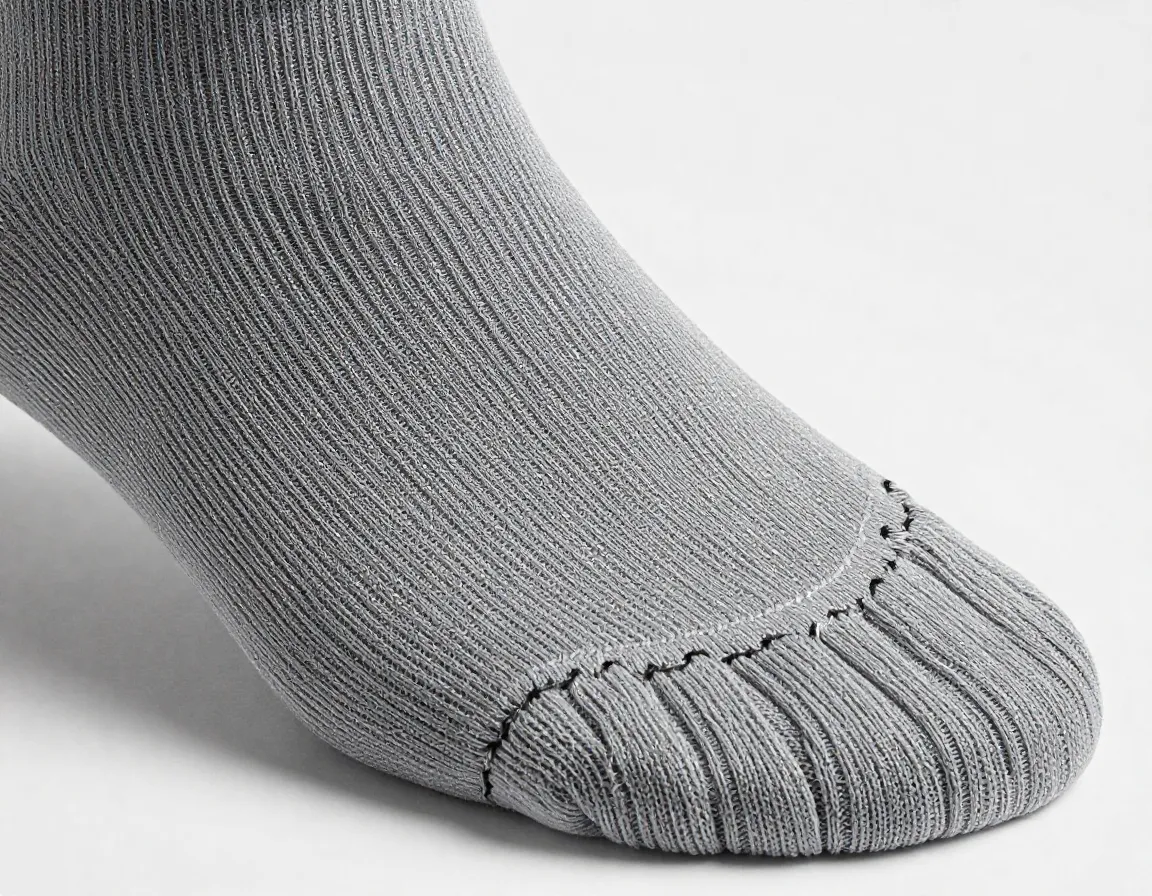
Best for: Hikers prone to toe blisters and sensitive skin
Seamless toe construction removes the stitched ridge that runs across the top of most standard socks. That ridge is a major friction point — especially on downhill sections where toes press forward into the boot. Look for socks that use a hand-linked toe seam or are fully seamless. This single feature can eliminate one of the most common blister locations entirely [1].
What to look for:
- Zero-seam or flat-knit toe closure
- Snug fit without compression points
- Compatible with narrow or wide toe boxes
2. Crew-Length Hiking Socks
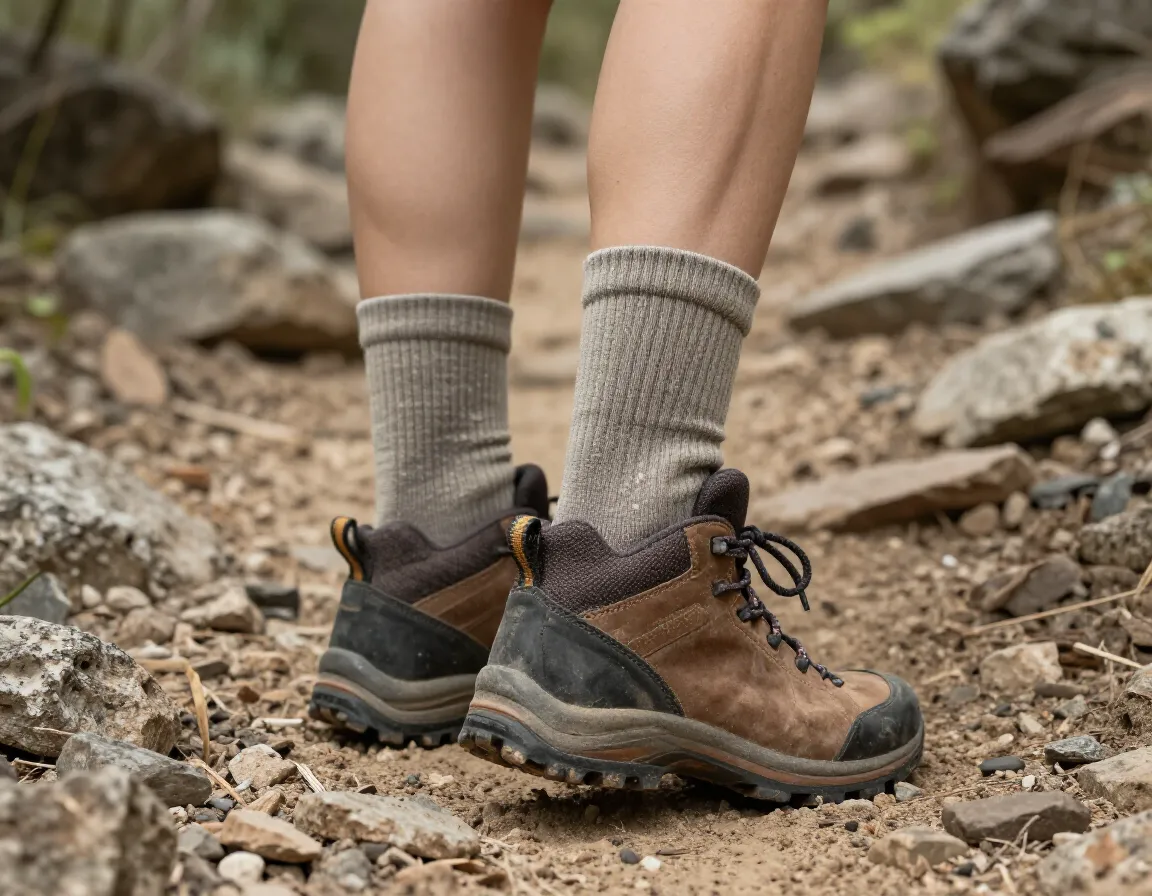
Best for: All-around trail use, especially in brushy or rocky terrain
Crew socks sit at mid-calf and are widely considered the gold standard for hiking [1]. They stay up throughout the day without constant readjusting, and they create a protective barrier that keeps pebbles, dirt, and debris out of your boots. Ankle socks might feel lighter, but they tend to slip and bunch — a fast track to blisters.
Pro tip: Choose crew socks with a reinforced cuff band that grips without cutting into the calf.
3. Double-Layer Blister-Prevention Socks
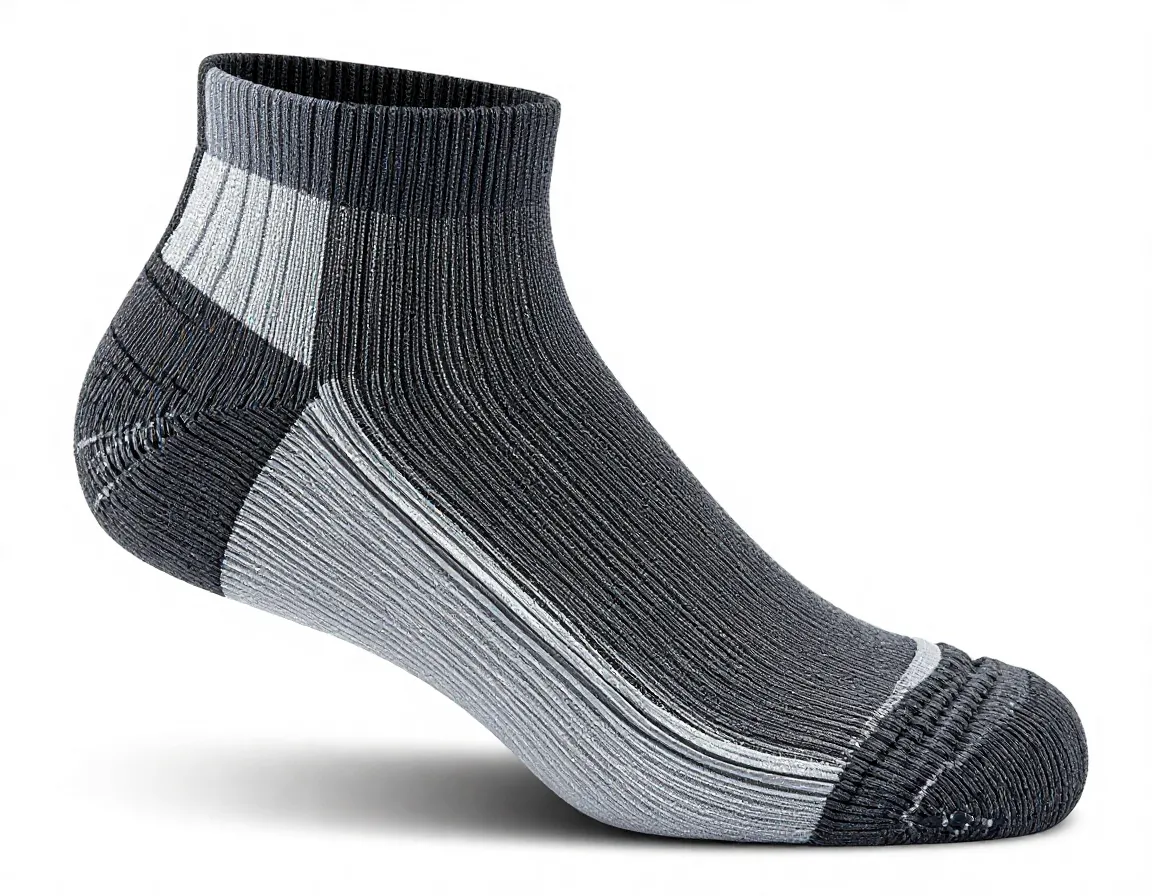
Best for: Long-distance hikers, thru-hikers, and blister-prone feet
Double-layer socks are an engineering solution to friction. Instead of one sock rubbing against your foot and boot, the two layers glide against each other — keeping friction away from your skin entirely [2]. The Wrightsock Silver Escape is a well-known example, featuring a silver-infused inner layer that also controls odor on multi-day trips.
Key benefits:
- Dramatically reduced friction at blister hotspots
- Odor control through antimicrobial materials
- Excellent for high-mileage days
4. Merino Wool Blend Hiking Socks
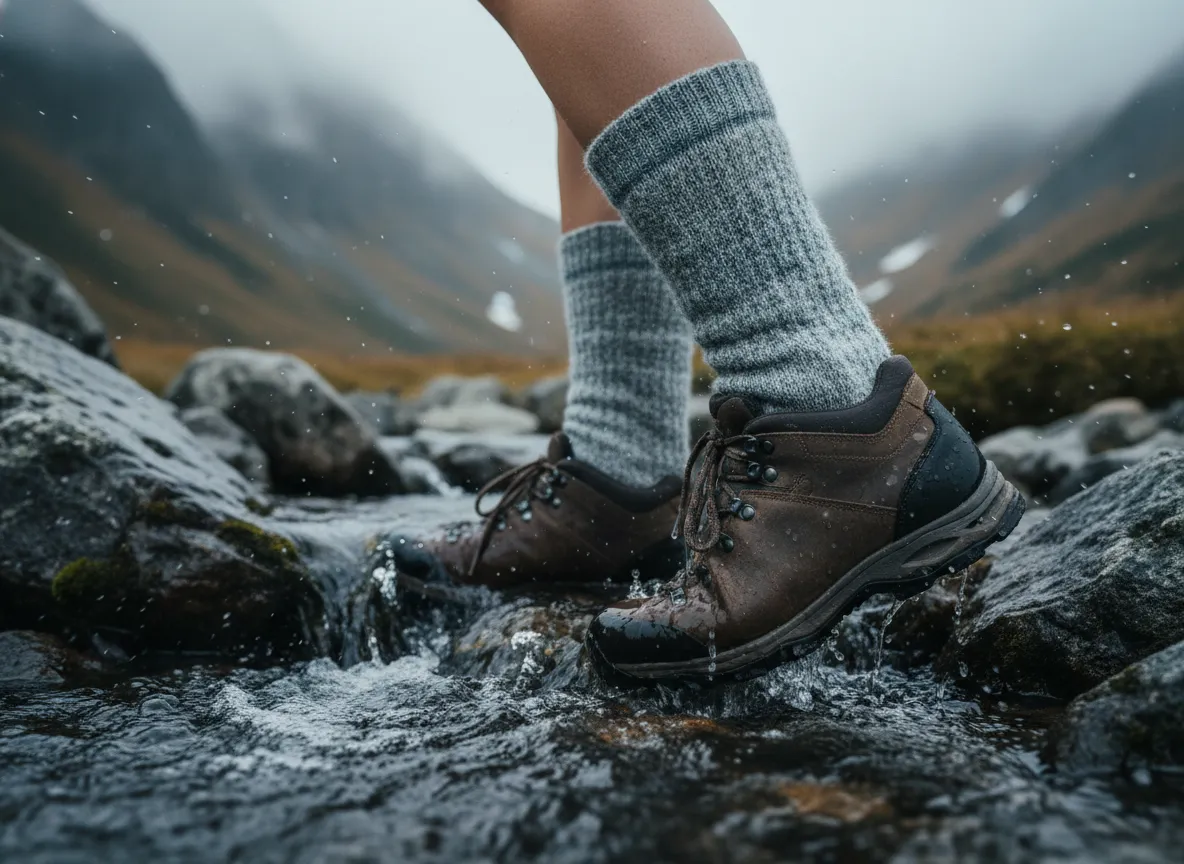
Best for: Wet weather, cold conditions, and multi-day hikes
Merino wool is a trail staple for good reason. It maintains insulation even when wet, making it the top choice for stream crossings, rain, and early-morning dew [2]. Unlike cotton (which stays wet and causes blisters fast), merino wicks moisture away and dries relatively quickly. It also naturally resists odor, so you can wear the same pair longer on backcountry trips.
Merino vs. Synthetic at a glance:
| Factor | Merino Wool | Synthetic |
|---|---|---|
| Wet performance | Excellent | Good |
| Odor resistance | Excellent | Moderate |
| Drying speed | Moderate | Fast |
| Durability | Moderate | High |
| Price | Higher | Lower |
5. Toe Socks with Individual Compartments
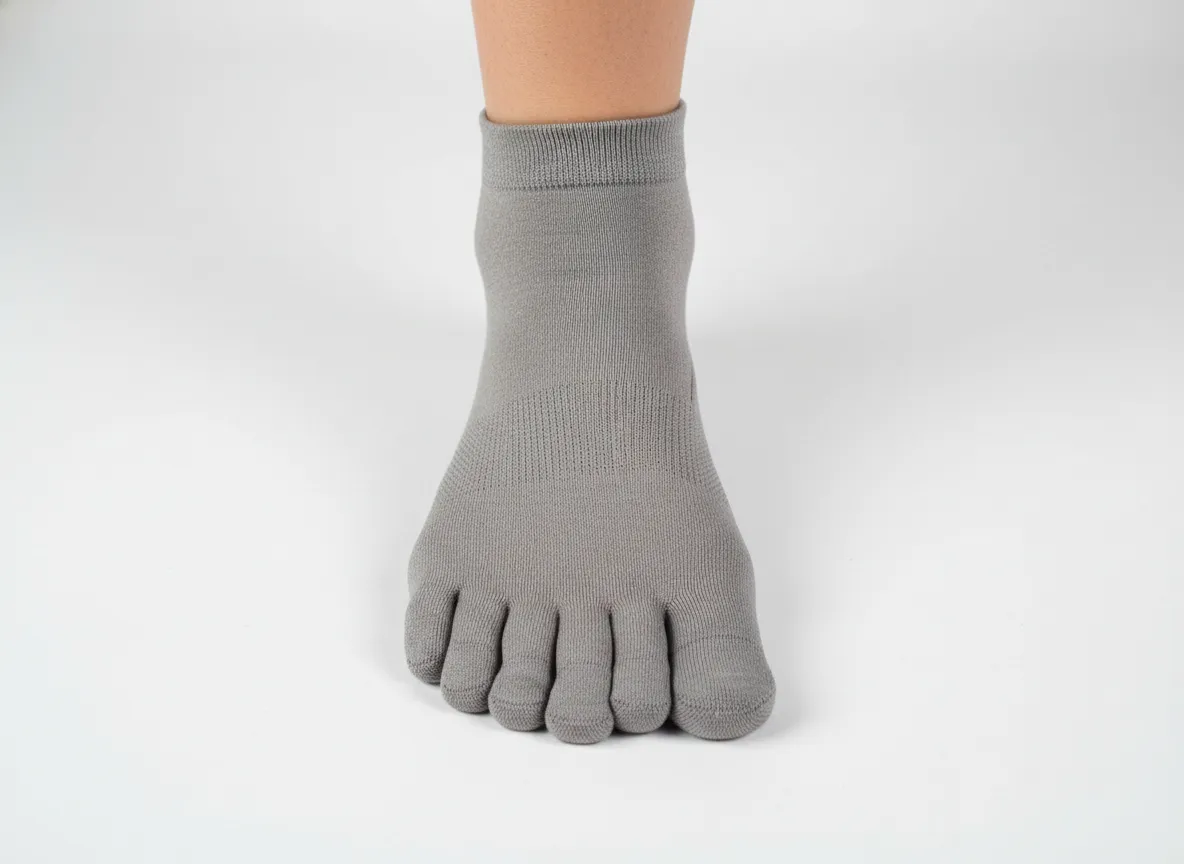
Best for: Hikers with between-toe blisters or wide toe splay
Toe socks like the Injinji Outdoor Mini-Crew wrap each toe individually, eliminating skin-on-skin friction between toes [3]. This design also improves natural toe splay, which can enhance balance and reduce fatigue on uneven terrain. They’re particularly effective for hikers who’ve struggled with blisters in the webbing between toes — an area that standard socks simply can’t address.
Things to know:
- Takes a few wears to get used to the feel
- Pairs well with wide toe box boots
- Available in lightweight and cushioned versions
6. Moisture-Wicking Fast-Drying Socks
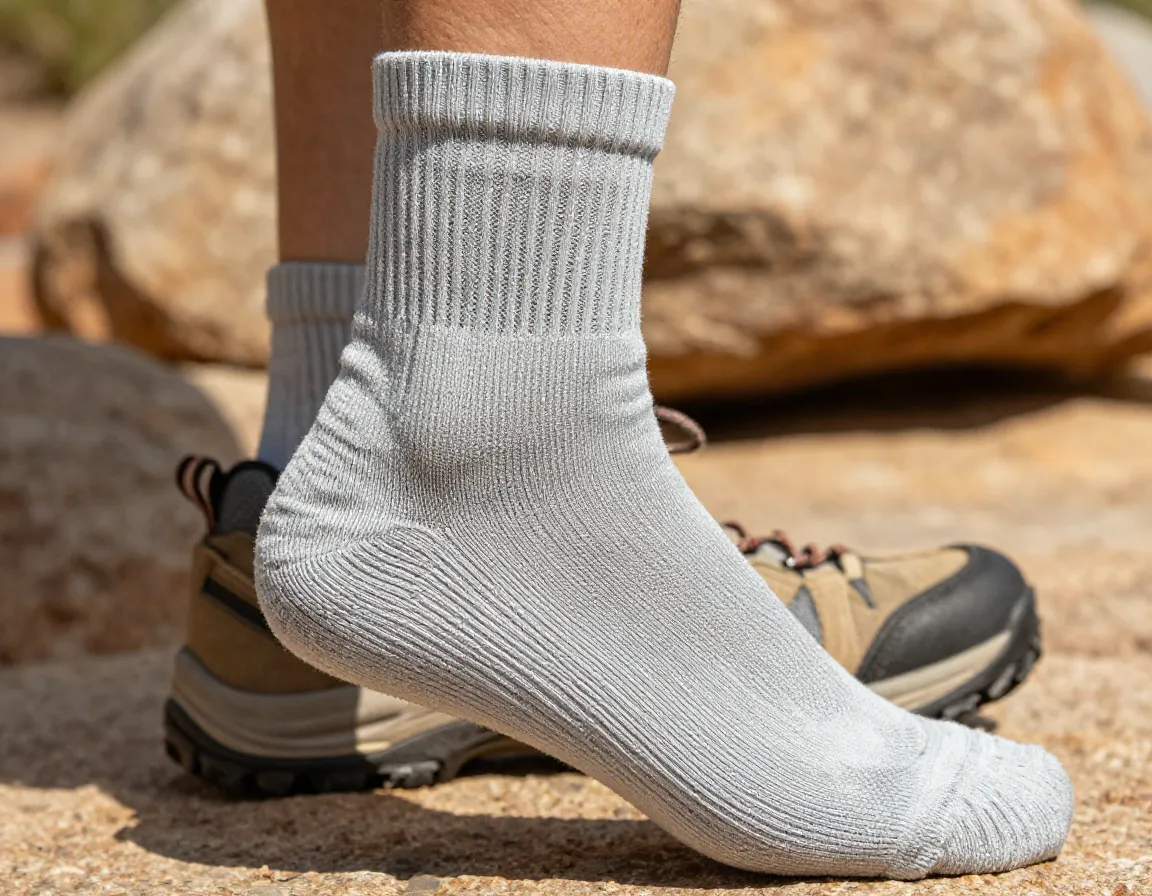
Best for: Hot-weather hiking, humid climates, and high-output activities
Heat plus moisture equals blisters. Moisture-wicking socks pull sweat away from the skin and allow it to evaporate quickly, keeping your feet cooler and drier [1]. Some brands use proprietary technologies — like IsoCool — to actively regulate foot temperature during intense activity. Synthetic blends (nylon, polyester, CoolMax) tend to dry faster than natural fibers, making them ideal for summer trails.
Look for:
- Ventilation zones on the top of the foot
- Lightweight construction for breathability
- Quick-dry certification or fabric tech labels
7. Cushioned Arch-Support Hiking Socks
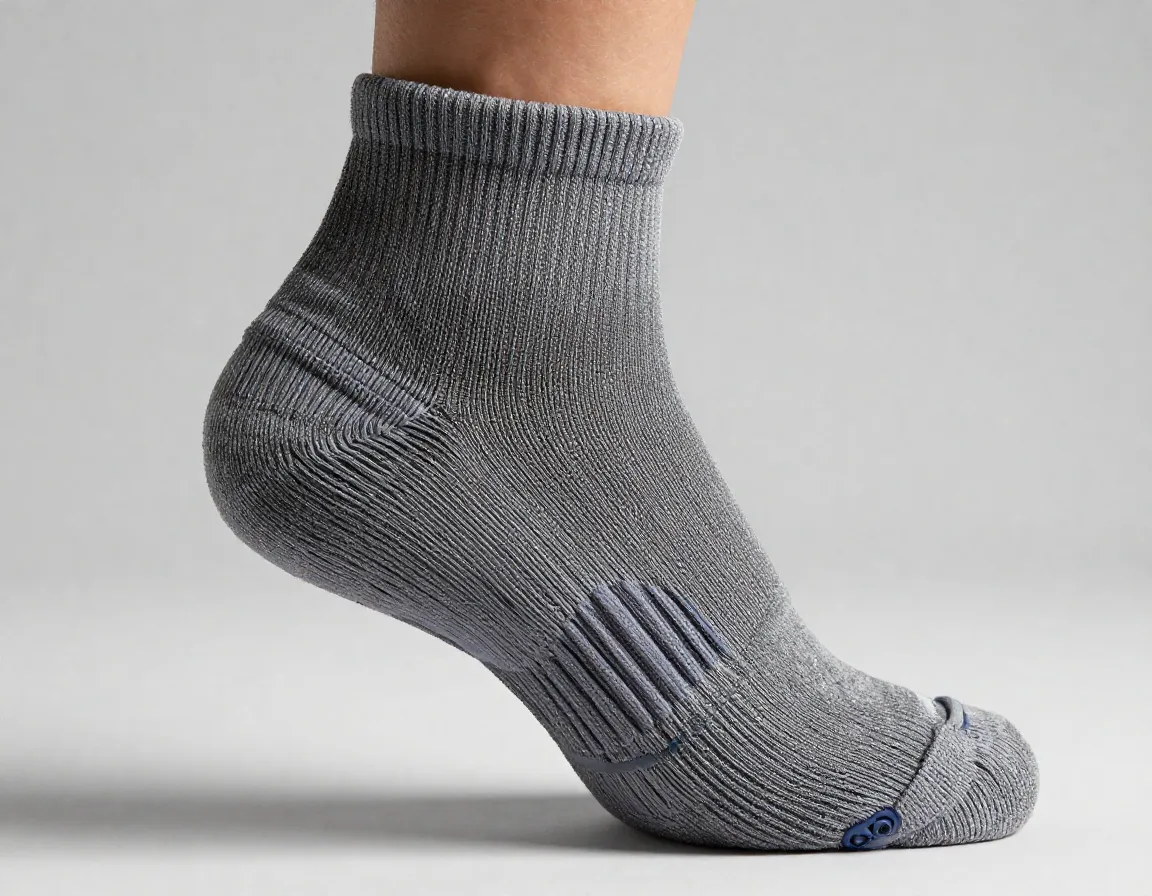
Best for: Hikers with flat feet, plantar fasciitis, or long trail days
Arch compression in a hiking sock does two important things: it prevents the sock from slipping and bunching inside the boot, and it provides mild structural support to reduce foot fatigue [1]. Cushioned zones at the heel and toe absorb impact and reduce hotspot formation over many miles. This combination — arch support plus targeted cushioning — is especially valuable on rocky, uneven terrain.
Cushioning levels to consider:
- Ultralight: Minimal padding, great for warm weather
- Light/Medium: Best all-around choice for most hikers
- Heavy: Maximum comfort for cold weather or heavy packs
8. Antimicrobial Odor-Control Hiking Socks
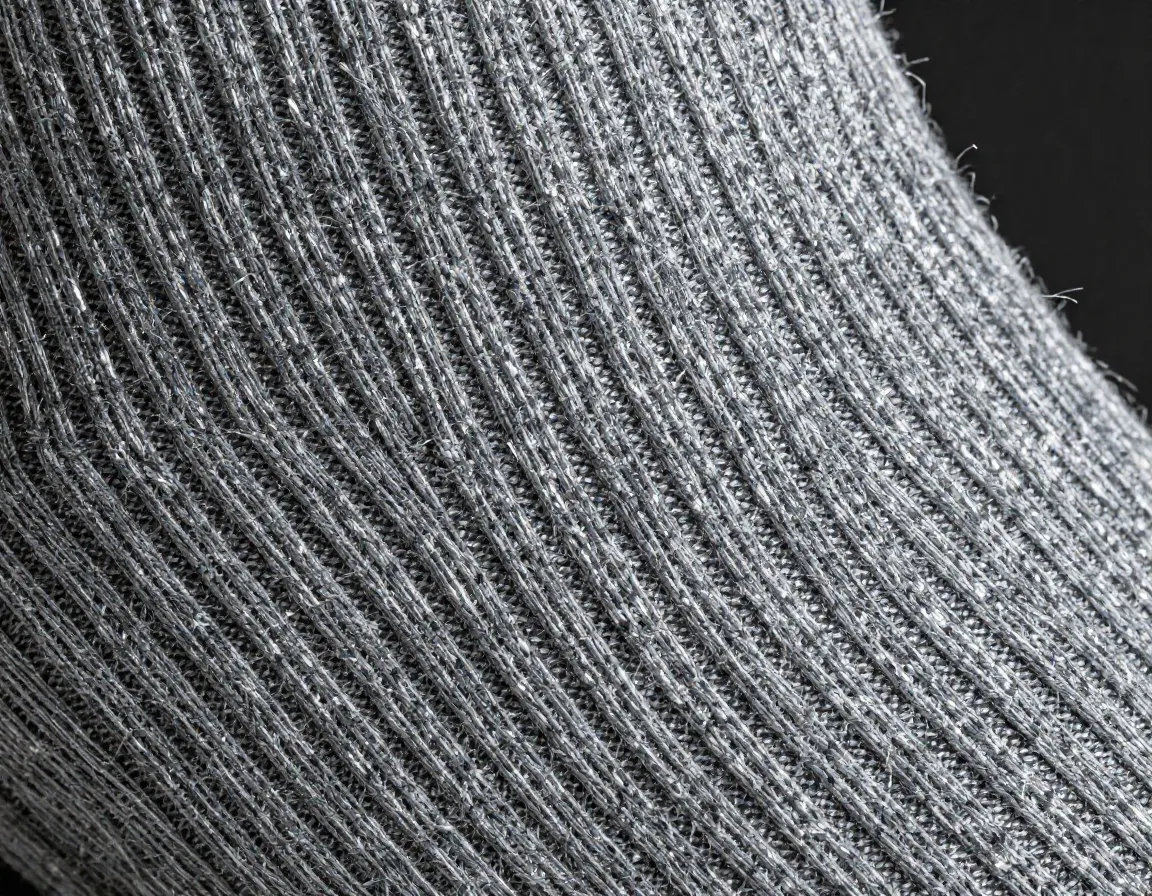
Best for: Multi-day trips, backpacking, and sensitive noses 😄
On extended hikes, odor control becomes a real quality-of-life issue. Socks with silver-infused fibers, merino wool, or copper-infused yarns naturally inhibit bacterial growth — the main source of foot odor [2]. Beyond comfort, keeping bacteria in check also supports overall foot health, reducing the risk of skin irritation that can make blisters worse.
Top antimicrobial materials:
- Silver-infused synthetic fibers
- Natural merino wool
- Copper-yarn blends
- Bamboo-charcoal fabric
How to Choose the Right Sock for Your Hike
Not every sock works for every trail. Here’s a quick decision guide:
Choose by terrain and conditions:
- 🌲 Day hikes on well-groomed trails → Lightweight crew sock with moisture-wicking fabric
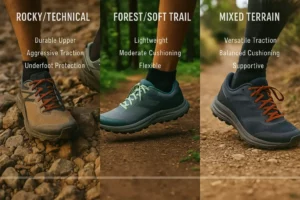
- 🏔️ Technical or rocky terrain → Medium-cushion sock with arch support and seamless toe
- 🌧️ Wet or cold conditions → Merino wool blend, crew length
- 🦶 Blister-prone feet → Double-layer or toe sock design
- 🎒 Multi-day backpacking → Antimicrobial merino or silver-infused synthetic
Fit checklist before you buy:
- No bunching at the toe or heel
- Heel cup sits snugly on your heel
- Arch band feels supportive but not tight
- Crew cuff stays up without digging in
- Toe box matches your foot shape (narrow vs. wide)
Conclusion
Choosing the right pair from the 8 Critical Women’s Hiking Socks for Blister Prevention & Comfort isn’t just about preference — it’s about protecting your feet so you can actually enjoy the trail. In 2026, the technology in hiking socks has never been better, from double-layer friction systems to merino wool that performs in a downpour.
Your action steps:
- Identify your blister pattern — toes, heels, or arches — and match a sock feature to that problem
- Choose crew length as your default for most hikes [1]
- Invest in merino wool or a quality synthetic blend for moisture management [2]
- Try toe socks or double-layer designs if standard socks haven’t worked for you [2][3]
- Always test new socks on a short hike before committing them to a big trip
Your boots get all the credit, but your socks do the real work. Choose wisely, and your feet will thank you for every mile.
References
[1] Best Hiking Socks – https://www.womenshealthmag.com/uk/gym-wear/g44828139/best-hiking-socks/
[2] Best Hiking Socks – https://www.cleverhiker.com/apparel/best-hiking-socks/
[3] Best Hiking Socks – https://www.outdoorlife.com/gear/best-hiking-socks/