7 Pro Tips to Capture the Ultimate Mountain Trekking Aesthetic
The crisp mountain air fills your lungs as you reach a breathtaking viewpoint, camera in hand, ready to capture the moment that will define your entire trekking adventure. Yet when you review the photos later, they somehow fail to convey the raw beauty and emotional impact you experienced firsthand. This frustrating disconnect between reality and captured imagery is something every mountain photographer faces, but it doesn’t have to be permanent.
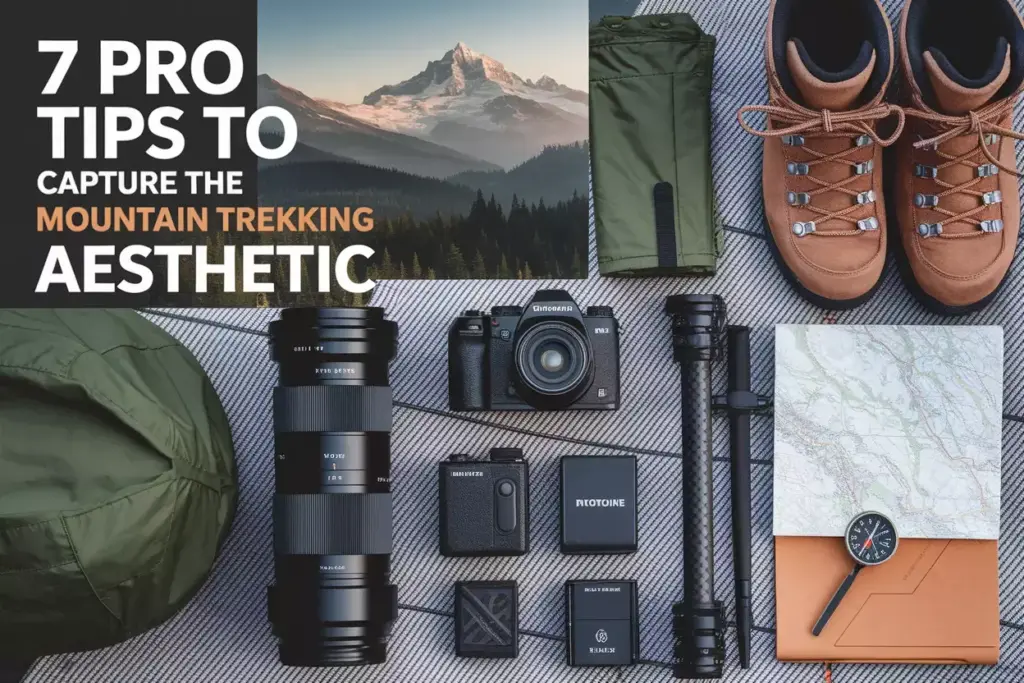
Mountain trekking photography represents one of the most challenging yet rewarding forms of outdoor photography. The combination of dramatic landscapes, ever-changing weather conditions, and physical demands creates unique opportunities to capture truly spectacular images. Whether you’re documenting your personal adventure or building a portfolio of mountain photography, mastering these 7 Pro Tips to Capture the Ultimate Mountain Trekking Aesthetic will transform your approach to outdoor photography and help you create images that truly reflect the majesty of mountain environments.
Key Takeaways
- Golden hour timing is crucial for capturing warm, dramatic lighting that enhances mountain textures and creates compelling silhouettes
- Proper gear preparation including weatherproof equipment and backup power sources ensures you never miss the perfect shot
- Composition techniques like layering, leading lines, and scale references transform ordinary mountain photos into extraordinary visual stories
- Weather awareness and safety protocols are essential for both capturing unique atmospheric conditions and protecting equipment
- Post-processing skills can enhance natural mountain colors and dramatic lighting while maintaining authentic outdoor aesthetics
1. Master the Art of Mountain Lighting and Timing
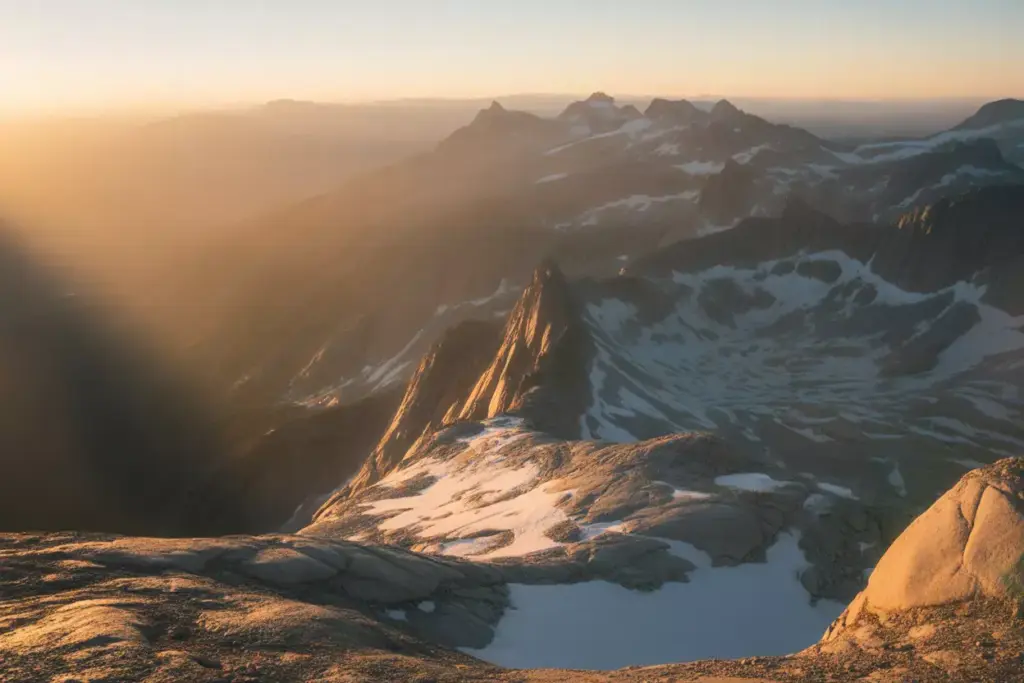
Understanding mountain lighting patterns forms the foundation of exceptional trekking photography. Mountains create their own unique lighting conditions throughout the day, and recognizing these patterns is essential for implementing the 7 Pro Tips to Capture the Ultimate Mountain Trekking Aesthetic effectively.
Golden hour magic occurs during the first hour after sunrise and the last hour before sunset, when the sun sits low on the horizon. In mountain environments, this creates several distinct advantages:
- Enhanced texture definition on rock faces and snow fields
- Warm color temperature that complements natural mountain tones
- Dramatic shadow play that adds depth and dimension
- Atmospheric haze reduction for clearer distant peak visibility
Planning Your Shooting Schedule
Mountain photography requires strategic timing that goes beyond simple sunrise and sunset calculations. Altitude affects lighting duration, with higher elevations experiencing longer golden hour periods due to thinner atmosphere and extended horizon views.
“The best mountain photographers don’t just chase light – they understand how mountains shape and modify natural lighting patterns throughout the day.”
Consider these timing strategies:
Early Morning Benefits:
- Calmer weather conditions
- Fewer crowds on popular trails
- Fresh snow or frost for added texture
- Clear atmospheric conditions
Late Afternoon Advantages:
- Warmer air temperatures for comfortable shooting
- Developed cloud formations for dramatic skies
- Side-lighting on eastern-facing slopes
- Extended shooting time as you descend
Working with Challenging Mountain Light
Mountain environments present unique lighting challenges that require adaptive techniques. Extreme contrast between bright snow and dark rock requires careful exposure management. Rapidly changing conditions demand quick camera adjustments and flexible shooting approaches.
High-altitude considerations include:
- Increased UV exposure affecting color balance
- Thinner atmosphere creating more intense direct sunlight
- Reflective surfaces from snow and water causing exposure complications
- Weather volatility requiring constant lighting assessment
2. Essential Gear and Equipment for Mountain Photography Success
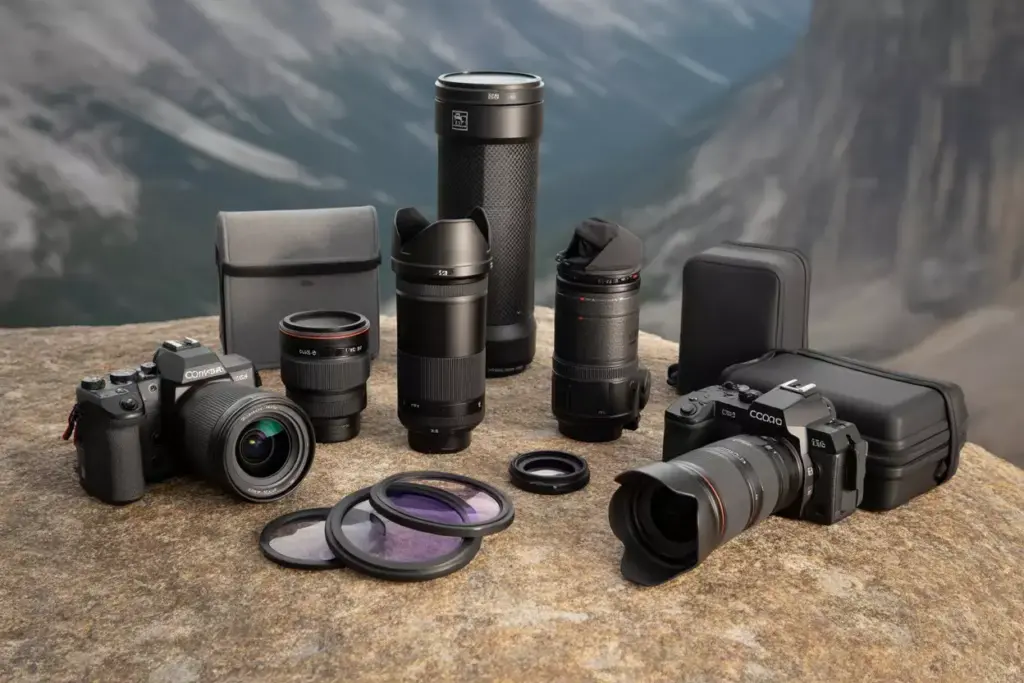
Selecting appropriate photography equipment represents a critical component of the 7 Pro Tips to Capture the Ultimate Mountain Trekking Aesthetic. Mountain environments demand gear that balances performance, durability, and weight while withstanding extreme weather conditions.
Camera and Lens Selection
Weather sealing should be your primary consideration when choosing camera equipment for mountain trekking. Temperature fluctuations, moisture, and dust exposure require robust protection systems.
Recommended camera features:
- Moisture and dust resistance (IPX4 rating minimum)
- Extended battery life for cold weather performance
- High dynamic range capability for extreme lighting conditions
- Reliable autofocus in low-light mountain environments
Lens Strategy for Mountain Photography
Versatile focal length coverage allows you to capture both sweeping vistas and intimate details without carrying excessive weight. Consider this lens hierarchy:
| Lens Type | Focal Length | Primary Use | Weight Priority |
|---|---|---|---|
| Wide-angle | 14-24mm | Landscape vistas | High |
| Standard zoom | 24-70mm | General purpose | Medium |
| Telephoto | 70-200mm | Distant peaks | Low |
Prime lens alternatives offer superior image quality and lighter weight for minimalist approaches. A 35mm prime provides excellent versatility for mountain photography while significantly reducing pack weight.
Protection and Support Equipment
Tripod selection requires careful balance between stability and portability. Carbon fiber construction offers the best weight-to-strength ratio, while compact travel tripods provide adequate stability for most mountain photography situations.
Essential protective gear:
- Lens filters for glare reduction and protection
- Rain covers for camera and lens protection
- Lens cloths for moisture and dust removal
- Protective cases for transportation safety
Power Management in Remote Locations
Battery performance degrades significantly in cold mountain conditions. Lithium-ion batteries can lose 50% capacity at freezing temperatures, making power management crucial for extended trekking photography.
Power management strategies:
- Carry spare batteries (minimum 3x normal capacity)
- Keep batteries warm in inside jacket pockets
- Use external power banks for emergency charging
- Monitor power consumption through camera settings optimization
3. Composition Techniques That Transform Mountain Landscapes
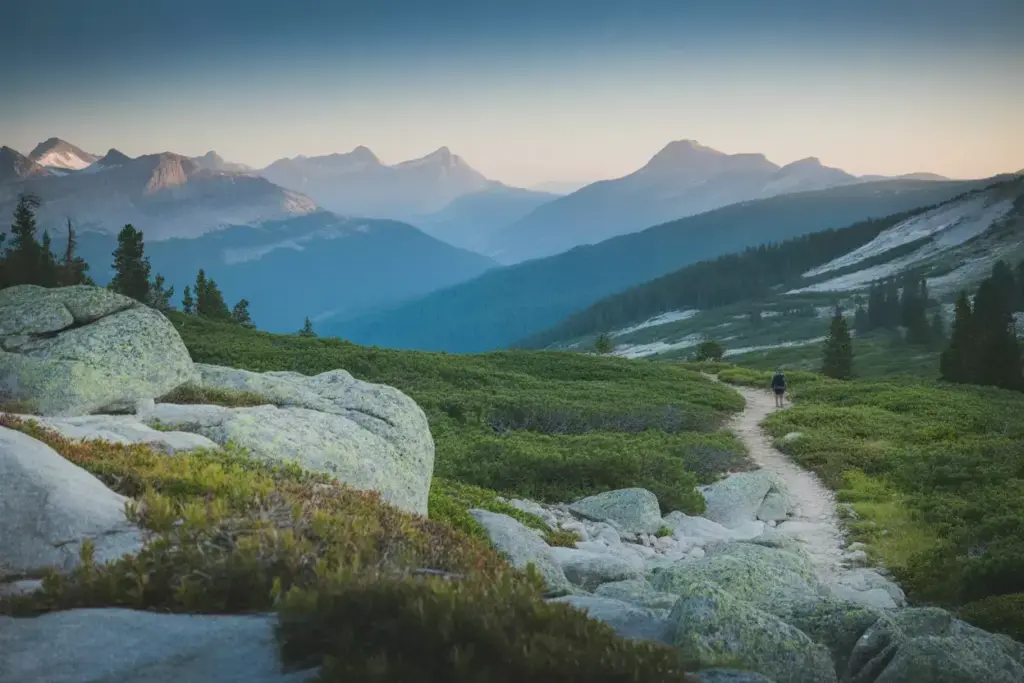
Effective composition elevates mountain photography from simple documentation to compelling visual storytelling. These techniques form essential elements of the 7 Pro Tips to Capture the Ultimate Mountain Trekking Aesthetic and help create images with lasting impact.
Creating Depth Through Layering
Mountain layering utilizes the natural stratification of mountain ranges to create visual depth and dimension. This technique involves positioning foreground, middle ground, and background elements to guide the viewer’s eye through the composition.
Effective layering strategies:
- Foreground interest using rocks, vegetation, or water features
- Middle ground definition through prominent ridges or valleys
- Background drama featuring distant peaks or sky elements
- Atmospheric perspective showing natural haze between layers
Leading Lines and Natural Pathways
Mountain environments naturally provide strong compositional elements that can guide viewer attention toward key focal points. Ridgelines, valleys, streams, and trails all serve as powerful leading lines when positioned thoughtfully within the frame.
Types of mountain leading lines:
- Diagonal ridges creating dynamic energy
- Winding trails suggesting journey and exploration
- Stream beds providing natural S-curves
- Rock formations offering geometric structure
Scale and Human Elements
Including human subjects in mountain photography serves multiple compositional purposes. Scale reference helps viewers understand the massive scope of mountain environments, while human elements add emotional connection and narrative interest.
“The most powerful mountain photographs often include subtle human elements that help viewers imagine themselves within the landscape.”
Effective scale techniques:
- Silhouette positioning against dramatic backgrounds
- Color contrast between clothing and natural tones
- Action moments showing interaction with the environment
- Strategic placement using rule of thirds positioning
Advanced Composition Concepts
Negative space utilization becomes particularly powerful in mountain photography, where vast sky areas and open valleys can create dramatic compositional balance. Minimalist approaches often prove more effective than cluttered compositions in mountain environments.
Weather integration adds compositional complexity through cloud formations, mist patterns, and atmospheric effects. These elements provide natural framing opportunities and enhance the overall aesthetic impact of mountain imagery.
4. Weather Awareness and Safety Considerations
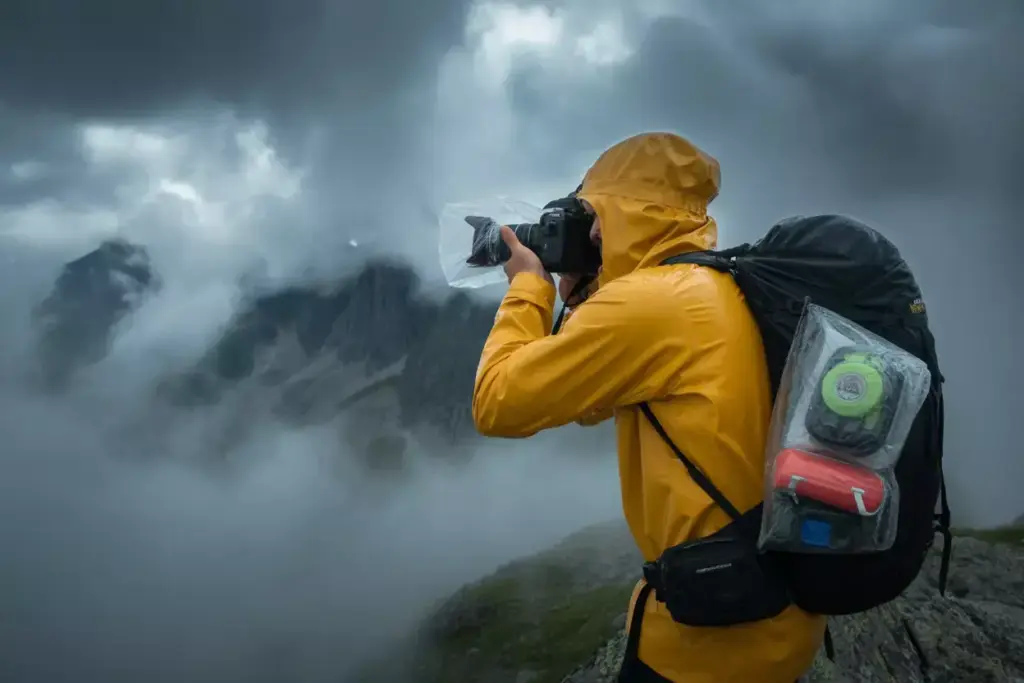
Mountain weather patterns directly impact both photographic opportunities and personal safety, making weather awareness an integral part of the 7 Pro Tips to Capture the Ultimate Mountain Trekking Aesthetic. Understanding these patterns enables better planning and safer shooting experiences.
Reading Mountain Weather Patterns
Mountain meteorology differs significantly from lowland weather systems. Orographic lifting creates localized weather patterns that can change rapidly and dramatically affect visibility, lighting, and safety conditions.
Key weather indicators:
- Cloud formation patterns suggesting incoming weather changes
- Wind direction shifts indicating pressure system movements
- Temperature gradients affecting precipitation type and intensity
- Visibility changes impacting both safety and photography opportunities
Photographing in Challenging Conditions
Adverse weather conditions often create the most dramatic and memorable mountain photographs. Storm systems, fog, and snow provide unique atmospheric effects that enhance the visual impact of mountain imagery.
Storm photography techniques:
- Lightning safety protocols requiring immediate shelter seeking
- Rain protection strategies for equipment and personal safety
- Wind management for camera stability and lens protection
- Visibility assessment for navigation and composition planning
Equipment Protection Strategies
Moisture management becomes critical in mountain environments where temperature fluctuations create condensation risks for sensitive camera equipment. Rapid altitude changes can cause significant moisture problems if not properly managed.
Protection protocols:
- Gradual temperature acclimatization for equipment
- Sealed storage systems during weather transitions
- Desiccant packets for moisture absorption
- Equipment inspection routines for damage assessment
Emergency Preparedness
Communication devices ensure safety during extended mountain photography sessions. GPS units, satellite communicators, and emergency beacons provide essential safety backup when pursuing remote photographic opportunities.
Essential safety equipment:
- Navigation tools with backup systems
- Emergency shelter for weather protection
- First aid supplies for injury management
- Emergency food and water for extended delays
5. Post-Processing Techniques for Mountain Photography
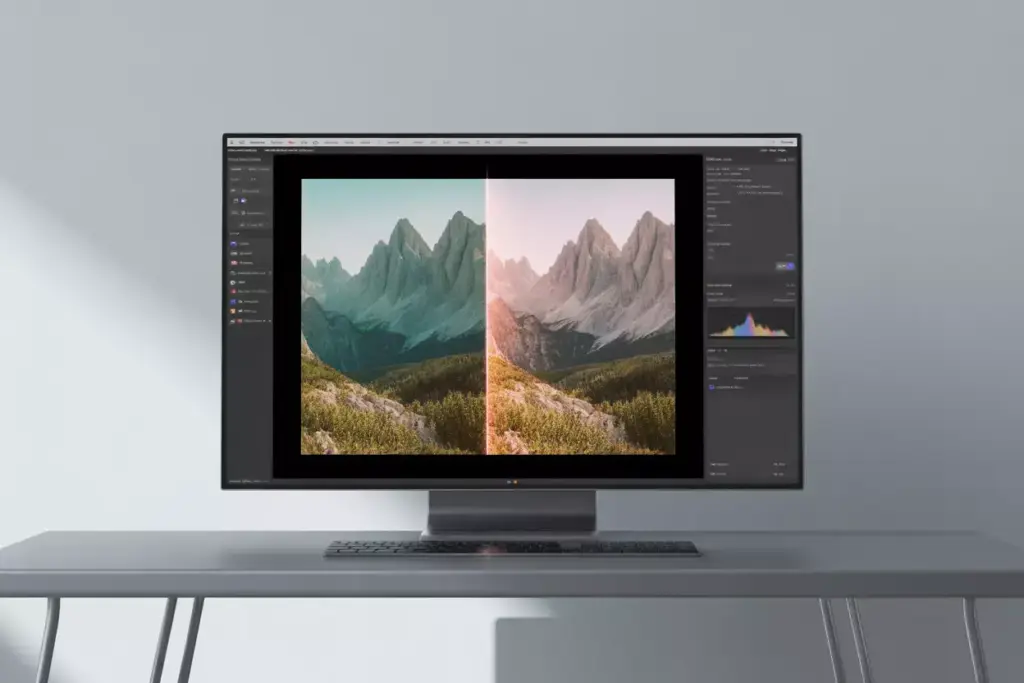
Digital processing plays a crucial role in realizing the full potential of mountain photography, serving as the final component in the 7 Pro Tips to Capture the Ultimate Mountain Trekking Aesthetic. Proper post-processing enhances natural mountain beauty while maintaining authentic outdoor aesthetics.
Color Enhancement and Natural Tones
Mountain environments display subtle color variations that often require careful enhancement to match the visual impact experienced during capture. Natural color grading should enhance rather than artificially alter the inherent beauty of mountain landscapes.
Color processing priorities:
- Sky enhancement without oversaturation
- Rock texture emphasis through careful contrast adjustment
- Snow detail preservation maintaining natural white balance
- Vegetation accuracy keeping natural green tones
Dynamic Range Optimization
High dynamic range processing addresses the extreme contrast common in mountain photography. Graduated filters and luminosity masking provide precise control over different brightness zones within mountain compositions.
HDR processing guidelines:
- Subtle tone mapping avoiding artificial appearance
- Shadow detail recovery without noise introduction
- Highlight protection maintaining texture in bright areas
- Natural transition zones between different exposures
Sharpening and Detail Enhancement
Mountain photography benefits from careful detail enhancement that emphasizes natural textures without creating artificial effects. Capture sharpening, creative sharpening, and output sharpening each serve specific purposes in the mountain photography workflow.
Sharpening strategy:
- Capture sharpening for RAW file optimization
- Creative sharpening for selective detail enhancement
- Output sharpening for specific display or print requirements
Workflow Efficiency for Mountain Photography
Batch processing techniques become essential when managing large numbers of mountain photography images from extended trekking expeditions. Consistent processing approaches ensure cohesive aesthetic results across entire photo series.
Efficient workflow elements:
- Preset development for consistent starting points
- Keyword organization for easy image retrieval
- Rating systems for quality assessment
- Export templates for various output requirements
6. Building Your Mountain Photography Portfolio
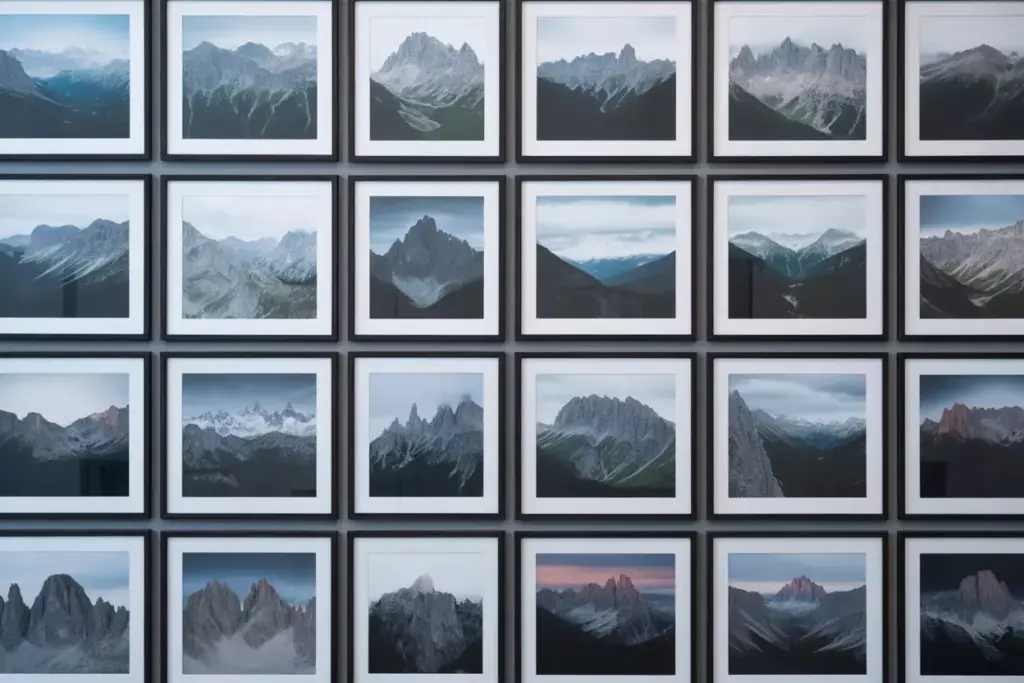
Portfolio development represents the culmination of applying the 7 Pro Tips to Capture the Ultimate Mountain Trekking Aesthetic in creating a cohesive body of work that demonstrates both technical skill and artistic vision.
Developing a Consistent Aesthetic
Visual consistency across your mountain photography portfolio creates professional credibility and recognizable style. Color palettes, composition approaches, and processing techniques should demonstrate intentional artistic choices rather than random variations.
Style development considerations:
- Color temperature preferences creating mood consistency
- Composition patterns showing deliberate artistic vision
- Subject matter focus demonstrating specialized expertise
- Technical execution maintaining professional standards
Storytelling Through Mountain Photography
Narrative elements transform individual mountain photographs into compelling visual stories. Sequential imagery, environmental context, and human elements help viewers connect emotionally with mountain experiences.
Story development techniques:
- Journey documentation showing progression through landscapes
- Seasonal variations demonstrating environmental changes
- Weather narratives capturing atmospheric drama
- Cultural elements including local mountain communities
Technical Excellence Standards
Professional mountain photography requires consistent technical excellence across all portfolio images. Sharp focus, proper exposure, and clean composition represent minimum standards for portfolio inclusion.
Quality control checklist:
- Focus accuracy throughout the composition
- Exposure optimization for maximum detail retention
- Composition strength supporting the artistic vision
- Processing quality enhancing without overdoing
Portfolio Presentation and Organization
Digital portfolio platforms offer various options for presenting mountain photography work. Website galleries, social media presence, and print portfolios each serve different purposes in building professional recognition.
Presentation strategies:
- Curated selection showing only the strongest work
- Logical organization guiding viewer experience
- Technical information providing context for serious viewers
- Contact accessibility enabling professional opportunities
Conclusion
Mastering mountain trekking photography requires dedication, preparation, and continuous learning. These 7 Pro Tips to Capture the Ultimate Mountain Trekking Aesthetic provide a comprehensive foundation for creating compelling mountain imagery that captures both the technical excellence and emotional impact of mountain environments.
Success in mountain photography comes from combining technical proficiency with artistic vision while maintaining safety awareness and environmental respect. Lighting mastery, equipment preparation, composition skills, weather awareness, processing techniques, and portfolio development work together to create a complete approach to mountain photography excellence.
Next steps for improving mountain photography:
- Practice lighting assessment during local outdoor photography sessions
- Test equipment performance in challenging weather conditions before major trips
- Study successful mountain photographers to understand advanced composition techniques
- Develop post-processing skills through online tutorials and practice sessions
- Plan photography-focused trekking expeditions to apply these techniques in real mountain environments
The journey toward mastering mountain photography extends far beyond technical skills, encompassing personal growth, environmental appreciation, and artistic development. Each mountain expedition offers new opportunities to apply these principles while discovering unique perspectives on some of Earth’s most spectacular landscapes.
Remember that exceptional mountain photography results from patience, persistence, and respect for mountain environments. Safety should always take priority over any photographic opportunity, and environmental stewardship ensures these magnificent landscapes remain available for future generations of mountain photographers to explore and document.