7 Mountain Trip Outfit Ideas to Nail Form and Function
Picture this: you’re standing at the trailhead, watching fellow hikers struggle with inappropriate gear while you confidently stride forward in perfectly planned attire that keeps you comfortable from sunrise to sunset. The difference between a memorable mountain adventure and a miserable experience often comes down to one crucial factor—what you wear. These 7 Mountain Trip Outfit Ideas to Nail Form and Function will transform your outdoor adventures from uncomfortable ordeals into enjoyable journeys where style meets performance.
Key Takeaways
- Layering is essential for mountain environments where temperatures can fluctuate dramatically throughout the day
- Moisture-wicking fabrics are crucial for maintaining comfort and preventing hypothermia in changing conditions
- Proper footwear selection can make or break your mountain experience, requiring consideration of terrain and weather
- Versatile pieces that serve multiple functions help minimize pack weight while maximizing outfit options
- Weather-appropriate accessories like hats, gloves, and gaiters often determine the success of your mountain adventure
Understanding Mountain Environment Challenges
Mountain environments present unique challenges that demand thoughtful outfit planning. Temperature variations can swing 30-40 degrees between morning and afternoon, while elevation changes create unpredictable weather patterns. Wind exposure increases dramatically on ridgelines and peaks, making wind-resistant materials essential for comfort and safety.
Altitude effects also impact clothing choices. As elevation increases, UV radiation intensifies significantly—requiring enhanced sun protection even on cloudy days. The combination of thinner air and increased physical exertion means moisture management becomes critical for maintaining body temperature regulation.
Mountain terrain varies from smooth trails to rocky scrambles, demanding clothing that moves with your body while resisting tears and abrasions. Understanding these environmental factors helps inform the 7 Mountain Trip Outfit Ideas to Nail Form and Function that follow.
Essential Layering Principles for Mountain Adventures
The foundation of successful mountain dressing lies in mastering the three-layer system. This time-tested approach provides maximum versatility for changing conditions while allowing precise temperature control throughout your adventure.
Base Layer Foundation 🏔️
The base layer serves as your second skin, managing moisture and providing initial insulation. Choose merino wool or synthetic materials that wick sweat away from skin while maintaining warmth even when damp. Avoid cotton base layers entirely—they retain moisture and lose insulating properties when wet.
Insulating Mid-Layer
Mid-layers trap warm air while allowing moisture transfer from your base layer. Down jackets provide exceptional warmth-to-weight ratios in dry conditions, while synthetic insulation performs better in wet environments. Fleece offers excellent breathability and quick-drying properties for active pursuits.
Protective Outer Shell
Your outer layer shields against wind, rain, and snow while allowing internal moisture to escape. Look for jackets with waterproof-breathable membranes like Gore-Tex or similar technologies. Ventilation zippers enable quick temperature adjustments without removing layers.
“The key to mountain comfort isn’t having the most expensive gear—it’s understanding how different layers work together to create a personal climate control system.” – Mountain Guide Association
7 Mountain Trip Outfit Ideas to Nail Form and Function: Complete Combinations
1. The Alpine Day Hiker
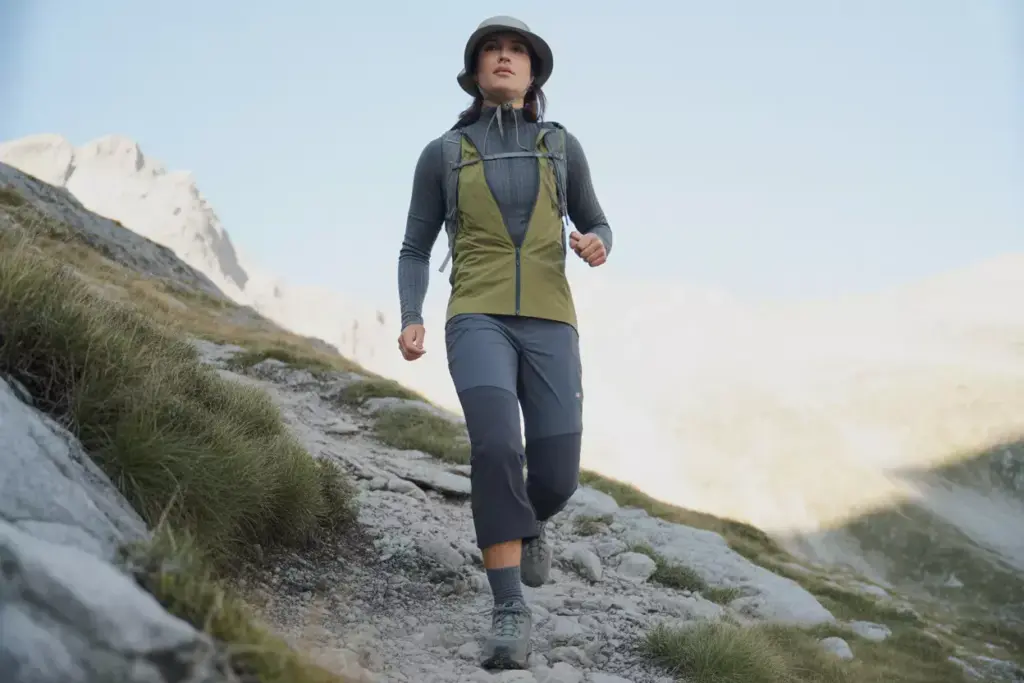
This versatile combination handles moderate mountain trails with changing weather conditions. Start with a lightweight merino wool base layer that regulates temperature naturally. Add a soft-shell jacket that blocks wind while maintaining breathability during active hiking.
Key Components:
- Merino wool long-sleeve base layer
- Soft-shell jacket with ventilation zippers
- Hiking pants with articulated knees
- Mid-weight hiking socks
- Lightweight hiking boots
- Sun hat with chin strap
The alpine day hiker outfit excels in shoulder seasons when weather remains relatively stable but temperatures fluctuate throughout the day. Soft-shell jackets provide weather protection without the bulk of hard shells, making them ideal for active pursuits.
2. The Technical Mountaineer
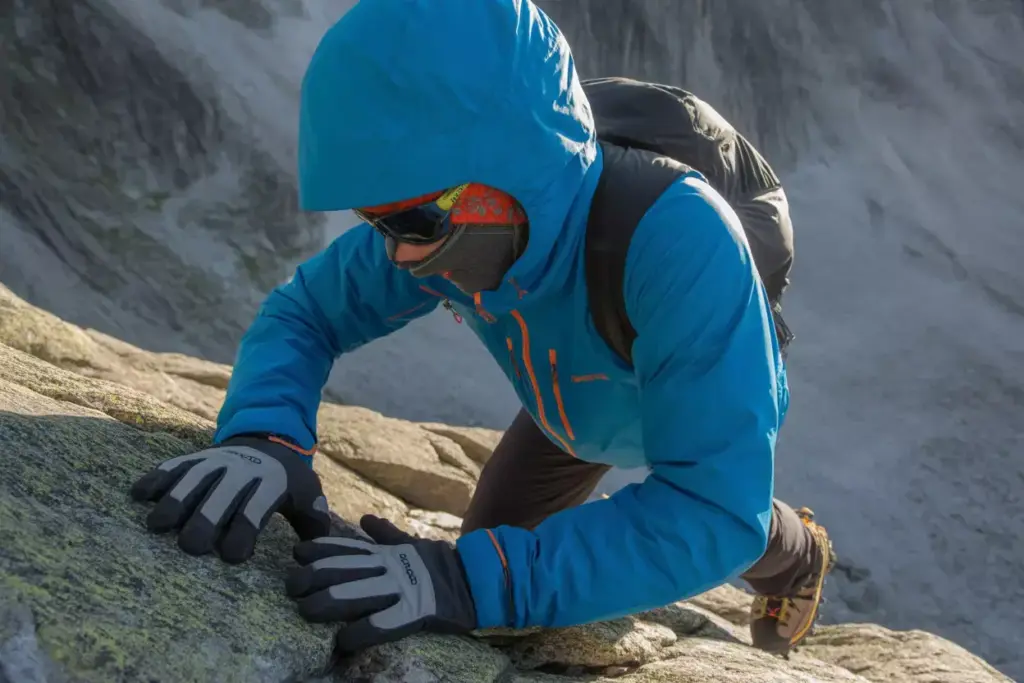
Designed for serious alpine objectives, this outfit prioritizes performance and durability over casual comfort. Hard-shell layers provide maximum weather protection, while technical fabrics handle extreme temperature swings and challenging terrain.
Essential Elements:
- Synthetic base layer top and bottom
- Insulated mid-layer vest
- Hard-shell jacket and pants
- Mountaineering boots
- Technical gloves and liner gloves
- Insulated beanie
Technical mountaineering demands gear that performs flawlessly in life-threatening conditions. Every piece serves multiple functions while maintaining reliability in extreme environments. This outfit handles everything from predawn starts to afternoon thunderstorms.
3. The Casual Trail Explorer
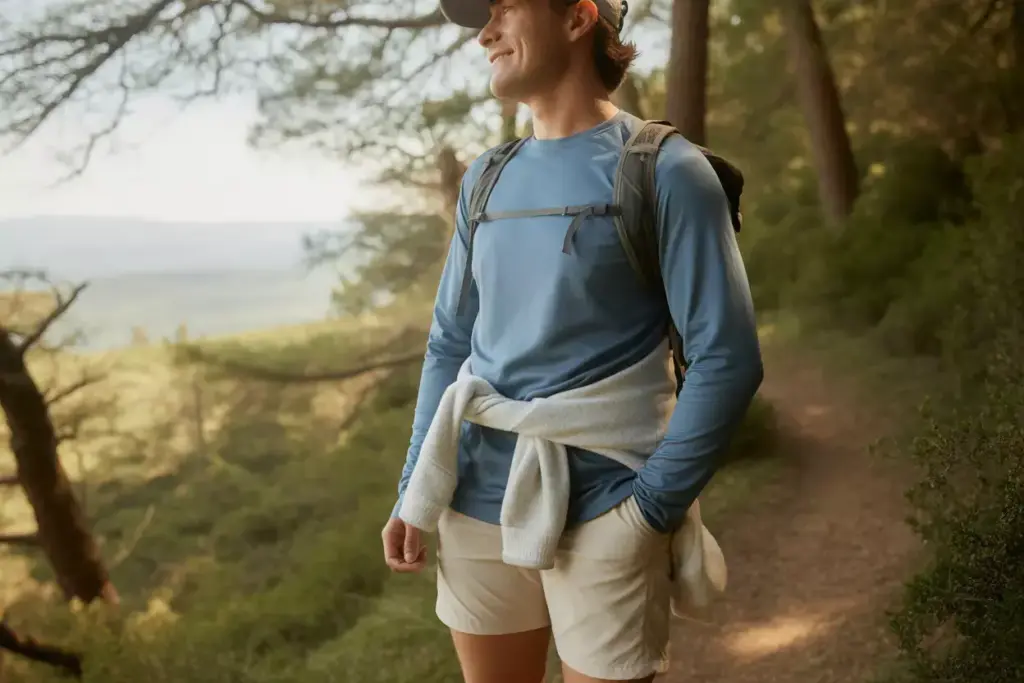
Perfect for beginners or relaxed mountain outings, this combination emphasizes comfort and ease of use. Forgiving fabrics and straightforward layering make this approach ideal for day hikes and scenic mountain drives.
Comfortable Choices:
- Cotton-blend long-sleeve shirt
- Lightweight fleece pullover
- Hiking shorts or convertible pants
- Trail running shoes or light hikers
- Baseball cap or visor
- Casual daypack
While not suitable for extreme conditions, the casual explorer outfit handles mild mountain weather beautifully. Focus on comfort and movement rather than technical performance for enjoyable low-key adventures.
4. The Winter Mountain Warrior
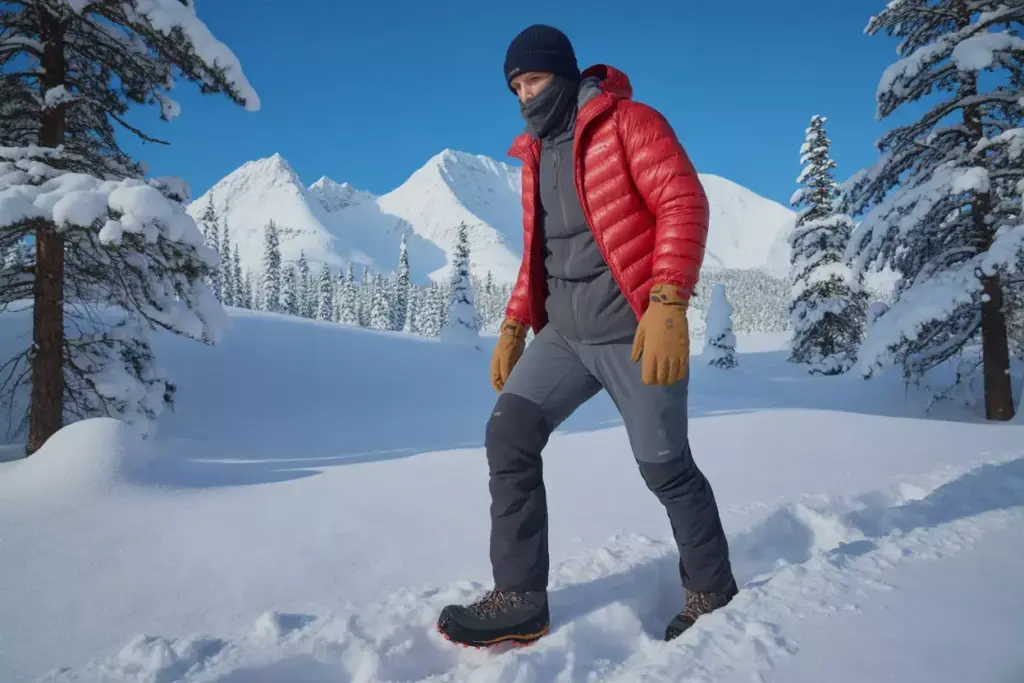
Cold-weather mountain adventures require specialized gear that maintains warmth while managing moisture from intense physical activity. This outfit handles snow, wind, and freezing temperatures without compromising mobility.
Winter Essentials:
- Thermal base layer system
- Down or synthetic insulation jacket
- Waterproof hard-shell outer layer
- Insulated winter hiking pants
- Winter mountaineering boots
- Insulated gloves and warm hat
- Neck gaiter or balaclava
Winter mountain conditions demand respect and proper preparation. This outfit combination provides multiple backup options for warmth while maintaining the flexibility needed for winter hiking and snowshoeing activities.
5. The Desert Peak Challenger
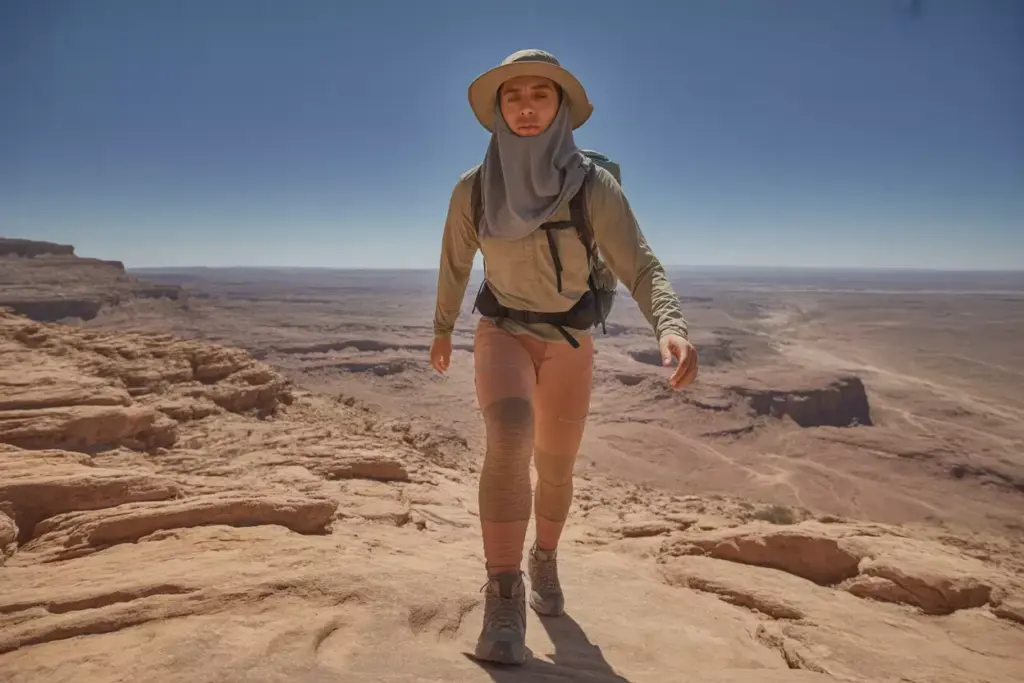
High-altitude desert mountains present unique challenges with intense sun exposure, dramatic temperature swings, and minimal shade. This outfit balances sun protection with cooling ventilation for desert peak adventures.
Desert Adaptations:
- UV-protective long-sleeve shirt
- Lightweight hiking pants
- Sun hat with neck protection
- Hiking boots with breathable mesh
- Cooling towel
- Lightweight wind layer for elevation
Desert mountain environments require different strategies than traditional alpine settings. Focus on sun protection and heat management while preparing for surprisingly cold conditions at higher elevations.
6. The Rainy Season Trekker
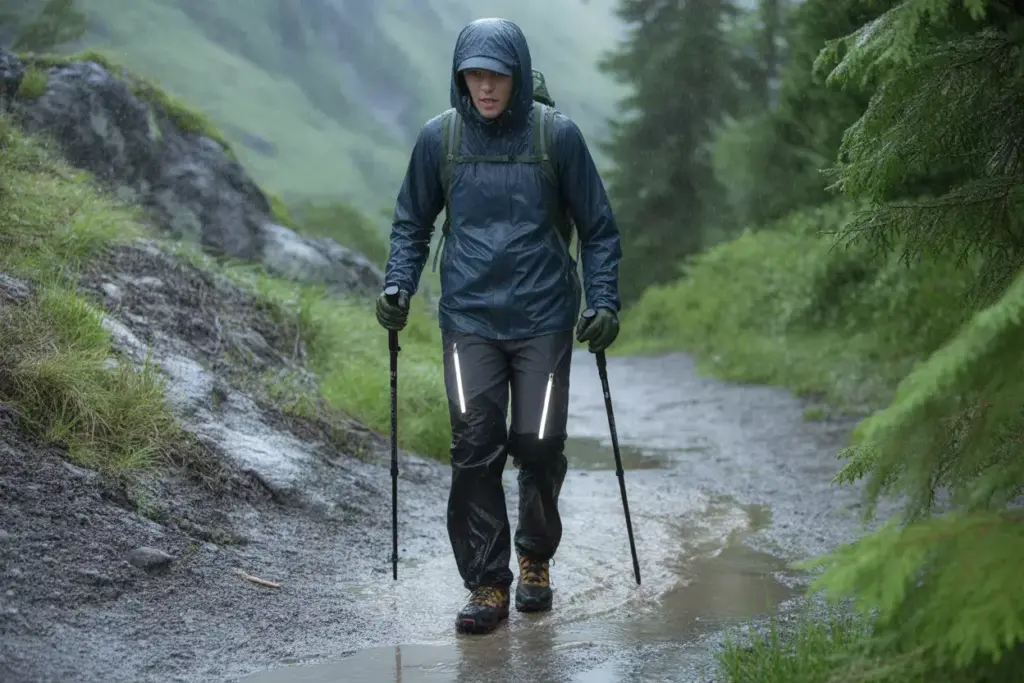
Wet mountain conditions demand waterproof protection without sacrificing breathability. This outfit keeps adventurers dry and comfortable during extended periods of rain or snow.
Waterproof Warriors:
- Quick-dry base layers
- Waterproof-breathable jacket
- Rain pants with full-length zippers
- Waterproof hiking boots
- Waterproof gloves
- Rain hat or hood system
Rainy mountain weather tests gear limits and personal comfort zones. Proper rain gear allows continued enjoyment of mountain environments even during challenging weather windows.
7. The Multi-Day Backpacker
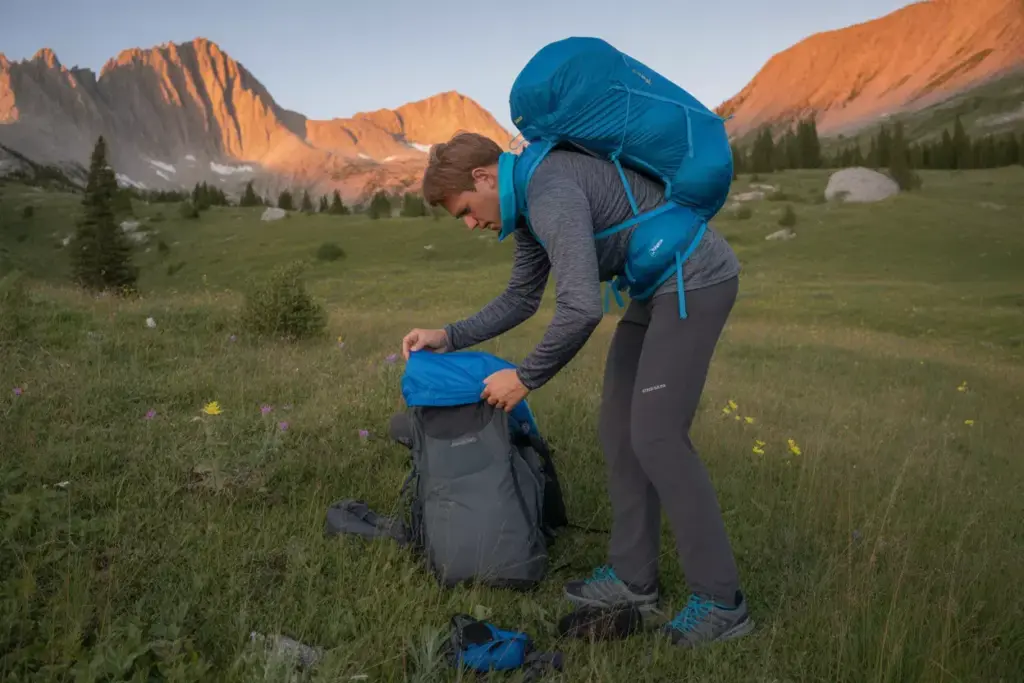
Extended mountain adventures require clothing that performs day after day while minimizing pack weight. This outfit emphasizes versatility and durability for multi-day mountain expeditions.
Backpacking Basics:
- Merino wool base layer system
- Packable down jacket
- Ultralight rain shell
- Quick-dry hiking pants and shorts
- Lightweight trail runners
- Multi-use accessories
Multi-day mountain trips demand gear that performs multiple functions while maintaining minimal weight. Every piece must justify its space in your backpack through versatility and reliability.
Seasonal Considerations for Mountain Trip Outfit Ideas
Spring Mountain Adventures (March-May)
Spring mountains present rapidly changing conditions with snow at higher elevations and mild temperatures in valleys. Layering flexibility becomes crucial as weather patterns remain unpredictable throughout the season.
Spring Outfit Priorities:
- Waterproof outer layers for sudden storms
- Insulation options for temperature swings
- Traction devices for icy trail sections
- Sun protection for increased UV exposure
Spring conditions require adaptable clothing systems that handle everything from snow squalls to sunny afternoons. Pack extra layers and weather protection for seasonal transition periods.
Summer Mountain Expeditions (June-August)
Summer mountain weather offers the most stable conditions but introduces challenges like intense UV radiation and afternoon thunderstorms. Heat management and sun protection take priority during peak season adventures.
Summer Essentials:
- Lightweight, breathable fabrics
- UPF-rated sun protection clothing
- Ventilation options for hot climbs
- Quick-dry materials for stream crossings
Even summer mountain adventures require weather contingency planning. Afternoon thunderstorms develop quickly at altitude, demanding waterproof backup options.
Fall Mountain Journeys (September-November)
Fall mountain conditions combine beautiful weather with increasing unpredictability as winter approaches. Temperature regulation becomes critical as morning frost gives way to warm afternoons.
Autumn Adaptations:
- Versatile layering systems
- Wind protection for exposed ridges
- Insulation for cold mornings
- Traction for potentially icy conditions
Fall offers some of the best mountain weather but requires careful planning as conditions change rapidly with elevation and time of day.
Winter Mountain Challenges (December-February)
Winter mountain adventures demand specialized gear and clothing systems designed for extreme conditions. Warmth retention and moisture management become critical for safety and comfort.
Winter Requirements:
- Advanced insulation systems
- Waterproof-breathable protection
- Extremity warming solutions
- Emergency backup layers
Winter mountain conditions require redundant warming systems and emergency preparedness. Never venture into winter mountains without proper gear and experience.
Footwear Selection for Different Mountain Terrains
Rocky Trail Conditions
Rocky mountain terrain demands supportive footwear with aggressive tread patterns and protective features. Ankle support and rock plate protection prevent injuries on challenging surfaces.
| Terrain Type | Recommended Footwear | Key Features |
|---|---|---|
| Rocky Trails | Mid-cut hiking boots | Ankle support, rock protection |
| Smooth Paths | Trail running shoes | Lightweight, breathable |
| Mixed Terrain | Approach shoes | Sticky rubber, precision fit |
| Technical Rock | Climbing shoes | Precise fit, aggressive rubber |
Muddy and Wet Conditions
Wet mountain trails require footwear with superior traction and water resistance. Waterproof membranes and deep tread patterns provide confidence on slippery surfaces.
Waterproof hiking boots excel in consistently wet conditions but may cause overheating during strenuous climbs. Consider breathable alternatives for variable conditions where quick drying outweighs waterproof protection.
Snow and Ice Navigation
Winter mountain conditions demand specialized footwear with insulation and traction enhancement options. Insulated boots and microspike compatibility enable safe travel on icy terrain.
Mountaineering boots provide maximum warmth and crampon compatibility for serious winter adventures. Insulated hiking boots offer sufficient protection for moderate winter hiking and snowshoeing activities.
Fabric Technologies and Material Choices
Moisture-Wicking Synthetic Materials
Modern synthetic fabrics excel at moving moisture away from skin while maintaining durability and quick-drying properties. Polyester blends and nylon constructions offer reliable performance across various mountain conditions.
Synthetic materials maintain insulating properties when wet and dry quickly after washing. These fabrics resist odor buildup better than natural alternatives while providing consistent performance in challenging conditions.
Natural Fiber Benefits
Merino wool leads natural fiber performance with superior temperature regulation and odor resistance. This remarkable material maintains warmth when wet while providing natural UV protection and comfort against skin.
Cotton fabrics work well for casual mountain adventures in stable weather but become dangerous when wet and cold. Reserve cotton clothing for low-risk situations with reliable weather forecasts.
Advanced Technical Fabrics
Waterproof-breathable membranes like Gore-Tex revolutionized mountain clothing by providing weather protection without complete moisture retention. These advanced materials enable active pursuits in challenging weather conditions.
Softshell fabrics combine weather resistance with breathability for active mountain pursuits. These versatile materials handle light precipitation while allowing maximum mobility and ventilation.
Accessory Integration for Complete Mountain Outfits
Head and Neck Protection
Mountain environments expose adventurers to intense UV radiation and rapidly changing weather conditions. Sun hats with chin straps prevent loss during windy conditions while providing essential facial protection.
Neck gaiters offer versatile protection that adapts to changing conditions throughout the day. These simple accessories provide wind protection, sun shielding, and warmth without the bulk of traditional scarves.
Hand and Foot Warmth Systems
Liner glove systems enable fine motor control while maintaining warmth in cold conditions. Layer lightweight liners under insulated gloves for maximum versatility and backup warmth options.
Sock layering techniques prevent blisters while managing moisture in challenging conditions. Thin liner socks under hiking socks reduce friction while improving moisture management.
Eye and Face Protection
Sunglasses selection requires consideration of lens technology and frame durability for mountain environments. Wraparound styles with high-quality lenses provide superior protection from reflected UV radiation.
Lip protection often gets overlooked but becomes critical at altitude where UV intensity increases dramatically. Choose broad-spectrum lip balms with high SPF ratings for adequate protection.
Packing and Organization Strategies
Layering System Storage
Organize clothing layers for quick access during changing mountain conditions. Compression sacks minimize pack space while keeping similar items together for efficient outfit changes.
Packing cubes separate clean and dirty clothing while maintaining organization throughout multi-day adventures. Color-coded systems enable quick identification of needed items without extensive searching.
Weather Contingency Planning
Pack backup clothing options for unexpected weather changes common in mountain environments. Emergency layers provide critical safety margins when conditions deteriorate beyond forecasts.
Redundant systems ensure continued comfort and safety if primary gear fails or becomes damaged during mountain adventures. Pack backup gloves, socks, and insulation for extended trips.
Budget-Friendly Mountain Outfit Strategies
Investment Prioritization
Focus initial gear investments on items that directly impact safety and comfort. Quality footwear and weather protection provide the highest return on investment for mountain adventures.
Gradual gear acquisition allows careful selection and testing of individual pieces before committing to complete outfit systems. Start with essential items and expand collections based on experience and needs.
Multi-Season Versatility
Choose clothing pieces that function across multiple seasons and activity types. Convertible pants and layering systems maximize utility while minimizing overall gear investment requirements.
Classic designs in neutral colors coordinate easily and maintain relevance across changing fashion trends. Focus on functionality over trendy features that may become obsolete quickly.
Safety Considerations in Mountain Outfit Planning
Emergency Preparedness
Mountain clothing serves as critical safety equipment in emergency situations. Insulation layers and weather protection can mean the difference between life and death during unexpected overnight stays.
Visibility features like bright colors and reflective elements aid rescue efforts if emergencies occur. Choose at least one highly visible clothing item for each mountain adventure.
Communication and Identification
Emergency contact information should be carried in waterproof containers and accessible locations. Include medical information and emergency contacts in multiple locations throughout your gear.
Personal identification and trip plans help rescue teams locate missing adventurers. Leave detailed itineraries with trusted contacts before departing for mountain adventures.
Conclusion
Mastering these 7 Mountain Trip Outfit Ideas to Nail Form and Function transforms mountain adventures from gear-focused stress into pure outdoor enjoyment. The key lies in understanding how different clothing systems work together to create personal comfort zones that adapt to changing mountain conditions.
Start with the basics: invest in quality base layers and weather protection that form the foundation of multiple outfit combinations. Build your mountain wardrobe gradually, testing each piece in various conditions before committing to complete systems.
Practice layering techniques at home and during short local hikes before attempting challenging mountain adventures. Understanding how your clothing performs in different conditions builds confidence and improves decision-making in the mountains.
Remember that perfect mountain outfits balance multiple factors: weather protection, comfort, durability, and personal style preferences. The best outfit is the one that keeps you safe and comfortable while allowing full enjoyment of mountain environments.
Take action today by evaluating your current mountain clothing against these proven outfit ideas. Identify gaps in your gear collection and prioritize acquisitions based on your specific mountain adventure goals. Your future mountain self will thank you for the preparation and thoughtful planning that these outfit strategies provide.