7 Clever Tent Hacks for a Cozier, Drier, and Bug-Free Night’s Sleep
Picture this: after a long day of hiking through breathtaking trails, the sun sets and you’re ready to rest in your tent. But instead of peaceful slumber, you’re battling condensation dripping on your face, mosquitoes buzzing in your ears, and an uncomfortable sleeping surface that makes every rock feel like a boulder. Sound familiar? The difference between a miserable camping experience and an amazing outdoor adventure often comes down to how well you’ve prepared your temporary home in the wilderness.
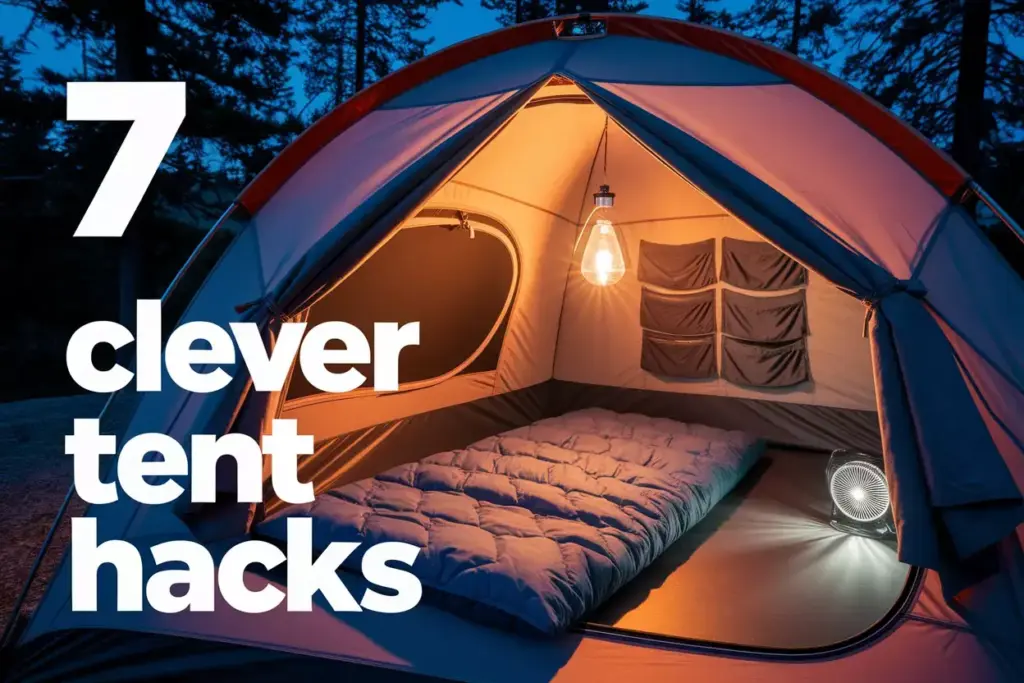
These 7 clever tent hacks for a cozier, drier, and bug-free night’s sleep will transform your camping experience from survival mode to luxury retreat. Whether you’re a weekend warrior or a seasoned backpacker, these practical solutions address the most common tent problems that keep campers tossing and turning all night.
Key Takeaways
- Moisture control is essential for comfort – proper ventilation and moisture barriers prevent condensation buildup
- Strategic gear placement maximizes space while creating a more organized and cozy sleeping environment
- Natural and physical bug barriers work better than chemical repellents alone for lasting protection
- Ground insulation techniques dramatically improve warmth and comfort on any terrain
- Simple modifications to your existing gear can create significant improvements without expensive upgrades
Essential Comfort Hacks: Creating Your Perfect Sleep Environment
1. Master the Art of Moisture Management
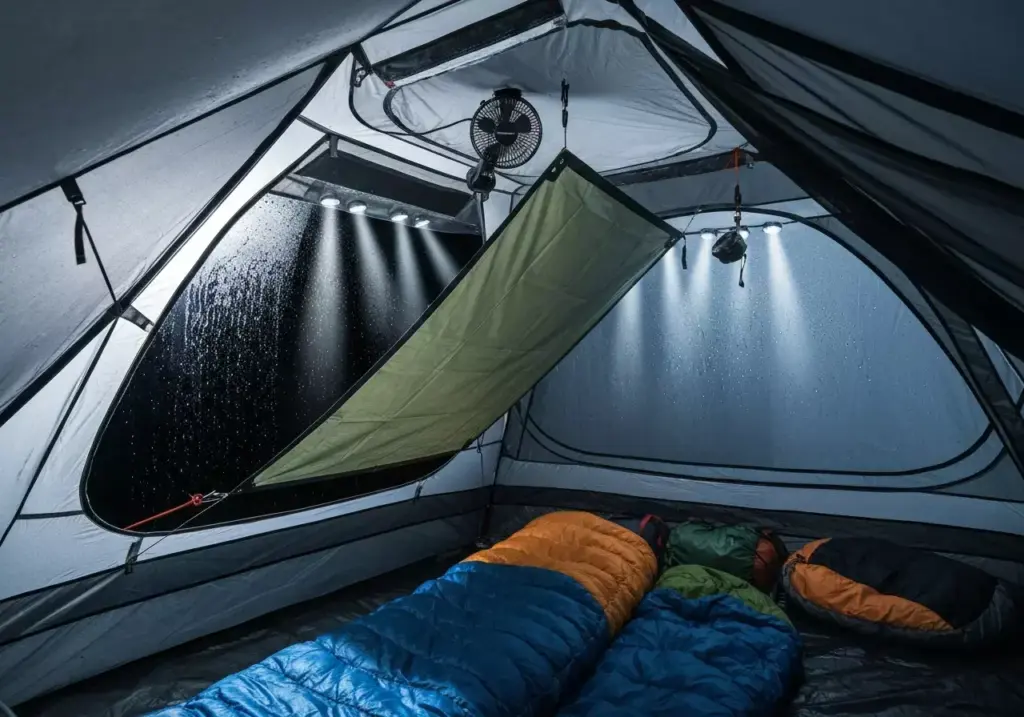
Condensation is the number one enemy of a good night’s sleep in any tent. When warm, humid air from your breathing meets the cool tent walls, water droplets form and can drip onto your sleeping bag, gear, and face throughout the night.
The solution lies in creating proper airflow patterns within your tent. Start by opening vents at both the top and bottom of your tent – even during light rain. This creates a chimney effect that pulls moist air up and out while drawing fresh air in from below.
Pro tip: Place a small, battery-powered fan near the top vent to boost air circulation. Many campers overlook this simple addition, but it can reduce interior humidity by up to 40%.
For extra protection, hang a lightweight tarp or emergency blanket from the tent ceiling, angled to direct any condensation toward the tent walls rather than onto your sleeping area. This creates a secondary barrier that keeps you dry even if some moisture does form.
2. Transform Hard Ground into a Luxury Mattress
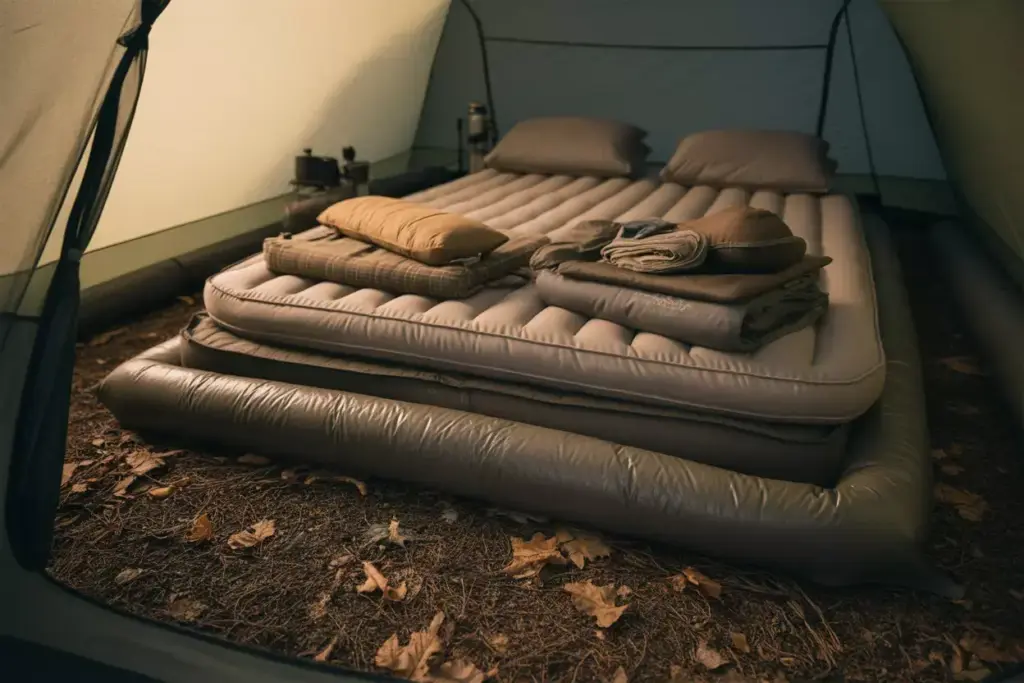
Sleeping directly on a thin sleeping pad often leaves campers feeling every rock, root, and uneven surface beneath them. The secret to comfortable ground sleeping involves creating multiple layers of insulation and cushioning.
Start with a closed-cell foam pad as your base layer – this provides insulation from ground cold and acts as a moisture barrier. On top of this, place your regular sleeping pad, then add a layer of inflatable pillow or extra clothing for additional cushioning.
Advanced technique: Collect dry leaves, pine needles, or grass and stuff them into a garbage bag to create a natural mattress layer. Place this beneath your foam pad for extra cushioning and insulation. This method, used by survival experts, can make even rocky ground feel comfortable.
Create a dedicated sleeping zone by clearing the area of rocks and sticks, then building up low spots with extra clothing or gear to create a level surface. Your spine will thank you in the morning.
3. Build an Effective Bug Barrier System
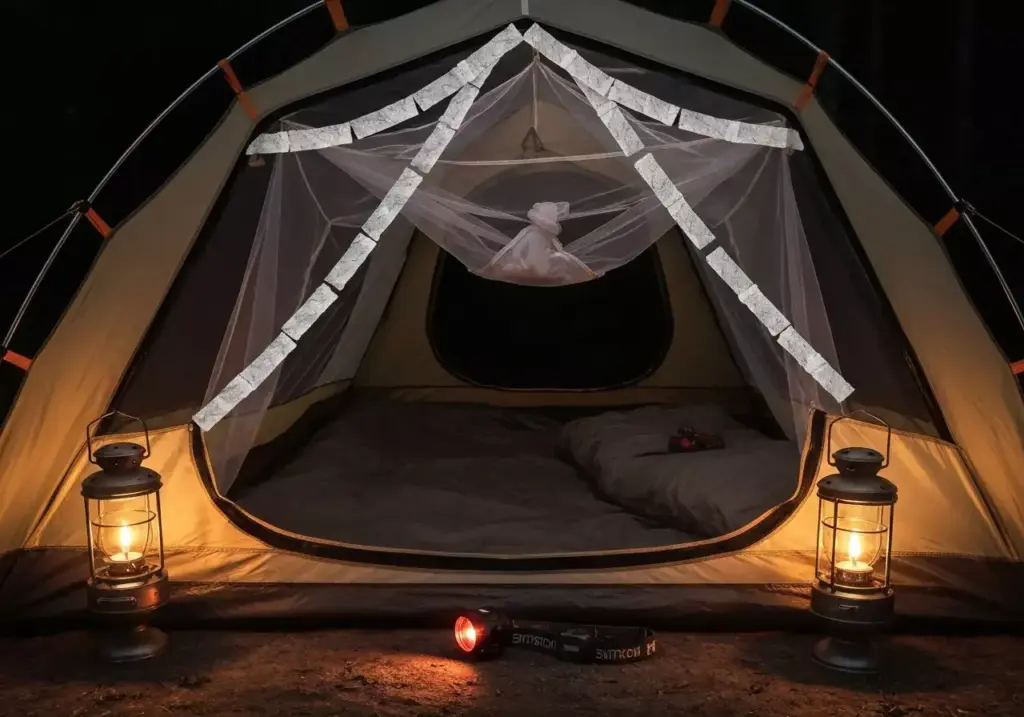
Nothing ruins sleep faster than buzzing mosquitoes and crawling insects. While bug spray helps, creating physical barriers provides longer-lasting protection throughout the night.
Double-layer protection works best: use a tent with built-in mesh, then add a secondary barrier using a lightweight mosquito net hung from the tent ceiling. This creates a bug-free zone around your sleeping area even if a few insects make it past the main tent barriers.
Natural repellent placement amplifies your protection. Place dryer sheets around the tent perimeter – their scent naturally deters many insects. Similarly, citronella candles or tea lights (used safely in lantern holders) create a pleasant ambiance while keeping bugs at bay.
Entry protocol matters just as much as barriers. Designate one person to enter and exit the tent quickly, keeping the door zipped except during these brief moments. Use a headlamp with red light for nighttime bathroom trips, as red light attracts fewer insects than white light.
Advanced Organization and Climate Control Strategies
4. Create Zones for Maximum Space Efficiency
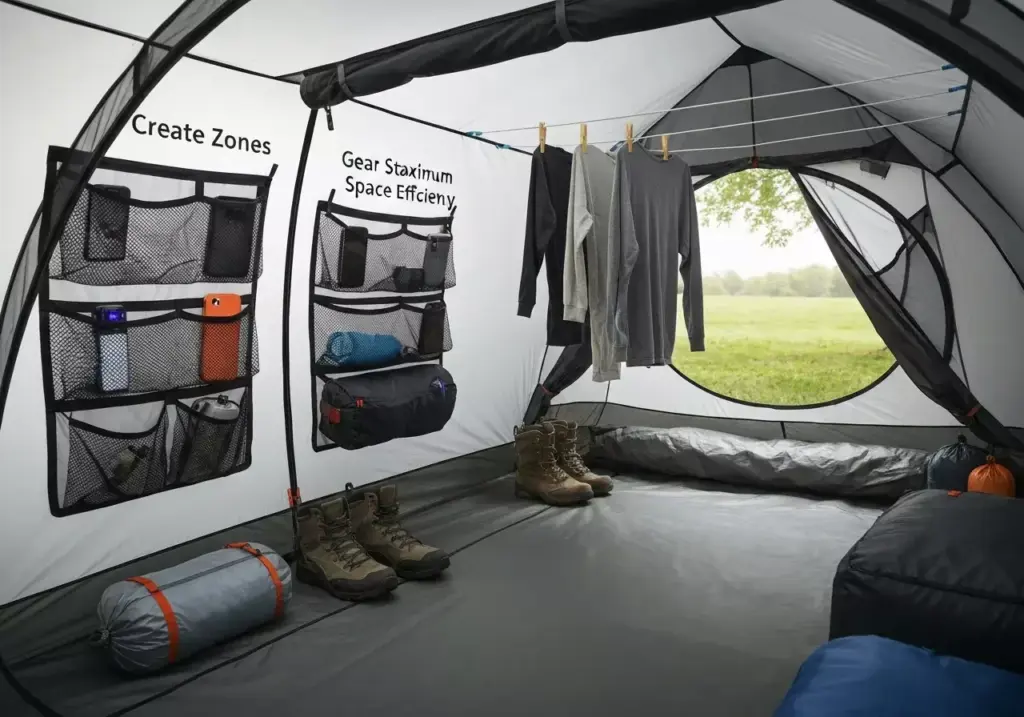
Strategic gear organization can make a small tent feel spacious and comfortable. Divide your tent into specific zones: sleeping area, gear storage, and changing space.
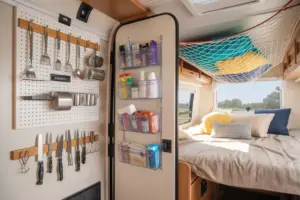
Use mesh organizers or hanging pockets attached to tent walls to store small items like phones, flashlights, and personal items. This keeps essentials within reach while preventing them from rolling around and getting lost.
Vertical storage maximizes floor space. Hang wet clothes from the tent ceiling using lightweight clothesline or carabiners. Store boots and dirty gear in the tent vestibule or designated “dirty zone” to keep your sleeping area clean and fresh.
Compression techniques help bulky items take up less space. Use packing cubes or stuff sacks to organize clothing and gear, then use these organized bundles as makeshift pillows or back support during the day.
5. Regulate Temperature for Optimal Sleep Comfort
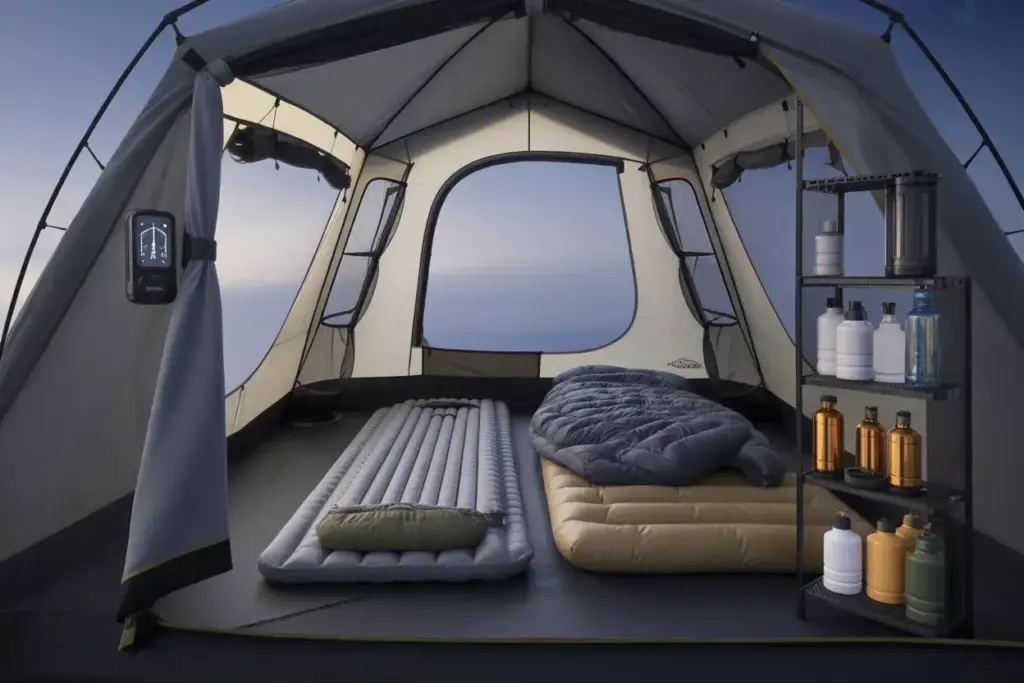
Temperature control in a tent requires balancing warmth retention with ventilation. The goal is maintaining a comfortable sleeping temperature without creating excess humidity.
Layered ventilation gives you precise control. Start with minimal venting during setup, then adjust throughout the evening as temperatures drop. Open upper vents first to release warm air, then adjust lower vents based on outside temperature and wind conditions.
Body heat management prevents overheating that leads to sweating and discomfort. Remove excess layers before getting into your sleeping bag – your body heat will warm the sleeping bag more efficiently than wearing heavy clothes inside it.
Strategic gear placement helps regulate temperature. Place water bottles filled with warm water near your feet for extra warmth, or use frozen water bottles during hot weather to create cooling zones. These simple additions can make the difference between comfortable sleep and a restless night.
6. Soundproof Your Sleep Sanctuary
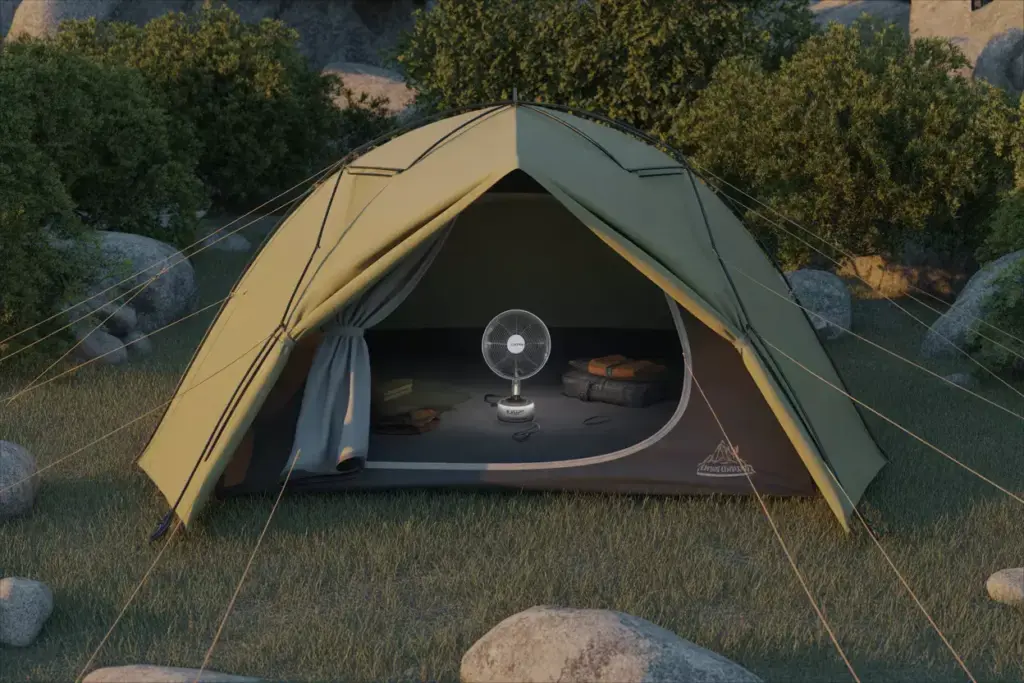
Noise control often gets overlooked but significantly impacts sleep quality. Wind flapping tent fabric, rustling leaves, and other campers can disrupt rest throughout the night.
Tent stabilization reduces noise from fabric movement. Use extra guy lines and stakes to eliminate loose fabric that flaps in the wind. Tighten all connections and add shock cord to guy lines to reduce tension changes as the tent fabric expands and contracts with temperature changes.
Natural sound barriers help mask unavoidable outdoor noises. Position your tent near natural windbreaks like large rocks or dense vegetation. If camping in a group, coordinate tent placement to minimize noise transfer between sites.
White noise creation can mask disruptive sounds. A small battery-powered fan serves double duty by improving air circulation while creating consistent background noise that masks sudden sounds that might wake you.
7. Implement Smart Lighting for Better Sleep Cycles
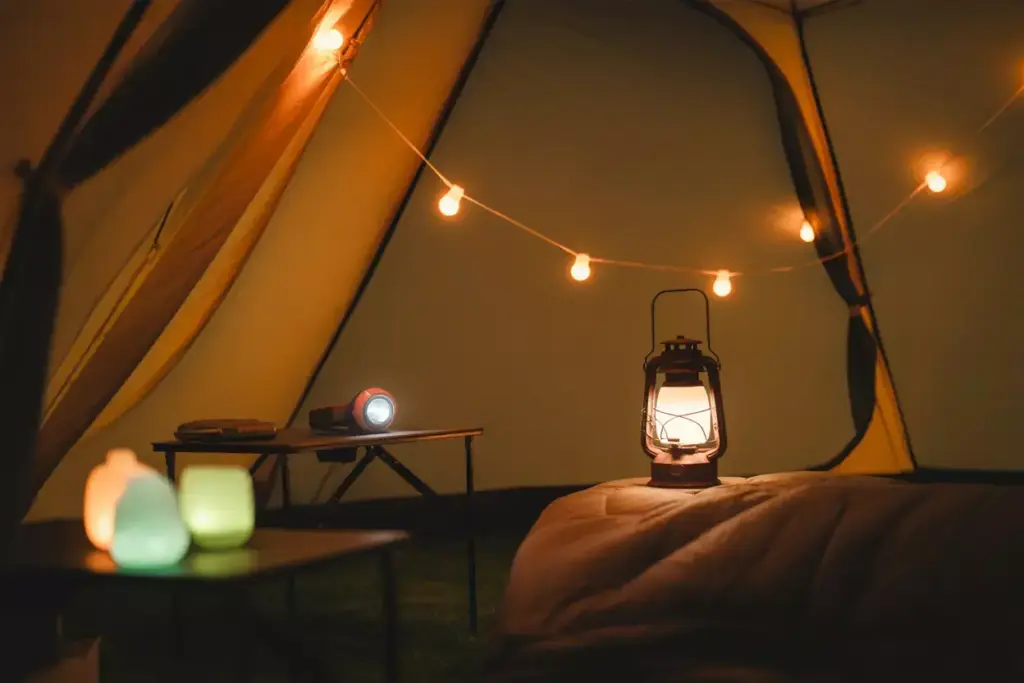
Lighting management helps maintain natural sleep rhythms while providing necessary visibility for camp tasks. The key is using the right type and intensity of light at the right times.
Progressive dimming mimics natural sunset patterns. Start with bright white light for setting up camp and preparing dinner, switch to warm amber light for evening activities, then use red light for final preparations before sleep. Red light preserves night vision and doesn’t disrupt natural melatonin production.
Strategic light placement creates ambiance while serving practical purposes. Use string lights or lanterns with dimmer switches hung from tent ceiling attachment points to create cozy, even lighting throughout the space.
Emergency lighting backup ensures safety without disrupting sleep. Keep a small red headlamp easily accessible for middle-of-the-night needs, and position glow sticks near the tent entrance for emergency visibility that won’t wake tent mates.
Putting These 7 Clever Tent Hacks for a Cozier, Drier, and Bug-Free Night’s Sleep Into Practice
Implementing these tent optimization strategies doesn’t require expensive gear upgrades or extensive camping experience. Start with one or two hacks that address your biggest camping comfort challenges, then gradually incorporate additional techniques as you become more comfortable with each method.
Preparation timeline matters for success. Practice these techniques at home or during day trips before relying on them during important camping adventures. Set up your tent in the backyard and test moisture management, organization systems, and lighting arrangements in a controlled environment.
Seasonal adaptations help you customize these hacks for different camping conditions. Summer camping might emphasize bug control and cooling strategies, while spring and fall trips focus more on moisture management and temperature regulation.
Group camping considerations require coordination when implementing these strategies. Discuss lighting protocols, noise management, and site organization with fellow campers to ensure everyone benefits from improved comfort without conflicts.
Essential Gear for Implementing Your Tent Comfort System
| Hack Category | Essential Items | Budget-Friendly Alternatives |
|---|---|---|
| Moisture Control | Battery fan, emergency blanket | Extra clothing for air gaps |
| Ground Comfort | Closed-cell foam pad, inflatable pillow | Gathered natural materials |
| Bug Protection | Mosquito net, dryer sheets | Citronella tea lights |
| Organization | Mesh organizers, compression sacks | Plastic bags, carabiners |
| Temperature | Shock cord, guy lines | Paracord, extra stakes |
| Lighting | Dimmable lantern, red headlamp | Colored cellophane over flashlight |
Troubleshooting Common Implementation Challenges
Weight concerns for backpackers can be addressed by choosing multi-purpose items. A battery-powered fan doubles as white noise, mesh organizers work as laundry bags, and emergency blankets serve multiple functions beyond condensation management.
Setup complexity decreases with practice. Create a tent setup checklist that includes your comfort hacks, and practice the routine until it becomes automatic. Most of these improvements add less than 10 minutes to total setup time.
Weather adaptation requires flexibility in applying these techniques. Heavy rain might require modified ventilation strategies, while extreme heat calls for enhanced cooling methods. Develop weather-specific protocols for different conditions you’re likely to encounter.
Conclusion
These 7 clever tent hacks for a cozier, drier, and bug-free night’s sleep transform ordinary camping experiences into comfortable outdoor retreats. By addressing the fundamental challenges of moisture, comfort, bugs, organization, temperature, noise, and lighting, campers can enjoy restorative sleep that leaves them energized for the next day’s adventures.
Success with these techniques comes from understanding that small improvements compound into significant comfort gains. You don’t need expensive gear or years of experience – just willingness to implement proven strategies that address common tent problems.
Start implementing these hacks on your next camping trip by choosing 2-3 techniques that address your biggest comfort challenges. Practice the methods at home first, then gradually incorporate additional strategies as you build confidence and experience.
Take action today by reviewing your camping gear and identifying which items you already own that can support these comfort improvements. Create a camping comfort kit with the essential items listed above, and plan your next outdoor adventure with confidence that you’ll sleep comfortably under the stars.
The difference between surviving and thriving in the outdoors often comes down to the quality of your rest. With these proven tent hacks, every camping night can be a comfortable, rejuvenating experience that connects you with nature without sacrificing the comfort you need for truly restorative sleep.