6 Tent Camping Hacks with Toddlers for a Stress-Free Family Adventure
Picture this: the sun is setting behind towering pine trees, your toddler is giggling as they chase fireflies, and for the first time in months, everyone in the family is truly disconnected from screens and connected to nature. Tent camping with toddlers doesn’t have to be a recipe for chaos—with the right preparation and proven strategies, it can become your family’s most treasured tradition. These 6 tent camping hacks with toddlers for a stress-free family adventure will transform what many parents consider a daunting challenge into an enjoyable, memorable experience that strengthens family bonds and creates lasting memories.
Key Takeaways
- Strategic preparation is essential—pack toddler-specific gear and create familiar routines to ease the transition to outdoor living
- Safety-focused campsite setup with designated play areas and childproofing measures ensures peace of mind for parents
- Flexible scheduling around nap times and meal routines helps maintain toddler happiness and family harmony
- Entertainment planning with nature-based activities and backup indoor options keeps little ones engaged throughout the trip
- Comfort optimization through proper sleeping arrangements and familiar items helps toddlers adapt to the camping environment
Essential Pre-Trip Preparation for Successful Toddler Camping
The foundation of any successful camping trip with toddlers begins long before setting foot in the wilderness. Smart preparation can mean the difference between a magical family adventure and a stressful ordeal that sends everyone packing early.
1. Create a Comprehensive Toddler-Specific Packing List
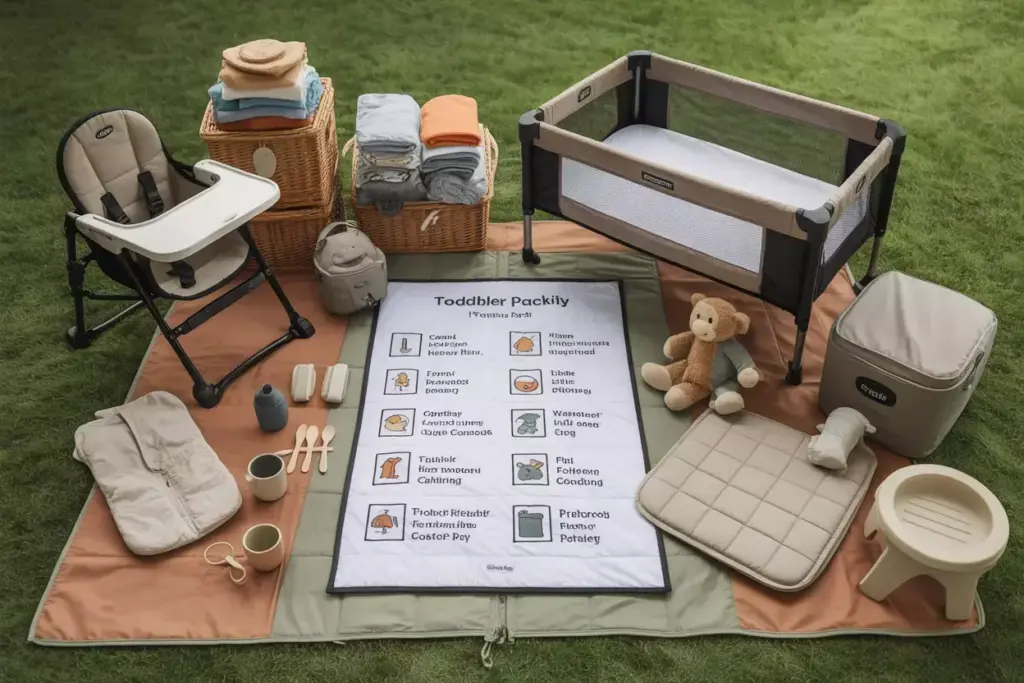
Start planning your tent camping adventure with toddlers by developing a detailed packing checklist that goes beyond standard camping gear. Toddlers require specialized equipment that many first-time family campers overlook.
Essential toddler camping gear includes:
- Portable high chair or booster seat for safe, elevated eating
- Travel crib or pack-and-play for secure sleeping arrangements
- Extra clothing (pack 2-3 times more than you think you’ll need)
- Waterproof changing pad and portable diaper disposal system
- Familiar comfort items like favorite blankets, stuffed animals, or pacifiers
- Toddler-safe camping utensils and spill-proof cups
- Portable potty or potty seat for toilet-training toddlers
“The key to stress-free camping with toddlers is bringing enough familiar items to create a sense of home in the wilderness, while still allowing them to experience the magic of nature.” – Family Camping Expert Sarah Mitchell
Pro tip: Create a visual packing checklist with pictures that older toddlers can help check off. This involvement builds excitement and ensures nothing important gets forgotten.
2. Practice Camping Skills at Home
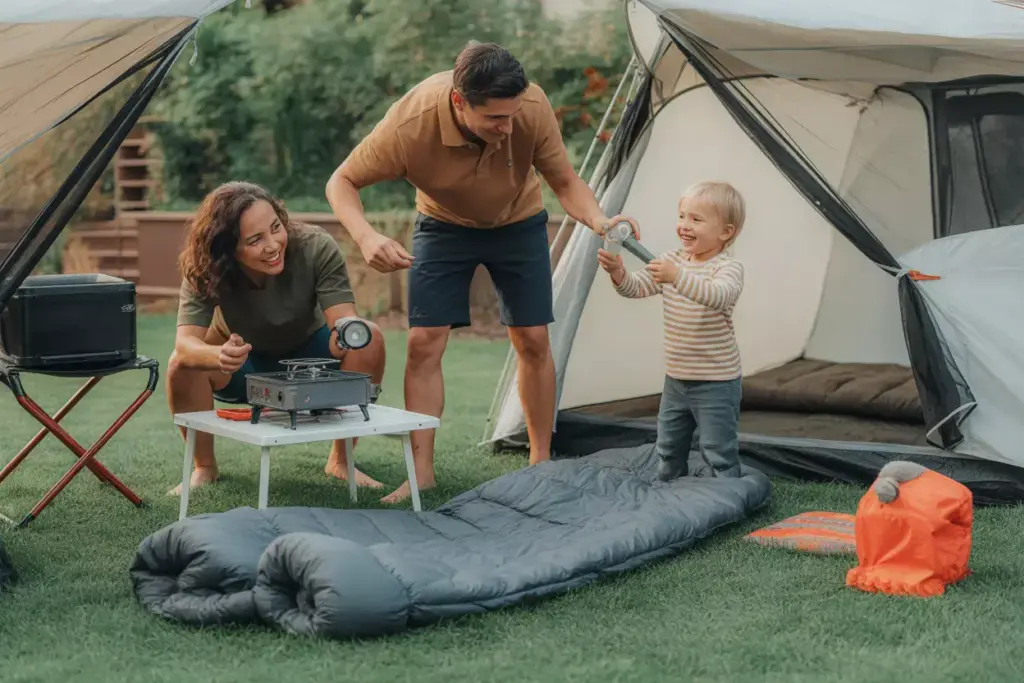
Before embarking on your stress-free family adventure, conduct practice runs in your backyard or living room. Set up the tent, practice sleeping in sleeping bags, and eat meals using camping gear. This familiarization process helps toddlers adjust to new sleeping arrangements and reduces anxiety about unfamiliar environments.
Home practice activities:
- Tent setup sessions where toddlers can “help” and explore
- Sleeping bag trials to ensure comfort and proper sizing
- Camping meal prep using portable stoves and camping cookware
- Outdoor bathroom practice if using campground facilities
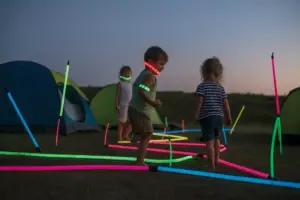
- Flashlight games to make nighttime less scary
Campsite Setup and Safety Strategies
Once you arrive at your destination, the way you organize your campsite can dramatically impact your family’s comfort and safety throughout the trip.
3. Design a Toddler-Friendly Campsite Layout
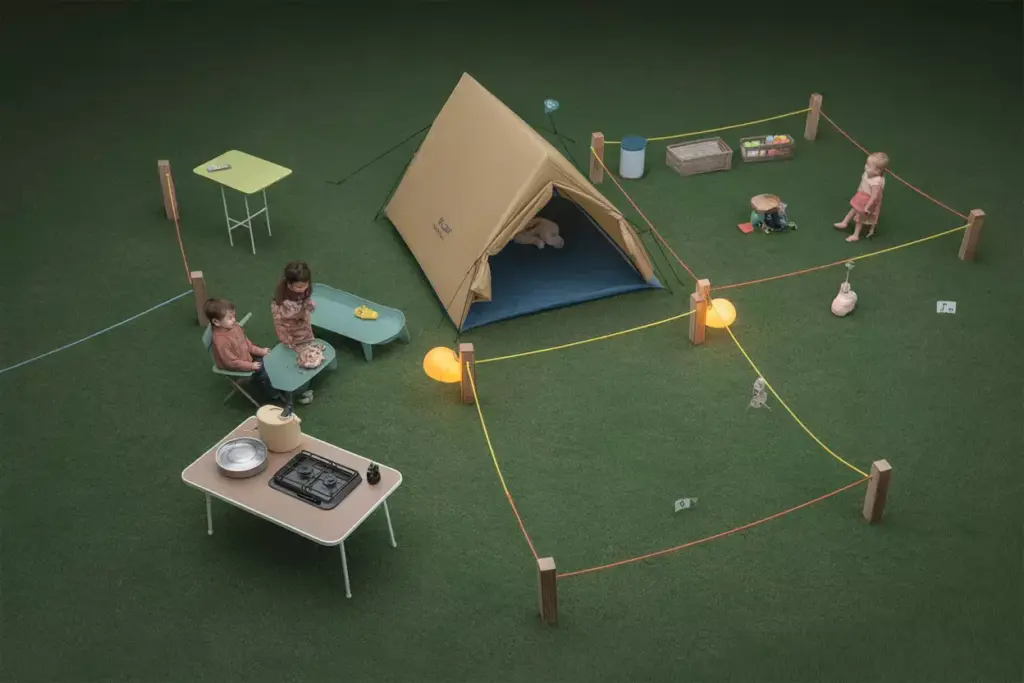
Strategic campsite organization is one of the most crucial tent camping hacks with toddlers for a stress-free family adventure. Create distinct zones that serve different purposes while maintaining clear sight lines to supervise active toddlers.
Optimal campsite zones include:
| Zone | Purpose | Key Features |
|---|---|---|
| Sleeping Area | Rest and quiet time | Tent positioned away from high-traffic areas |
| Cooking Zone | Meal preparation | Elevated surfaces, secured cooking equipment |
| Play Space | Safe exploration | Cleared of hazards, defined boundaries |
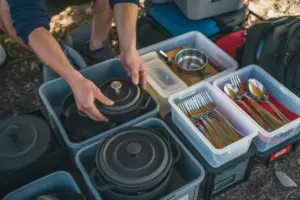
| Storage Area | Gear organization | Weatherproof containers, easy access |
Safety considerations for toddler camping:
- Establish clear boundaries using natural landmarks or colorful rope
- Remove or mark trip hazards like tent stakes and guy-lines
- Position the tent on level ground away from fire pits and water sources
- Create a designated diaper changing station with proper disposal methods
- Set up a handwashing station with biodegradable soap and clean water
4. Implement Toddler-Proofing Measures
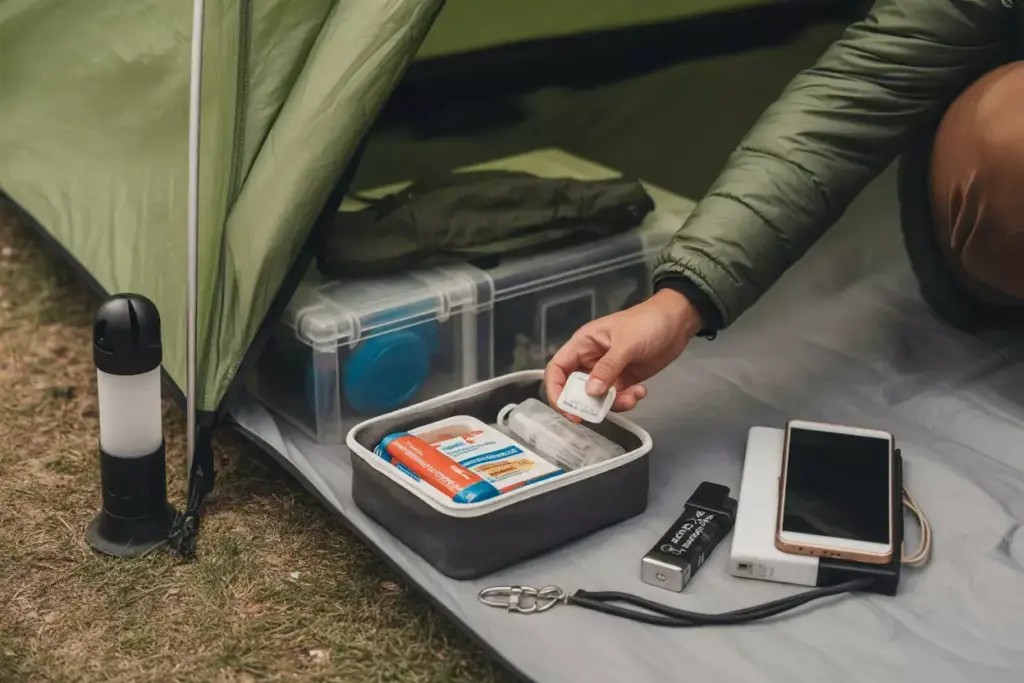
Outdoor childproofing requires different strategies than indoor safety measures. Focus on the unique hazards present in camping environments while maintaining the sense of adventure that makes camping special.
Essential safety measures:
- Secure all camping gear that could be dangerous if accessed by curious toddlers
- Install battery-powered night lights around the tent and pathways
- Pack a comprehensive first aid kit with toddler-specific medications
- Bring extra batteries for flashlights and safety devices
- Establish buddy system rules where toddlers always stay with an adult
- Practice “stop and freeze” commands for emergency situations
Emergency preparedness checklist:
- 📱 Charged communication devices with backup power sources
- 🏥 Emergency contact information including nearest hospital
- 🧭 GPS coordinates of your campsite location
- 🚨 Whistle or noise maker for each family member
- 💊 Medications and allergy treatments in waterproof containers
Comfort and Sleep Optimization
Quality sleep is essential for maintaining happy toddlers during camping trips. Poor sleep can quickly derail even the best-planned adventures, making comfort optimization a critical component of successful family camping.
5. Master the Art of Outdoor Sleep Success
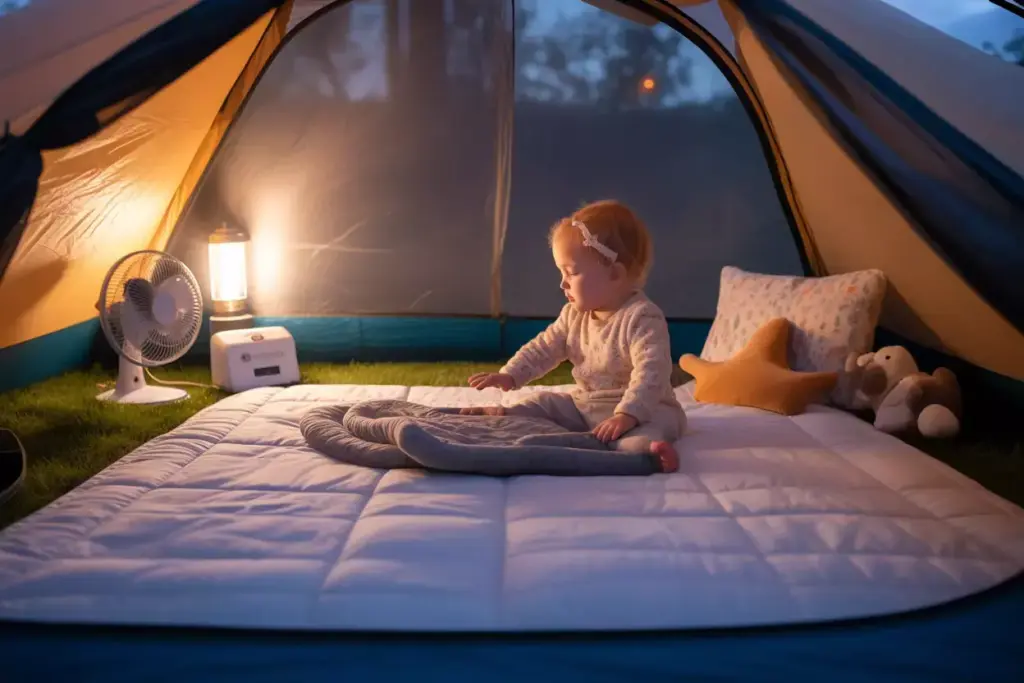
Creating a comfortable sleeping environment for toddlers in a tent requires thoughtful planning and the right equipment. The goal is to replicate familiar sleep conditions while adapting to outdoor constraints.
Sleep optimization strategies:
Temperature regulation:
- Layer bedding systems with sleeping bags, blankets, and sheets
- Pack appropriate sleepwear for varying nighttime temperatures
- Use battery-powered fans or heating devices when necessary
- Position the tent to minimize early morning sun exposure
Comfort enhancements:
- Invest in quality sleeping pads designed for family camping
- Bring familiar pillows or inflatable alternatives
- Create cozy sleep nooks using blankets and stuffed animals
- Maintain consistent bedtime routines adapted for camping conditions
Sound management:
- Pack white noise machines or nature sound apps
- Choose campsites away from high-traffic areas when possible
- Use earplugs for sensitive sleepers (age-appropriate options)
- Prepare for wildlife sounds with reassuring explanations
“Successful toddler camping isn’t about roughing it—it’s about creating outdoor comfort that allows families to enjoy nature together without sacrificing everyone’s well-being.”
6. Develop Flexible Daily Routines
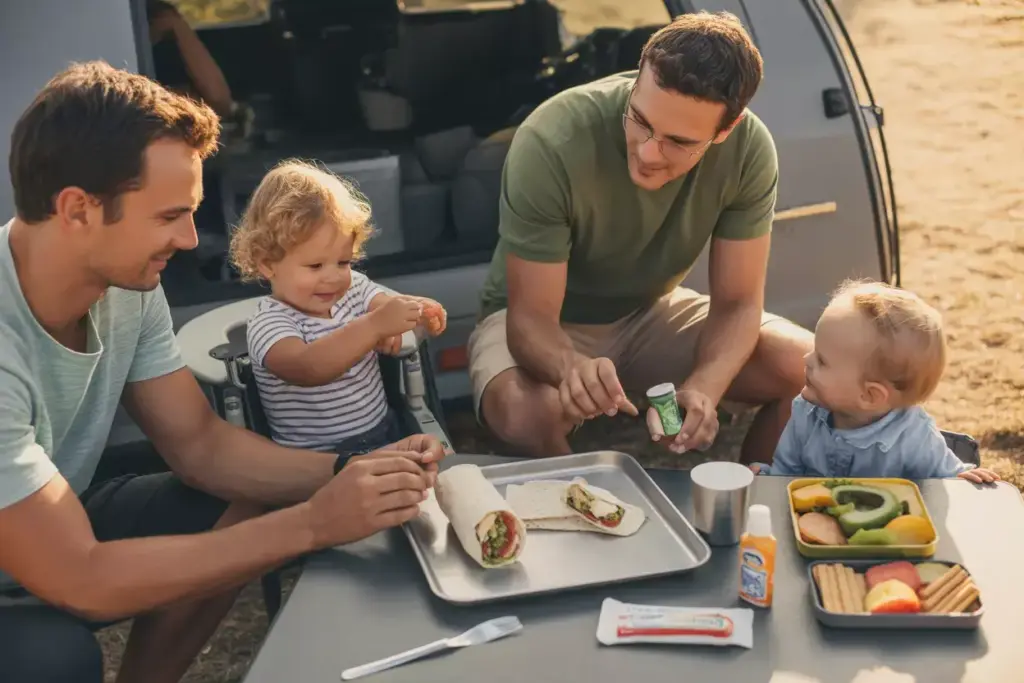
Maintaining structure while embracing camping flexibility is one of the most valuable tent camping hacks with toddlers for a stress-free family adventure. Toddlers thrive on routine, but camping requires adaptability.
Routine adaptation strategies:
Meal planning:
- Prepare familiar foods with camping-friendly preparation methods
- Pack healthy snacks that don’t require refrigeration
- Maintain regular meal times even when activities vary
- Include toddlers in food preparation with age-appropriate tasks
- Plan for picky eaters with backup meal options
Activity scheduling:
- Build in extra time for everything—toddlers move at their own pace
- Plan activities around nap times and energy levels
- Have backup indoor activities for weather changes
- Include rest periods between high-energy adventures
- Be prepared to modify plans based on toddler moods and needs
Hygiene routines:
- Simplify bathing with portable wash stations and baby wipes
- Maintain tooth brushing with travel-sized supplies
- Pack extra clothing changes for inevitable messes
- Use biodegradable products to protect the environment
- Establish hand-washing habits before meals and after bathroom visits
Entertainment and Activity Planning
Keeping toddlers engaged and happy during camping trips requires a mix of nature-based activities and backup entertainment options for various weather conditions and energy levels.
Nature-Based Learning Activities
Educational outdoor activities can transform simple camping moments into valuable learning experiences that capture toddler attention and curiosity.
Engaging nature activities:
🌿 Nature scavenger hunts with picture cards for non-readers
🪨 Rock painting with washable, eco-friendly paints
🦋 Bug observation with magnifying glasses and identification guides
🌸 Flower pressing for take-home nature crafts
🏃♀️ Nature obstacle courses using logs, rocks, and natural features
📚 Outdoor storytelling with nature-themed books
Rainy day backup activities:
- Tent games like shadow puppets and finger plays
- Travel-sized puzzles and quiet toys
- Coloring books with camping and nature themes
- Audio stories or music for quiet time
- Simple crafts using collected natural materials
Building Independence and Confidence
Camping experiences provide unique opportunities for toddlers to develop independence and confidence in safe, supervised environments.
Skill-building opportunities:
- Simple camping tasks like organizing their own backpack
- Nature exploration with guided freedom to discover
- Basic outdoor skills like identifying safe vs. unsafe plants
- Responsibility assignments like feeding birds or watering plants
- Problem-solving challenges appropriate for their developmental stage
Meal Planning and Nutrition
Maintaining proper nutrition during camping trips with toddlers requires strategic planning that balances convenience, health, and toddler preferences.
Toddler-Friendly Camping Meals
Simple, nutritious camping meals can satisfy picky eaters while providing the energy needed for outdoor adventures.
Easy camping breakfast ideas:
- Overnight oats prepared in mason jars
- Banana pancakes made with camping-friendly batter
- Yogurt parfaits with granola and dried fruit
- Scrambled eggs with cheese and vegetables
- Whole grain toast with nut butter and jam
Lunch and dinner solutions:
- Wrap sandwiches that travel well and customize easily
- One-pot pasta dishes with hidden vegetables
- Grilled cheese made in camping sandwich makers
- Bean and rice bowls with familiar seasonings
- Camping chili prepared ahead and reheated
Snack strategies:
- Pre-portioned trail mix without choking hazards
- Fresh fruit that doesn’t require refrigeration
- Cheese sticks and crackers for protein
- Homemade granola bars with familiar ingredients
- Vegetable sticks with individual hummus cups
Weather Preparedness and Contingency Planning
Weather adaptability is essential for maintaining positive camping experiences when conditions don’t go according to plan.
Multi-Weather Strategy Development
Comprehensive weather preparation ensures that your stress-free family adventure continues regardless of Mother Nature’s mood.
Weather-specific preparations:
Rainy weather solutions:
- Waterproof gear for every family member
- Covered activity areas using tarps or canopies
- Indoor tent activities to maintain entertainment
- Quick-dry clothing and extra changes
- Waterproof storage for essential items
Hot weather management:
- Shade creation with tarps, umbrellas, or natural cover
- Hydration monitoring with flavored water options
- Cooling strategies like wet bandanas and fans
- Sun protection with hats, sunscreen, and UV clothing
- Heat avoidance by planning activities during cooler hours
Cold weather considerations:
- Layered clothing systems for temperature regulation
- Warm sleeping arrangements with appropriate gear
- Hot beverage preparation for comfort and warmth
- Activity modifications to maintain body heat
- Emergency warming supplies and procedures
Building Lasting Family Memories
The ultimate goal of implementing these 6 tent camping hacks with toddlers for a stress-free family adventure is creating positive experiences that foster a lifelong love of outdoor activities and strengthen family bonds.
Memory-Making Strategies
Intentional memory creation helps ensure that camping trips become treasured family traditions rather than stressful ordeals.
Memory preservation ideas:
- Camping journals with drawings and simple words
- Photo documentation of special moments and achievements
- Nature collections to remember specific locations
- Story creation about camping adventures
- Tradition establishment with special camping rituals
Long-term benefit cultivation:
- Nature appreciation through positive outdoor experiences
- Family bonding away from daily distractions
- Confidence building through new skill development
- Independence fostering in safe, supervised environments
- Adventure mindset development for future challenges
Conclusion
Successfully implementing these 6 tent camping hacks with toddlers for a stress-free family adventure transforms what many parents view as an overwhelming challenge into an opportunity for incredible family bonding and memory creation. The key lies in thorough preparation, flexible expectations, and a focus on comfort and safety that allows everyone to enjoy the natural world together.
Remember that perfect camping trips don’t exist—but perfectly imperfect adventures filled with laughter, learning, and love absolutely do. Start with shorter trips close to home, gradually building confidence and experience for longer adventures. Each camping experience teaches valuable lessons about what works best for your unique family dynamic.
Take action today by choosing a family-friendly campground within driving distance and booking your first toddler camping adventure. Begin gathering the specialized gear mentioned in these hacks, practice camping skills at home, and most importantly, approach the experience with patience, humor, and excitement for the memories you’ll create together.
The great outdoors is waiting for your family—and with these proven strategies, you’re ready to embrace the adventure with confidence and joy. Your stress-free family camping journey begins with a single step outside your comfort zone and into the natural world that’s perfect for exploration, wonder, and unforgettable family moments.